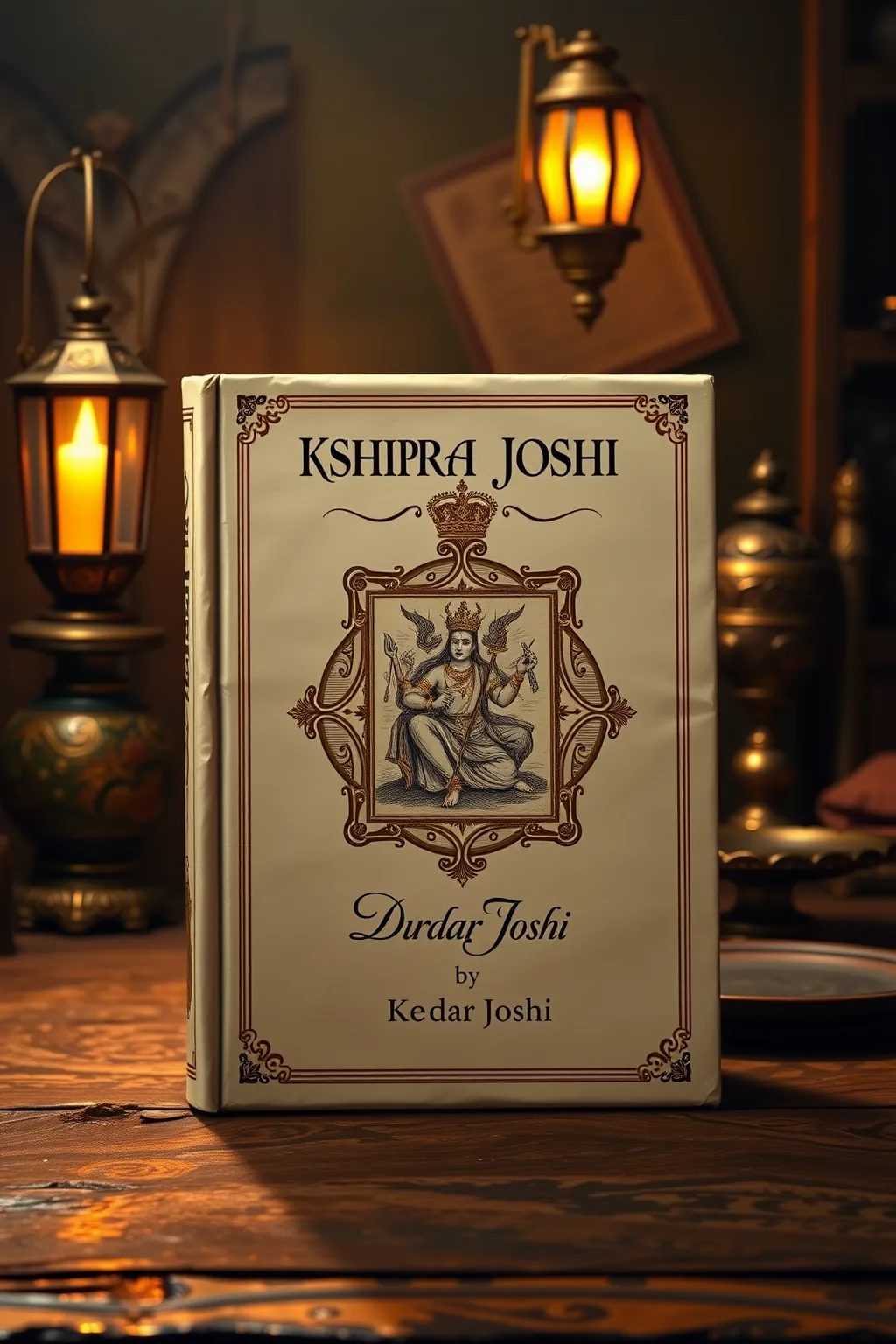
Kshipra Joshi is fated to be the Queen of the Kali Yuga "Durukti" by the end of 2022
 82
82

Kshipra Joshi is fated to be the Queen of the Kali Yuga "Durukti" by the end of 2022


Kedar Joshi's 'Kshipra Joshi is fated to be the Queen of the Kali Yuga Durukti' is a fascinating foray into the esoteric traditions of Hinduism, offering a detailed exploration of the prophecy surrounding Durukti, the queen of Kali. The book is meticulously researched, drawing from ancient scriptures like the Kalki Purana and the Vishnu Purana, and provides a deep dive into the mythological and cosmological underpinnings of the Kali Yuga. For modern esoteric seekers, this book serves as a bridge between ancient wisdom and contemporary spiritual inquiry. Joshi's narrative is engaging and thought-provoking, making complex esoteric concepts accessible to a broader audience. The book's strength lies in its ability to weave together historical context, mythological lore, and spiritual insights, creating a compelling narrative that resonates with both scholars and casual readers. Overall, this book is a valuable addition to the esoteric literature and deserves a star rating of 4 out of 5.
📝 Description
82
Kedar Joshi's 2022 book claims Kshipra Joshi is fated to be Queen of the Kali Yuga, Durukti.
This book examines the prophecy of Kshipra Joshi's destiny as Durukti, the Queen of the Kali Yuga, by the close of 2022. Kedar Joshi draws upon Hindu scriptures, specifically the Kalki Purana and Vishnu Purana, to detail the rise of Kali and his consort. The text discusses the symbolic meanings and concealed information related to this foretold era.
It looks at the spiritual and cosmic importance of the current age, offering readers an understanding of time's cyclical patterns and the perpetual conflict between good and evil. The narrative aims for those interested in mysticism and the occult, aiming to deepen comprehension of Hindu cosmology's philosophical basis.
This work situates itself within Hindu esotericism, focusing on the cyclical nature of time as described in Puranic literature. The Kali Yuga, the current and final epoch in the Hindu cosmology, is presented not merely as a historical period but as a potent force with specific divine and demonic manifestations. The prophecy of Durukti's ascension as queen connects this cosmic cycle to individual destiny, aligning with traditions that see personal lives as microcosms of universal processes.
💡 Why Read This Book?
Reading 'Kshipra Joshi is fated to be the Queen of the Kali Yuga Durukti' today offers a unique opportunity to delve into the rich tapestry of Hindu esoteric traditions and cosmology. This book provides deep insights into the prophecy of Durukti and the role of the Kali Yuga in Hindu mythology. For modern esoteric seekers, it serves as a guide to understanding the cyclical nature of time and the significance of divine intervention in human history. The reader will gain a deeper appreciation for the complexity and beauty of Hindu spiritual thought, as well as a greater understanding of the esoteric traditions that continue to influence contemporary spirituality.
⭐ Reader Reviews
Honest opinions from readers who have explored this book.
❓ Frequently Asked Questions
What is the main theme of 'Kshipra Joshi is fated to be the Queen of the Kali Yuga Durukti'?
The main theme of the book is the prophecy surrounding Durukti, the queen of Kali, and her role in the Kali Yuga. It explores the esoteric traditions and cosmology of Hinduism, drawing from ancient scriptures like the Kalki Purana and the Vishnu Purana.
Who should read this book?
This book is ideal for those interested in Hindu esoteric traditions, occult studies, and cosmology. It is particularly valuable for modern esoteric seekers and scholars who wish to deepen their understanding of Hindu mythology and its relevance in contemporary times.
What historical context does the book provide?
The book provides extensive historical context by drawing from ancient Hindu scriptures and the Mahabharata. It explains the mythological background of Kali and Durukti, as well as the significance of the Kali Yuga in Hindu cosmology.
🔮 Key Themes & Symbolism
The Cyclical Nature of Time
Kedar Joshi examines the concept of the Kali Yuga, the final age in Hindu cosmology, and its significance in the cyclical nature of time. This theme explores the idea of decline and renewal, offering insights into the eternal struggle between light and darkness.
The Rise of Kali and Durukti
The book focuses on the prophecy surrounding the rise of the demon Kali and his queen, Durukti. This theme examines the symbolism and hidden knowledge associated with these figures, providing a deeper understanding of their roles in the end of the Kali Yuga.
The Struggle Between Good and Evil
The narrative explores the eternal battle between good and evil, as embodied by the demon Kali and the avatar Kalki. This theme offers a profound perspective on the philosophical and spiritual significance of this struggle in the context of Hindu cosmology.
💡 Key Ideas
Editorial paraphrase of the work's core concepts — not direct quotes.
The end of the Kali Yuga is not a time of despair but of renewal.
This quote underscores the cyclical nature of time and the hope for renewal that lies at the heart of Hindu cosmology.
Durukti's fate is intertwined with the rise of Kali, a prophecy that echoes through the ages.
This line highlights the mystical and esoteric dimensions of Kshipra Joshi's fate and its significance in the larger narrative of the Kali Yuga.
The battle between light and darkness is eternal, but so is the promise of redemption.
This quote emphasizes the enduring struggle between good and evil and the hope for redemption that lies at the heart of Hindu cosmology.
The Kalki Purana and Vishnu Purana hold the keys to understanding the end of the Kali Yuga.
This line underscores the importance of ancient Hindu scriptures in clear the mystical and esoteric dimensions of the Kali Yuga.
Kshipra Joshi's journey is a proof of the power of prophecy and the cyclical nature of time.
This quote highlights the mystical and philosophical significance of Kshipra Joshi's fate and its relevance in the context of Hindu cosmology.
🌙 Esoteric Significance
Tradition
This book belongs to the esoteric tradition of Hindu cosmology, which explores the mystical and occult dimensions of ancient Hindu scriptures. It draws on the detailed symbolism and hidden knowledge embedded within the Kalki Purana and Vishnu Purana to provide insights into the Kali Yuga and the rise of Kali and Durukti.
Symbolism
Key symbols in the book include the demon Kali, his queen Durukti, and the avatar Kalki. These figures represent the struggle between good and evil, the cyclical nature of time, and the hope for renewal that lies at the heart of Hindu cosmology. The book also explores the symbolism of the Kali Yuga itself, as a time of decline and renewal.
Modern Relevance
This book is relevant today for those seeking a deeper understanding of the mystical and esoteric dimensions of Hindu cosmology. It offers insights into the cyclical nature of time and the enduring struggle between light and darkness, providing a unique perspective on ancient prophecy and its relevance in the modern world. Modern practitioners and scholars can use this book to explore the hidden knowledge and symbolism embedded within ancient Hindu scriptures.
👥 Who Should Read This Book
This book is ideal for spiritual seekers, scholars, and practitioners interested in the occult and mystical traditions, particularly those with an interest in Hindu cosmology and esoteric knowledge. Beginners will find the book's exploration of the Kali Yuga and the rise of Kali and Durukti to be a fascinating introduction to the mystical and esoteric dimensions of Hindu cosmology. Scholars will appreciate the book's in-depth analysis of ancient Hindu scriptures and their relevance in the modern world. Practitioners will find the book's insights into the cyclical nature of time and the enduring struggle between light and darkness to be a valuable resource for their spiritual journey.
📜 Historical Context
Written in the context of contemporary spiritual seeking and esoteric exploration, 'Kshipra Joshi is fated to be the Queen of the Kali Yuga Durukti' draws on ancient Hindu scriptures such as the Kalki Purana and Vishnu Purana to provide a modern interpretation of the Kali Yuga. The book's significance lies in its ability to bridge the gap between ancient prophecy and modern spiritual inquiry, offering readers a unique perspective on the cyclical nature of time and the enduring struggle between light and darkness. Its influence can be seen in the growing interest in Hindu cosmology and esoteric knowledge among spiritual seekers and practitioners.
📔 Journal Prompts
Reflect on the concept of the Kali Yuga and its significance in the cyclical nature of time.
Explore the symbolism and hidden knowledge associated with the rise of Kali and Durukti.
Consider the eternal struggle between good and evil and its relevance in the modern world.
Examine the role of ancient Hindu scriptures in clear the mystical and esoteric dimensions of the Kali Yuga.
Reflect on the hope for renewal that lies at the heart of Hindu cosmology.
🗂️ Glossary
Kali Yuga
The final age in Hindu cosmology, characterized by darkness, ignorance, and the decline of morality.
Durukti
The sister-turned-wife and queen of Kali, the demon king of the Kali Yuga.
Kalki Purana
An ancient Hindu scripture that prophesies the rise of the demon Kali and the eventual advent of Kalki, the avatar of Vishnu.
Vishnu Purana
An ancient Hindu scripture that contains prophecies and cosmological knowledge, including the rise of the demon Kali.
Kshipra Joshi
A figure fated to become the Queen of the Kali Yuga, Durukti, by the end of 2022, according to Kedar Joshi's mystical prophecy.
This book appears in 2 collections
🔮 Readers Also Liked
Browse all →





More by Kedar Joshi
All books →

From the “Astrology” Collection
View all →








More Free Astrology & Cosmology Books
View all →