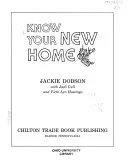
Know Your New Home
 80
80

Know Your New Home
Know Your New Home offers a unique perspective on settling into unfamiliar territory, moving beyond mere practicalities to address the energetic and psychological dimensions of a new dwelling. The authors tackle the concept of a 'home' as more than just physical structure, positing it as an energetic entity. A notable strength lies in its practical suggestions for 'energetic clearing,' which provides actionable steps for readers feeling unsettled. However, the book's original 1989 publication date means some of its language and conceptual framing can feel dated, particularly its approach to community dynamics. The section on 'establishing boundaries' is particularly relevant, offering a concrete method for personal energetic sovereignty in shared spaces. While it may not offer the most cutting-edge esoteric theory, its directness in addressing the felt experience of being 'new' makes it a valuable, if somewhat niche, resource.
📝 Description
80
Published in 1989, Know Your New Home guides individuals into new environments, particularly spiritual communities.
Know Your New Home, written by Jackie Dodson, Judi Cull, and Vicki Lyn Hastings, acts as a practical manual for people transitioning into unfamiliar living situations. It addresses the psychological and energetic elements of relocation, aiming to simplify the adjustment process. The book offers advice on understanding and integrating into new surroundings, whether that is a spiritual community, a new relationship, or simply a different city.
Its principles extend to anyone facing a significant change in their dwelling or social environment. The authors provide conceptual tools for perceiving and connecting with a new locale. This includes guidance on sensing subtle energies and social dynamics within a home, helping readers feel more grounded and at ease.
Know Your New Home appeared in 1989, a time when New Age philosophies and alternative living arrangements were gaining traction. Influenced by movements like Theosophy and earlier communal living experiments, the book reflects a late 20th-century interest in applying spiritual concepts to daily life. It connects with traditions that explore the energetic qualities of physical spaces and the importance of conscious habitation.
💡 Why Read This Book?
• Gain practical methods for 'energetic clearing' of a new dwelling, a technique to harmonize your space that you won't find in standard home guides. • Learn to interpret the subtle 'spirit of a place' as described in the book, enabling a deeper, intuitive connection to your environment beyond its physical attributes. • Discover specific rituals for consecrating a new home, offering a tangible way to establish belonging and personal energetic sovereignty as outlined in the 1989 text.
⭐ Reader Reviews
Honest opinions from readers who have explored this book.
❓ Frequently Asked Questions
What kind of 'new home' is this book designed for?
Know Your New Home is primarily intended for individuals moving into any new dwelling, but it particularly addresses those entering spiritual communities or seeking to deeply connect with their living space on an energetic level.
Are the authors Jackie Dodson, Judi Cull, and Vicki Lyn Hastings known for other esoteric works?
While the specific esoteric contributions of Dodson, Cull, and Hastings are less widely documented than some other authors from the 1989 era, this book stands as their notable collaborative effort in applying spiritual principles to domestic life.
What does the book mean by 'energetic clearing'?
'Energetic clearing' refers to practices aimed at removing residual energies from a space before or during occupancy. The book suggests methods like specific visualizations and symbolic actions to purify the atmosphere of a new home.
Can this book help someone who feels anxious about moving?
Yes, the book aims to reduce anxiety by providing a framework for understanding and actively engaging with the new environment, offering practical steps to feel more grounded and connected, rather than simply overwhelmed.
Is 'Know Your New Home' considered a New Age text?
Given its 1989 publication date and its focus on spiritual principles applied to everyday living, including energetic concepts and community integration, it aligns with the broader characteristics of New Age literature from that period.
What is the 'spirit of a place' according to the book?
The 'spirit of a place' is interpreted as the unique energetic signature or essence of a location. The book encourages readers to perceive and interact with this essence to foster a harmonious relationship with their home.
🔮 Key Themes & Symbolism
Energetic Home Harmonization
The work posits that a dwelling possesses an energetic signature that can be influenced. It provides techniques for readers to actively engage in 'energetic clearing' of a new space, moving beyond mere physical cleaning. This involves rituals and focused intention to remove residual energies and establish a positive, personal energetic field within the home. The goal is to create an environment conducive to well-being and spiritual alignment, making the house feel truly like one's own sanctuary.
The 'Spirit of Place'
A central concept explored is the 'spirit of a place,' which refers to the unique essence or 'personality' of a location. The authors encourage readers to develop sensitivity to this spirit, viewing their home not just as inert matter but as an energetic entity. Understanding and respecting this inherent energy is presented as key to fostering a harmonious relationship with one's surroundings and feeling truly settled.
Ritual and Belonging
The book emphasizes the role of ritual in creating a sense of belonging and integration within a new home or community. It suggests various symbolic actions and ceremonies that individuals can perform to consecrate their space and mark their presence. These practices are designed to help transition from being an outsider to becoming an integral part of the environment, fostering a deep connection and sense of ownership.
Personal Energetic Sovereignty
A significant theme is the establishment of personal energetic boundaries within a new dwelling, especially relevant for those moving into shared living situations or communities. The text guides readers on how to maintain their individual energetic integrity while interacting with the energies of the home and its inhabitants. This focus on personal sovereignty is crucial for maintaining well-being and a sense of self amidst new surroundings.
💬 Memorable Quotes
Direct passages from the work, attributed to the author.
“The energy of a place is alive.”
— This statement suggests that locations possess a dynamic, non-static energetic quality. It implies that a home's atmosphere is not fixed but can be influenced by its history, occupants, and deliberate energetic work.
“Clearing is not just about cleaning dust; it's about energetic residue.”
— This highlights a core tenet of the book: that physical spaces retain energetic imprints. It distinguishes superficial cleaning from the deeper work of spiritual purification needed to truly prepare a new environment.
“Your intention sets the tone for your new home.”
— This emphasizes the power of conscious thought and will in shaping the energetic environment of a dwelling. It suggests that a reader's personal focus and desire for harmony are active forces in creating a welcoming space.
“Recognize the spirit of the land and house.”
— This encourages an intuitive and respectful approach to one's dwelling, viewing it as more than just construction. It prompts the reader to perceive and acknowledge the unique essence or energetic signature of their specific location.
“Establish your energetic boundaries from day one.”
— This is a practical directive for maintaining personal energetic integrity in a new setting. It advises proactive measures to safeguard one's own energetic field against being overwhelmed or diluted by the new environment.
🌙 Esoteric Significance
Tradition
This work fits within the broader spectrum of New Age spirituality and practical occultism, drawing implicitly from traditions that emphasize the energetic nature of reality and the power of intention. While not strictly aligned with a single lineage like Hermeticism or Kabbalah, it carries the idea of 'as above, so below' by applying cosmic principles to the terrestrial field of home and hearth. It represents a democratization of esoteric concepts, making them accessible for everyday domestic integration.
Symbolism
Key symbols include the act of 'clearing' itself, representing purification and renewal, akin to ritualistic cleansing in many traditions. The concept of 'boundaries' functions symbolically as a protective energetic shield, safeguarding the individual's spiritual integrity. The 'spirit of place' can be seen as a localized genius loci, an indigenous spirit or essence tied to a specific location, inviting reverence and harmonious co-existence.
Modern Relevance
Contemporary practices in conscious living, minimalist design, and energy healing for homes (like Feng Shui or space clearing) owe a debt to the groundwork laid by books like this. Modern spiritual practitioners and those interested in creating sacred spaces often draw upon these principles of energetic awareness and intentional living. Thinkers exploring the psycho-geography and emotional impact of environments will find its foundational concepts still relevant.
👥 Who Should Read This Book
• Individuals moving into a new residence, particularly those feeling unsettled or disconnected from their surroundings, seeking practical methods to feel at home. • Practitioners of New Age spirituality or those interested in energetic cleansing and space harmonization who want actionable techniques for their living environment. • Members of intentional communities or communes looking for guidance on establishing energetic harmony and personal boundaries within shared living spaces.
📜 Historical Context
Published in 1989, Know Your New Home emerged during a vibrant period for New Age thought and practice. The preceding decades had seen a resurgence of interest in spiritualism, Eastern philosophies, and alternative lifestyles, influencing how individuals approached personal transformation and domesticity. Books like this reflected a desire to integrate esoteric principles into tangible, everyday experiences, moving beyond abstract theory to practical application. This era saw thinkers like Shirley MacLaine popularizing spiritual concepts, and communities exploring communal living and self-sufficiency. While not directly engaging with academic circles, the book taps into a broader cultural current that sought meaning beyond materialism. It offered guidance that stood apart from more traditional self-help or domestic advice, catering to a growing audience interested in the energetic and spiritual dimensions of their lives, a perspective that contrasted with the more rationalist approaches prevalent in mainstream culture.
📔 Journal Prompts
Reflect on the energetic residue you perceive in your current living space.
What specific rituals could consecrate your new home?
Describe the 'spirit of this place' as you currently understand it.
How can you establish stronger personal energetic boundaries here?
Map the energetic flow of your dwelling.
🗂️ Glossary
Energetic Clearing
Practices designed to purify a space of residual energies, often through intention, visualization, sound, or symbolic actions, to create a harmonious atmosphere.
Spirit of a Place
The unique energetic signature or essence of a specific location, considered to be alive and responsive to inhabitants' intentions and actions.
Energetic Boundaries
Personal energetic fields that protect an individual's auric integrity and emotional well-being, particularly important when interacting with new environments or people.
Consecration
The act of dedicating or setting apart a space for a sacred purpose, often involving rituals to imbue it with positive spiritual energy.
Residue
Energetic imprints left behind by previous occupants or events, which can influence the atmosphere of a dwelling if not addressed.
Grounding
The process of connecting one's energy to the Earth, fostering stability, presence, and a sense of rootedness in a physical space.
Intentional Living
A lifestyle focused on making conscious choices aligned with one's values and spiritual goals, applied here to the creation of a harmonious home.
This book appears in 1 collection
🔮 Readers Also Liked
Browse all →








From the “Shadow Work” Collection
View all →



More Free Occult Philosophy Books
View all →