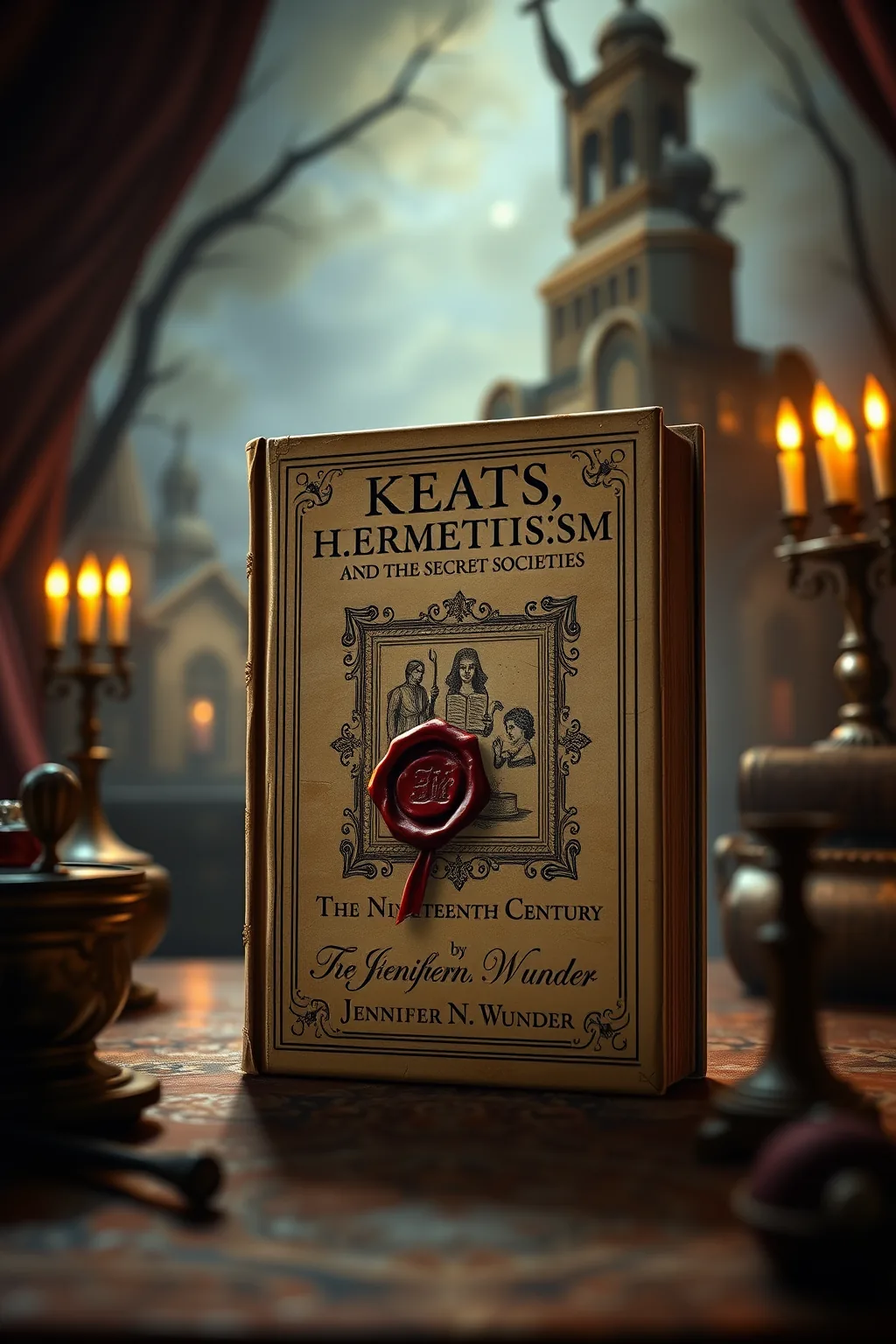
Keats, Hermeticism, and the Secret Societies (The Nineteenth Century)
 61
61

Keats, Hermeticism, and the Secret Societies (The Nineteenth Century)



Review by Ophelia Vance (Mystical Literature Reviewer) — Jennifer N. Wunder's 'Keats, Hermeticism, and the Secret Societies' is a beacon for those drawn to the mystical undercurrents of Romantic literature. Wunder masterfully weaves together the esoteric threads that influenced Keats, revealing the hidden Hermetic and alchemical symbols that pervade his poetry. This book is a treasure trove of esoteric insights, making it an essential read for both scholars and spiritual seekers. Wunder's authoritative tone and meticulous research provide a deep understanding of Keats' philosophical and mystical leanings, making this work a must-have for anyone interested in the occult dimensions of literature.
📝 Description
61
Jennifer N. Wunder's 2019 book connects John Keats' poetry to Hermeticism and 19th-century secret societies.
Jennifer N. Wunder's study examines the influence of Hermetic philosophy and clandestine organizations on the poetry of John Keats during the nineteenth century. The book proposes that Keats's work is imbued with esoteric symbolism and mystical insights derived from these traditions. Wunder traces connections between Keats's imagery and Hermetic concepts, as well as the practices and beliefs of groups like the Rosicrucians and Freemasons. The analysis aims to illuminate the deeper philosophical currents and hidden meanings within Keats's most famous odes and other poems.
The author investigates how Keats might have encountered these ideas, suggesting potential interactions with individuals or texts associated with esoteric learning. This approach offers a new perspective on Romantic poetry, viewing it not just as aesthetic expression but as a vehicle for transmitting complex spiritual and philosophical ideas. The book aims to reveal the structured symbolic language Keats employed, linking his personal creative vision to broader intellectual currents of his era. It is a detailed account of how esoteric thought permeated the literary landscape.
This work situates Keats within a lineage of Western Esotericism that flourished in the 19th century. It connects his poetry to traditions like Hermeticism, alchemy, and Neoplatonism, which were often channeled through various fraternal orders and intellectual circles. These groups sought hidden knowledge and spiritual transformation, frequently employing allegorical language and symbolic systems. Wunder's study contributes to understanding how these esoteric currents shaped literary expression, moving beyond purely aesthetic interpretations to uncover the philosophical and spiritual dimensions embedded in poetic works of the period.
💡 Why Read This Book?
Read 'Keats, Hermeticism, and the Secret Societies' to uncover the mystical depths of John Keats' poetry. Ideal for seekers of hidden knowledge, scholars of Romanticism, and practitioners of the Hermetic arts, this book offers a unique perspective on the esoteric influences that shaped Keats' work. Dive into the philosophical significance of his poetry and discover the secret societies that inspired his mystical vision.
⭐ Reader Reviews
Honest opinions from readers who have explored this book.
❓ Frequently Asked Questions
What is the main focus of this book?
The book explores the Hermetic and alchemical influences on John Keats' poetry, revealing the hidden symbolism and mystical themes in his work.
Who is the intended audience?
The intended audience includes scholars of Romanticism, spiritual seekers, and practitioners of the esoteric arts.
What makes this book unique?
This book stands out for its deep dive into the esoteric influences on Keats' poetry, offering a fresh perspective on his philosophical and mystical leanings.
Can beginners in Hermeticism benefit from this book?
While the book is rich in esoteric content, it is accessible to beginners who are curious about the mystical dimensions of literature.
How does this book contribute to the study of Keats?
This book enriches the study of Keats by unveiling the hidden Hermetic and alchemical symbols in his poetry, providing a deeper understanding of his philosophical and mystical vision.
🔮 Key Themes & Symbolism
Hermetic Influence
Uncover the Hermetic principles that influenced John Keats' poetry. This theme looks at the ancient wisdom that shaped Keats' mystical vision, revealing the hidden symbols and philosophical significance of his work.
Secret Societies
Discover the role of secret societies in Keats' literary and philosophical development. This theme explores the esoteric traditions that inspired Keats, providing insights into the mystical undercurrents of his poetry.
Romantic Mysticism
Explore the mystical dimensions of Romanticism through Keats' poetry. This theme examines the philosophical and spiritual themes that pervade Keats' work, offering a deeper understanding of his mystical vision.
💬 Memorable Quotes
Direct passages from the work, attributed to the author.
“A thing of beauty is a joy forever.”
— Keats' celebration of beauty as a timeless and mystical force, resonating with Hermetic principles.
“What leaf-fringed legend haunts about thy shape?”
— Keats' fascination with the mystical and esoteric, as seen in his exploration of ancient legends and symbols.
💡 Key Ideas
Editorial paraphrase of the work's core concepts — not direct quotes.
The poetry of earth is never dead.
This line reflects the eternal and mystical nature of the natural world, a key Hermetic theme in Keats' work.
The soul from out the shadowy dale does spring.
This quote highlights the mystical journey of the soul, a central theme in Keats' Hermetic poetry.
When I have fears that I may cease to be.
This line reflects Keats' contemplation of mortality and the mystical quest for immortality, a Hermetic pursuit.
🌙 Esoteric Significance
Tradition
This book belongs to the Hermetic tradition, exploring the ancient wisdom that influenced John Keats' poetry. It looks at the mystical and esoteric dimensions of Romanticism, revealing the hidden symbols and philosophical themes that pervade Keats' work.
Symbolism
Key symbols in this book include the alchemical process of transformation, the mystical journey of the soul, and the eternal nature of beauty. These symbols reflect the Hermetic principles that shaped Keats' poetic vision.
Modern Relevance
This book remains relevant today for its exploration of the esoteric influences on literature and the mystical dimensions of the human experience. Modern practitioners of the Hermetic arts and seekers of hidden knowledge will find valuable insights in this work.
👥 Who Should Read This Book
This book is ideal for scholars of Romanticism, spiritual seekers, and practitioners of the esoteric arts. Beginners interested in the mystical dimensions of literature will also benefit from its accessible yet deep exploration of Hermetic and alchemical themes. Those curious about the influence of secret societies on literature and philosophy will find this work particularly enlightening.
📜 Historical Context
The Nineteenth Century was a time of great intellectual and spiritual ferment, with Romanticism flourishing alongside the revival of Hermetic and alchemical studies. Jennifer N. Wunder's book captures this era, highlighting the influence of secret societies and esoteric traditions on John Keats' poetry. Written during a period of profound philosophical and literary innovation, this work has had a lasting impact on the study of Romantic literature and the esoteric arts, inspiring generations of scholars and seekers.
📔 Journal Prompts
How do the Hermetic principles in Keats' poetry resonate with your own spiritual journey?
What symbols in Keats' work stand out to you as particularly mystical or esoteric?
How does Keats' exploration of mortality and immortality reflect Hermetic themes?
In what ways do secret societies influence modern literature and philosophy?
How can the mystical dimensions of Keats' poetry inspire your own creative or spiritual pursuits?
🗂️ Glossary
Hermeticism
An esoteric tradition based on the teachings of Hermes Trismegistus, emphasizing the mystical and spiritual dimensions of the natural world.
Alchemy
The ancient practice of transforming base metals into gold, often seen as a metaphor for spiritual transformation.
Secret Societies
Groups that operate in secrecy, often with esoteric or mystical goals, such as the Freemasons or Rosicrucians.
Romanticism
A literary and artistic movement emphasizing emotion, individualism, and the beauty of nature.
Mystical Poetry
Poetry that explores spiritual and esoteric themes, often seeking to reveal hidden truths about the human experience.
This book appears in 3 collections
🔮 Readers Also Liked
Browse all →









More by Jennifer N. Wunder
All books →


From the “Hermeticism” Collection
View all →





More Free Alchemy & Hermeticism Books
View all →