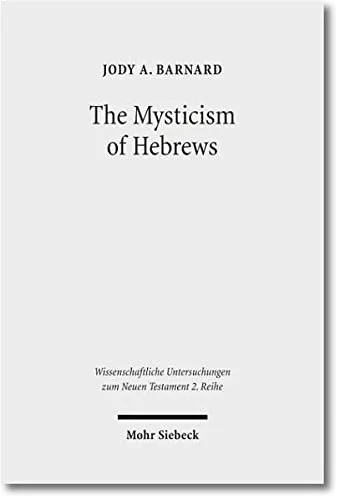
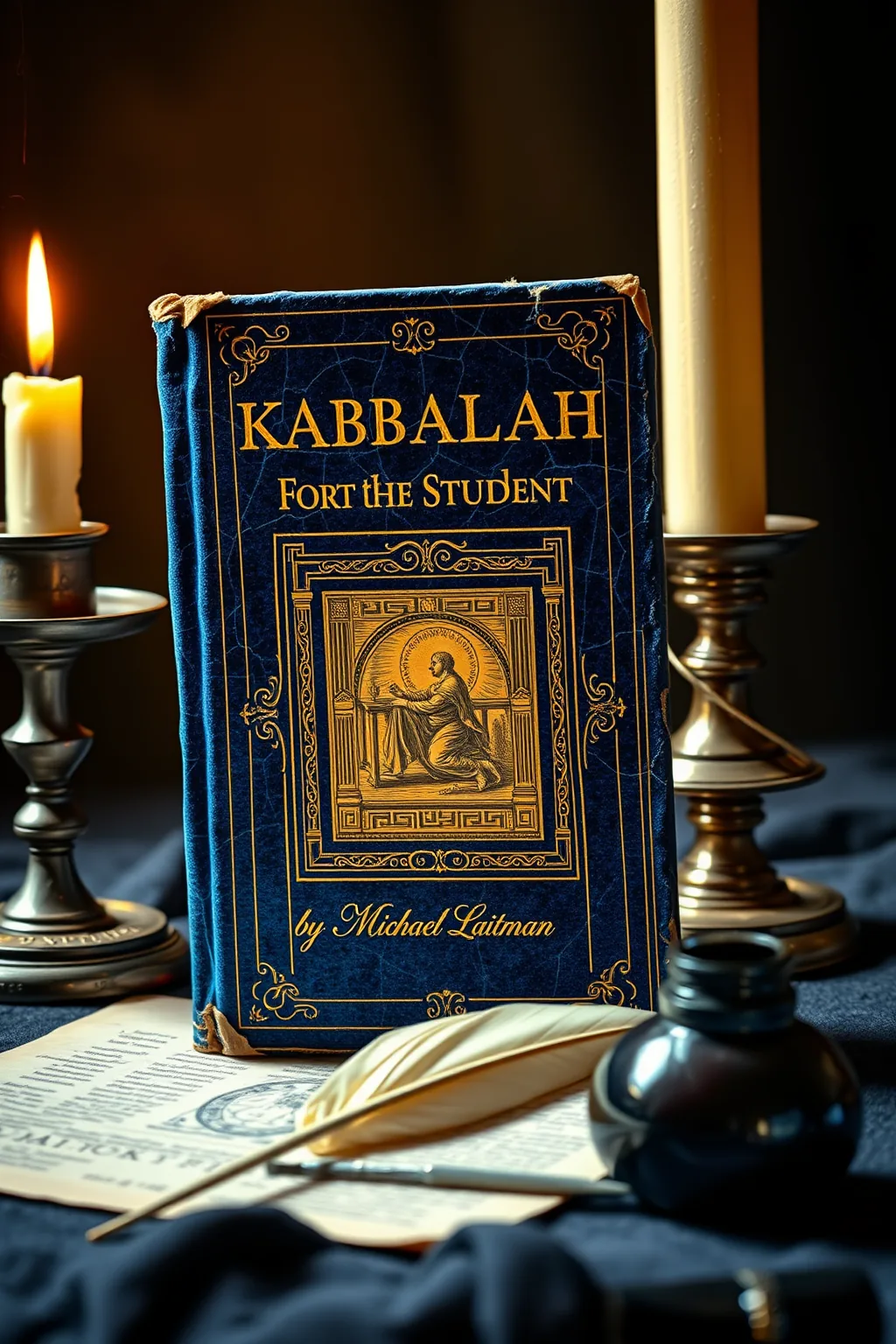
Kabbalah for the Student
 61
61

Kabbalah for the Student



Aurelia Blackwood, Occult Philosophy Critic: Michael Laitman's "Kabbalah for the Student" is a beacon for those venturing into the dense forest of Jewish mysticism. Laitman masterfully distills complex Kabbalistic doctrines into digestible, yet profoundly meaningful, lessons. He illuminates the esoteric significance of the Sephirot, the Tree of Life, and the fundamental principles of spiritual ascent with remarkable clarity. This work is particularly adept at bridging the gap between ancient texts and the modern seeker's quest for inner transformation. Its strength lies in its systematic approach, making it an invaluable resource for serious students eager to engage with the deepest layers of Kabbalistic thought, offering a solid foundation for further exploration.
📝 Description
61
Michael Laitman's 2007 book, 'Kabbalah for the Student,' explains the foundational principles of this Jewish mystical tradition.
This book aims to make the complex system of Kabbalah accessible to new students. Laitman breaks down the core ideas, symbols, and philosophy of this esoteric tradition into understandable terms. He explains how Kabbalah views the interconnectedness of all things and the spiritual forces shaping reality. The text is written to help readers grasp concepts that might otherwise seem difficult or obscure. It is intended for those seriously interested in learning about Kabbalah, whether for personal growth or academic study. The book encourages readers to consider fundamental questions about life, purpose, and consciousness. It seeks to provide clarity on creation's secrets and the way to spiritual development.
Kabbalah, a form of Jewish mysticism, centers on understanding the divine nature and the structure of reality. Its texts, such as the Zohar and works by Isaac Luria, use allegory and symbolism to describe creation, the emanations of God (Sefirot), and the path for humanity to connect with the divine. Kabbalah for the Student situates itself within this lineage, translating its dense theoretical framework and practical applications for a modern audience.
💡 Why Read This Book?
Unlock the secrets of the universe and your own spiritual potential. "Kabbalah for the Student" provides a clear, structured path to understanding one of history's most profound mystical traditions. Ideal for seekers yearning for deeper meaning, scholars desiring to grasp intricate symbolism, and practitioners seeking to integrate ancient wisdom into modern life. Discover the hidden connections that bind all of existence and embark on a journey of self-discovery and enlightenment.
⭐ Reader Reviews
Honest opinions from readers who have explored this book.
❓ Frequently Asked Questions
Is prior knowledge of Kabbalah required to read this book?
No, "Kabbalah for the Student" is specifically designed for beginners, offering a comprehensive and accessible introduction to the core principles and concepts of Kabbalah without assuming prior familiarity.
What is the primary goal of studying Kabbalah as presented in this book?
The primary goal is to attain spiritual understanding, connect with the divine force, and grasp the underlying structure of reality, leading to personal transformation and the betterment of the world.
How does this book differ from other introductions to Kabbalah?
Laitman's approach emphasizes practical application and the interconnectedness of all spiritual elements, moving beyond purely theoretical study to a more experiential understanding of Kabbalistic principles.
What are the key symbols discussed in the book?
The book delves into the symbolism of the Tree of Life, the Sephirot, Hebrew letters, and various esoteric metaphors used to describe the spiritual worlds and their influence on our reality.
Can this book be used for group study or personal contemplation?
Absolutely. The clear structure and profound insights make it suitable for both guided group discussions and dedicated personal study and contemplation.
🔮 Key Themes & Symbolism
The Tree of Life and the Sephirot
This section explores the foundational diagram of Kabbalistic cosmology, the Tree of Life, and its ten emanations, the Sephirot. Laitman reveals how these divine attributes represent stages of creation and pathways of spiritual ascent. Understanding the Sephirot is crucial for comprehending the flow of divine energy, the nature of existence, and the interconnectedness of all beings. It serves as a map for working through the spiritual realms and achieving spiritual perfection, offering a framework for understanding both the macrocosm and the microcosm.
The Nature of the Soul and Spiritual Evolution
The book looks at the Kabbalistic understanding of the soul, its origins, and its journey through various levels of existence. It illuminates the concept of spiritual evolution, emphasizing the inherent potential within each individual to ascend towards higher spiritual states. Laitman explains how the challenges and experiences of this world serve as opportunities for the soul's refinement and growth, guiding the reader toward recognizing their divine essence and purpose.
The Purpose of Creation and the Search for Unity
A central theme is the Kabbalistic perspective on the purpose of creation: to reveal the Creator's benevolence. Laitman elucidates how the perceived separation and multiplicity in our world are illusions that veil an underlying unity. The book guides the reader toward understanding this fundamental unity and the importance of fostering connection and altruism as the path to spiritual realization and the rectification of the world.
💬 Memorable Quotes
Direct passages from the work, attributed to the author.
“The path of Kabbalah is the path of love and bestowal.”
— This highlights the core ethical and spiritual practice within Kabbalah: acting with unconditional love and generosity. It suggests that true spiritual attainment is achieved through selfless giving and connection with others.
“To know the Creator is to become like Him.”
— This captures the ultimate goal of Kabbalistic study: not merely intellectual understanding, but spiritual transformation. By emulating the Creator's attributes of love and bestowal, one draws closer to the divine essence.
“The universe unfolds from a single point of light.”
— This poetic statement refers to the Kabbalistic concept of Ein Sof (the Infinite) and the initial emanation of creation, symbolizing the ultimate unity and divine origin from which all diversity arises.
💡 Key Ideas
Editorial paraphrase of the work's core concepts — not direct quotes.
The world is a mirror reflecting the Creator's essence.
This quote emphasizes the Kabbalistic belief that all of reality, in its intricate details, serves to reveal the divine nature. By observing and understanding the world, one can gain insight into the Creator's attributes and intentions.
Our desires are the vessels for receiving light.
This quote explains how human yearning and aspiration, when directed towards spiritual growth, become the means by which divine energy (light) can be received and assimilated into one's being.
🌙 Esoteric Significance
Tradition
This book is rooted in the Hermetic and Kabbalistic traditions, particularly drawing from the Lurianic and Ashlagian schools of thought. It represents an esoteric interpretation of Jewish scripture and cosmology, focusing on the hidden spiritual mechanics of the universe and the path of human spiritual ascent. Its significance lies in providing a coherent framework for understanding the divine, the soul, and the interconnectedness of all existence through symbolic language and mystical insight.
Symbolism
The core symbolism revolves around the Tree of Life, a diagram representing the ten Sephirot (divine emanations) and their relationships. Other key symbols include Hebrew letters, divine names, and allegorical narratives from Jewish scripture, all interpreted to reveal deeper spiritual truths. These symbols act as keys to unlock the hidden layers of reality, guiding the practitioner toward a direct experience of the divine and the fundamental principles governing creation and consciousness.
Modern Relevance
In an age often characterized by materialism and disconnection, Kabbalah offers a profound counterpoint, emphasizing spiritual unity, purpose, and the interconnectedness of all beings. Laitman's work highlights the relevance of these ancient teachings for personal transformation, ethical development, and fostering a more harmonious global society. It provides a framework for understanding life's challenges as opportunities for growth and for cultivating a deeper connection to something greater than oneself.
👥 Who Should Read This Book
This book is a rich source for the dedicated seeker of spiritual wisdom, regardless of their background. Beginners will find it an invaluable, clear introduction to the foundational concepts of Kabbalah, explaining complex ideas. Scholars will appreciate the depth of analysis and the systematic presentation of esoteric principles. Practitioners seeking to deepen their understanding of meditation, spiritual growth, and the nature of reality will find practical guidance and useful insights. Ultimately, anyone drawn to the mysteries of existence and the quest for higher consciousness will find this book to be an useful and transformative read.
📜 Historical Context
Kabbalah, the esoteric tradition of Jewish mysticism, emerged in the medieval period, drawing upon ancient texts and oral traditions. Its development was significantly influenced by figures like Isaac Luria in the 16th century, whose teachings on Tikkun (rectification) and the shattering of vessels profoundly shaped subsequent Kabbalistic thought. The Zohar, a foundational text, emerged in the late 13th century, tying together complex allegories and mystical interpretations of the Torah. During the Enlightenment and subsequent eras, Kabbalah faced both revival and controversy, with various schools and interpretations arising. Michael Laitman's work represents a contemporary effort to reintroduce and clarify these ancient teachings for a modern audience, often emphasizing their practical and universal relevance in a rapidly changing world.
📔 Journal Prompts
Reflect on the concept of 'bestowal' as described in the book. How can you practice more selfless giving in your daily life?
Consider the Tree of Life as a map of your own spiritual journey. Which Sephirot do you feel most connected to, and why?
The book speaks of hidden light. Where do you perceive glimpses of divine light in your everyday experiences?
How does the idea of interconnectedness challenge your current perceptions of separation and individuality?
What personal desires do you possess, and how might they be transformed into vessels for spiritual growth and receiving divine light?
🗂️ Glossary
Ein Sof
The Kabbalistic term for God as infinite, boundless, and unknowable, representing the primordial state of existence before creation and emanation.
Sephirot
The ten divine emanations or attributes through which the infinite God (Ein Sof) reveals Himself and creates the universe. They form the structure of the Tree of Life.
Tzimtzum
The Kabbalistic concept of 'contraction' or 'withdrawal,' referring to the divine act of creating space for creation by contracting His infinite light.
Keter
The first Sephirah on the Tree of Life, representing the supreme crown, will, or the divine thought that initiates creation. It is the highest point of emanation.
Malkhut
The tenth and final Sephirah, representing the kingdom, manifestation, or the physical world. It is the receptacle of divine light and the point of connection with our reality.
This book appears in 1 collection
🔮 Readers Also Liked
Browse all →








More by Michael Laitman
All books →





From the “Kabbalah” Collection
View all →







More Free Kabbalah & Jewish Mysticism Books
View all →