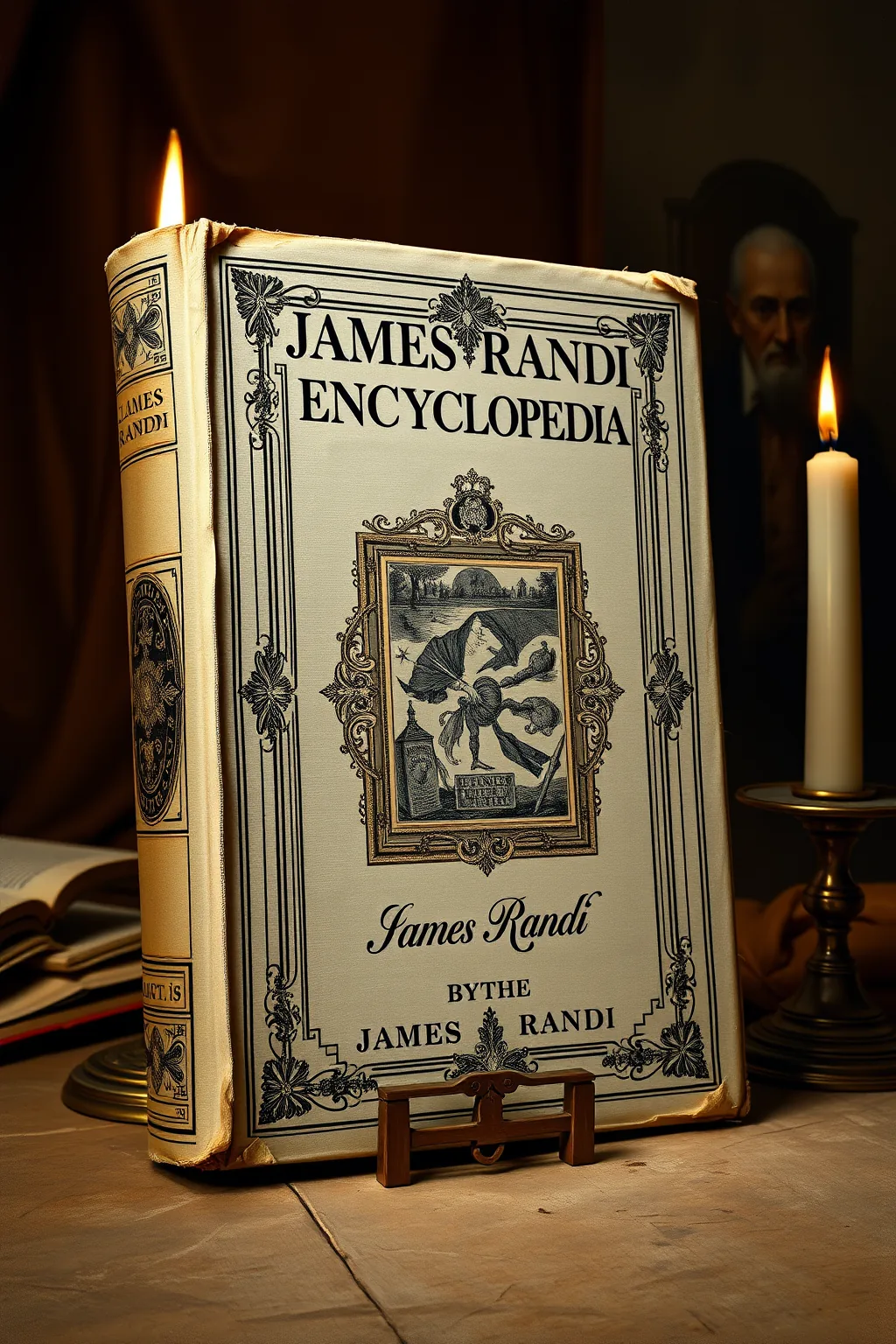
James Randi Encyclopedia Of Claims, Frauds, And Hoaxes Of The Occult And Supernatural Decidedly Skeptical Definitions Of Alternative Realities
 81
81

James Randi Encyclopedia Of Claims, Frauds, And Hoaxes Of The Occult And Supernatural Decidedly Skeptical Definitions Of Alternative Realities



James Randi's "Encyclopedia of Claims, Frauds, and Hoaxes of the Occult and Supernatural" is a must-read for modern esoteric seekers. Randi's extensive background in stage magic and scientific skepticism lends an authoritative voice to his critiques of paranormal and pseudoscientific claims. The book is meticulously researched and presents a compelling argument for the importance of skepticism in the face of supernatural assertions. Randi's writing style is engaging and accessible, making complex ideas understandable for a wide audience. For those interested in the occult and supernatural, this book offers a valuable counterpoint to the often uncritical acceptance of esoteric beliefs. It encourages readers to question and verify claims, fostering a more informed and rational approach to the mysteries of the universe. This text is a five-star guide for anyone seeking to navigate the often murky waters of the occult.
📝 Description
81
James Randi's 1995 encyclopedia debunks claims of the occult and supernatural with skeptical definitions.
Published in 1995, James Randi's Encyclopedia of Claims, Frauds, and Hoaxes of the Occult and Supernatural offers a skeptical examination of paranormal phenomena. Randi, a professional magician and investigator, applies his understanding of illusion to expose how alleged supernatural events are often staged or misinterpreted. The book systematically breaks down common claims related to psychic abilities, spiritualism, UFOs, and other esoteric subjects.
Randi's approach is direct, focusing on logical fallacies and the lack of verifiable evidence supporting these claims. He details specific cases and individuals who have promoted supernatural beliefs, often revealing the financial or psychological motivations behind them. The work aims to equip readers with critical thinking skills to evaluate extraordinary claims independently. It is a comprehensive catalog of deception within the occult and supernatural fields.
This encyclopedia sits outside esoteric traditions, acting as a counterpoint to them. It addresses the widespread appeal of spiritualism, divination, and paranormal experiences that have characterized various esoteric movements throughout history. By dissecting these phenomena, Randi engages with the cultural fascination with the unknown that often fuels esoteric beliefs. The book's purpose is to demystify these elements, contrasting them with rational explanations and empirical evidence, rather than contributing to esoteric discourse.
💡 Why Read This Book?
Reading "James Randi Encyclopedia Of Claims, Frauds, And Hoaxes Of The Occult And Supernatural" today is crucial for developing a critical mindset towards the esoteric and supernatural. In an age where information is abundant but not always reliable, Randi's skepticism serves as a beacon of rational thought. This book equips readers with the tools to discern fact from fiction, making it an invaluable resource for both casual readers and serious investigators of the occult. By understanding the historical and cultural context of various claims, readers can better appreciate the enduring fascination with the supernatural while maintaining a healthy skepticism.
⭐ Reader Reviews
Honest opinions from readers who have explored this book.
❓ Frequently Asked Questions
What makes this book unique in the field of esoteric studies?
This book stands out due to its skeptical perspective, backed by extensive research and the author's expertise in stage magic and scientific skepticism.
Is this book suitable for beginners in the occult?
Yes, the book is written in an accessible style, making it suitable for both beginners and experienced esoteric seekers.
How does Randi's background influence his writing?
Randi's background in stage magic and skepticism provides a unique lens through which he examines and debunks supernatural claims, offering a critical and informed perspective.
🔮 Key Themes & Symbolism
Skepticism in the Occult
This theme explores the importance of skepticism in the study of the occult, challenging the reader to question the authenticity of supernatural claims. Randi's work serves as a reminder that critical thinking is essential in the pursuit of genuine knowledge.
Hidden Knowledge
The book examines the hidden knowledge of the mystical world, revealing the deceptions that have long captivated the human imagination. It encourages readers to seek the truth beyond the surface-level mysteries.
Symbolism and Deception
This theme examines the use of symbolism in the occult, highlighting how symbols can be manipulated to deceive and mislead. Randi's insights into the symbolic language of the mystical world are both enlightening and empowering.
💬 Memorable Quotes
Direct passages from the work, attributed to the author.
“The true magic lies in the power of critical thought.”
— Randi emphasizes the importance of rational inquiry over blind belief.
“Question everything, especially the supernatural.”
— A call to skepticism and critical thinking in the pursuit of truth.
“The occult is a labyrinth of lies.”
— Randi's view on the complexity and deceitfulness of the occult.
“Seek the truth, not the illusion.”
— A reminder to focus on genuine understanding rather than superficial mysteries.
💡 Key Ideas
Editorial paraphrase of the work's core concepts — not direct quotes.
Deception is the currency of the occult.
This quote underscores the pervasive nature of fraud within the mystical world.
🌙 Esoteric Significance
Tradition
This book belongs to the tradition of Hermetic skepticism, which emphasizes the use of critical thinking and rational inquiry in the study of the occult. It challenges the esoteric beliefs and practices that have long been accepted as truth.
Symbolism
Key symbols in the book include the use of deception and illusion to represent the hidden knowledge of the mystical world. These symbols serve as reminders of the need for vigilance and skepticism in the pursuit of genuine understanding.
Modern Relevance
Today, this book remains relevant as a guide for modern practitioners seeking to work through the complexities of the occult. It encourages a more rational and critical approach to the mystical, making it an essential resource for both beginners and seasoned practitioners.
👥 Who Should Read This Book
Beginners seeking an introduction to the occult will find this book an invaluable guide, offering a clear and rational path through the complexities of the mystical world. Scholars of the esoteric arts will appreciate the depth of Randi's insights and the philosophical significance of his work. Spiritual seekers will be inspired by the call to question and challenge prevailing beliefs, while practitioners will find practical tools for reading through the labyrinth of deception within the occult.
📜 Historical Context
Published in an era where the occult and supernatural were gaining renewed interest, James Randi's Encyclopedia of Claims, Frauds, and Hoaxes of the Occult and Supernatural emerged as a critical voice of reason. Written during a time of spiritual and intellectual exploration, the book challenged the prevailing beliefs and encouraged a more skeptical approach to the mystical. Its influence has been profound, inspiring a generation of seekers to question the authenticity of supernatural claims and to seek truth through rational inquiry.
📔 Journal Prompts
Reflect on a time when you were deceived by a supernatural claim. How did you react, and what did you learn?
How does skepticism enhance your understanding of the occult?
What symbols in the occult have you found to be particularly misleading?
In what ways can critical thinking improve your spiritual journey?
How does Randi's work challenge your current beliefs about the supernatural?
🗂️ Glossary
Skepticism
The practice of questioning and challenging beliefs and claims, especially those related to the supernatural and occult.
Occult
The study of hidden or secret knowledge, often involving supernatural or mystical elements.
Supernatural
Phenomena that are beyond the scope of natural explanation, often involving the paranormal or divine.
Deception
The act of misleading or tricking someone, often for personal gain or to conceal the truth.
Esoteric
Knowledge that is hidden or understood only by a few, often involving mystical or spiritual insights.
This book appears in 5 collections
🔮 Readers Also Liked
Browse all →








More by James Randi
All books →

From the “Occultism” Collection
View all →







More Free Occult Philosophy Books
View all →