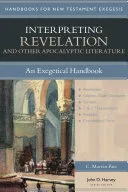
Interpreting Revelation and Other Apocalyptic Literature
 79
79

Interpreting Revelation and Other Apocalyptic Literature
C. Marvin Pate’s analysis of Revelation and related apocalyptic texts presents a compelling argument for the inaugurated eschatology, framing the "age to come" as a present reality. The strength of this work lies in its systematic unpacking of how this dual temporal existence impacts practical theology, specifically pastoral care and preaching. Pate effectively uses the Gospel of John and Old Testament prophetic literature to support his thesis. A limitation, however, is the dense academic prose, which might deter readers seeking a more accessible introduction. The discussion on the resurrection of the body and Christ’s return, and their immediate pastoral implications, is particularly illuminating, though it demands careful attention. Pate’s engagement with the "already-not yet" tension offers a valuable interpretive lens.
📝 Description
79
C. Marvin Pate's 2016 book examines the Book of Revelation and other apocalyptic literature.
In Interpreting Revelation and Other Apocalyptic Literature, C. Marvin Pate proposes that the "age to come" has already begun, establishing a dual reality for Christians today. This scholarly work focuses on eschatological texts, with special attention to the Book of Revelation. Pate engages with a long history of Christian eschatological thought, from the early church fathers through modern dispensationalist and preterist views. His arguments are situated within ongoing discussions about the timing and character of Christ's return and the millennium, drawing on scholarly conversations involving figures like John A. T. Robinson and N.T. Wright.
Pate analyzes the "already-not yet" concept of eschatology, where end-time events and the future kingdom are understood as both present and future realities. He discusses how these two ages blend and what this means for Christian life, pastoral work, and sermon preparation. The book encourages readers to grasp their present involvement in the coming age.
This book enters a discourse on eschatology that has long fascinated esoteric traditions. While Pate's approach is academic, his focus on apocalyptic literature and the nature of future kingdoms touches on themes found in various mystical and gnostic interpretations of divine timelines and hidden realities. The concept of a "dual reality" and the "age to come" resonates with traditions that perceive a spiritual world coexisting with the material, and a future transformation that is both imminent and ongoing.
💡 Why Read This Book?
• Understand the inaugurated eschatology by analyzing C. Marvin Pate's interpretation of the "age to come" as a present reality, as discussed in his examination of Revelation. • Grasp the practical implications of end-time events on pastoral care and sermon preparation, directly referencing Pate's insights into the blending of present and future ages. • Engage with scholarly debate by exploring Pate's engagement with historical eschatological views, providing context for his arguments on the unfolding of God's kingdom.
⭐ Reader Reviews
Honest opinions from readers who have explored this book.
❓ Frequently Asked Questions
What is the main theological argument of C. Marvin Pate's book?
The book argues that the "age to come" has already begun, meaning Christians currently live in an overlap between the present age and the future kingdom of God, impacting their present understanding and practice.
How does the book relate the Book of Revelation to other apocalyptic literature?
It examines Revelation alongside apocalyptic passages from the Gospels and the Old Testament to build a cohesive argument about the inaugurated nature of eschatological events and the kingdom.
What are the practical implications of this "already-not yet" understanding?
Pate discusses how this dual temporal reality affects immediate concerns like pastoral care and sermon preparation, urging a present application of future hope.
When was Interpreting Revelation and Other Apocalyptic Literature first published?
The book was first published on November 27, 2016, making it a relatively recent contribution to theological scholarship on eschatology.
Who is the author, C. Marvin Pate?
C. Marvin Pate is a scholar who has written on theological topics, with a focus on eschatology and the interpretation of biblical texts concerning end times.
What specific biblical texts are central to Pate's analysis?
Key texts include the Book of Revelation, apocalyptic sections within the Gospels, and various prophetic passages from the Old Testament.
🔮 Key Themes & Symbolism
Inaugurated Eschatology
The core of Pate's argument is that the eschatological "age to come" is not solely a future event but has been inaugurated with Christ's first coming and continues to unfold. This perspective frames the Christian life as existing in a tension between the present reality and the future consummation of God's kingdom, impacting how one understands salvation, suffering, and hope.
Dual Temporal Reality
Pate emphasizes that believers exist in two overlapping ages: the current age and the age to come. This concept challenges simplistic views of eschatology by highlighting the present experience of future realities. Understanding this blend is crucial for developing a robust theology that speaks to contemporary life and challenges.
Apocalyptic Literature Analysis
The book provides a method for interpreting apocalyptic literature, including the Book of Revelation, Daniel, and prophetic visions in the New Testament. It moves beyond literalistic or purely futuristic readings to explore the symbolic language and theological message within its historical and literary contexts.
Pastoral and Preaching Implications
A significant focus is placed on the practical application of eschatological understanding. Pate argues that grasping the "already-not yet" nature of the kingdom directly informs how pastors should shepherd their flocks and how preachers can craft sermons that are both biblically faithful and relevant to the present struggles of believers.
💬 Memorable Quotes
Direct passages from the work, attributed to the author.
“The age to come has already begun.”
— This concise statement captures Pate's central thesis, suggesting that the future reality of God's kingdom is not merely a distant hope but a present, active force in the lives of believers.
“Christians live in two overlapping ages.”
— This highlights the core concept of inaugurated eschatology, portraying the Christian experience as a unique temporal position where present realities intersect with future divine promises.
“End-time events and the age to come have already begun.”
— This reiterates the book's primary argument, challenging readers to see the unfolding of God's ultimate plan not as entirely future, but as a process that has initiated and is currently impacting the world.
“How do the future resurrection of the body and the return of Christ impact pastoral care and sermon preparation now?”
— This question points to the book's practical focus, urging theologians and pastors to consider the immediate relevance of eschatological doctrines for ministry and teaching in the present day.
“Examining Revelation and other apocalyptic literature from the Gospels and the Old Testament.”
— This describes the methodological approach of the book, indicating a comprehensive study that draws on a broad spectrum of biblical texts to support its theological claims.
🌙 Esoteric Significance
Tradition
While rooted in mainstream Christian theology, Pate's work touches upon esoteric themes by focusing on symbolic interpretation of apocalyptic texts and the spiritual experience of living in overlapping divine ages. It aligns with traditions that emphasize hidden meanings in scripture and the spiritual realities underlying material existence.
Symbolism
The Book of Revelation itself is a rich source of esoteric symbolism. Pate's analysis likely engages with motifs such as the Lamb, the Dragon, the New Jerusalem, and the number 666, interpreting them not merely as historical or future events but as symbols of spiritual warfare, divine sovereignty, and the transformative power of God's reign.
Modern Relevance
Contemporary movements emphasizing spiritual warfare, the "now faith" aspect of Christian doctrine, and holistic approaches to theology can find resonance in Pate's work. Thinkers and communities exploring the present manifestation of divine power and the ongoing work of the Holy Spirit in the "age to come" may draw upon his insights.
👥 Who Should Read This Book
• Students of biblical prophecy and eschatology seeking a rigorous, academically-grounded interpretation of apocalyptic literature. • Pastors and ministry leaders aiming to understand and effectively communicate the "already-not yet" nature of the Kingdom of God for practical application in sermons and discipleship. • Lay readers with a deep interest in theological studies who wish to explore the complexities of end-time discussions beyond popular interpretations.
📜 Historical Context
C. Marvin Pate's work, published in 2016, emerged within a continuing scholarly discourse on eschatology, a field that has seen diverse interpretations throughout Christian history. The book engages with various schools of thought, including dispensationalism and preterism, offering its own perspective on the "already-not yet" nature of the Kingdom of God. This approach built upon decades of theological work, notably the impact of theologians like Jürgen Moltmann and N.T. Wright, who explored the present reality of God's future kingdom. Pate's focus on the practical implications for pastoral care and preaching distinguishes his contribution, addressing a need for applied theology in the face of complex eschatological debates.
📔 Journal Prompts
The concept of the "age to come" already beginning.
How the dual temporal reality impacts present-day Christian living.
The symbolic meaning of specific apocalyptic imagery.
Connecting the resurrection of the body to current pastoral challenges.
The author's argument for the inaugurated nature of end-time events.
🗂️ Glossary
Eschatology
The theological study of 'last things,' including concepts such as death, judgment, heaven, hell, the end of the world, and the consummation of God's kingdom.
Apocalyptic Literature
A genre of literature, often symbolic and visionary, that typically deals with end-time events, divine judgment, and the ultimate triumph of God's purposes.
Inaugurated Eschatology
The theological framework positing that the eschatological events (like the Kingdom of God) have begun with Christ's first coming but will be fully consummated at his second coming.
Dual Temporal Reality
The state of existing simultaneously in the present age and the "age to come," a key concept in inaugurated eschatology where future realities have present implications.
Preterism
An eschatological viewpoint that interprets many biblical prophecies, particularly those concerning end times, as having already been fulfilled, often in the destruction of Jerusalem in 70 AD.
Dispensationalism
A theological system that divides history into distinct periods or "dispensations," often emphasizing a literal interpretation of biblical prophecy and a future, imminent return of Christ.
Kingdom of God
The reign and rule of God, understood both as a present spiritual reality experienced by believers and a future, fully realized state at the consummation of history.