Inner Temple Of Witchcraft

 78
78

Inner Temple Of Witchcraft
Christopher Penczak's *Inner Temple of Witchcraft* presents a remarkably thorough, almost academic, approach to the craft. Unlike many texts that rely on anecdote or vague pronouncements, Penczak structures his material like a curriculum, which is both a strength and, at times, a limitation. The clarity with which he breaks down concepts like energy manipulation and the construction of ritual space is commendable, particularly in the section detailing the "Wheel of the Year" and its attendant Sabbats. However, this systematic rigor can occasionally feel didactic, leaving less room for the intuitive, emergent qualities that many practitioners cherish. The emphasis on personal responsibility is well-articulated, especially in the discussions surrounding the ethics of magic, but the sheer volume of information might feel overwhelming to a complete novice seeking immediate, visceral connection. The work is a solid, well-researched manual for the dedicated student of Western Esotericism.
This book serves as a dense, organized primer for the earnest witch.
📝 Description
78
Christopher Penczak's Inner Temple of Witchcraft, published in 2021, details modern witchcraft principles.
This book serves as a curriculum for modern witchcraft, covering its core elements and advanced practices. Penczak designed it as an instructional text for personal magical development. The book systematically builds a practitioner's understanding and skills. It addresses a wide range of topics relevant for those beginning or continuing their study of witchcraft. The approach is structured for those who prefer an educational format for their spiritual path. It is suitable for beginners seeking a strong foundation and intermediate practitioners aiming to refine techniques and deepen theoretical knowledge. Readers interested in a Western Esoteric approach that stresses personal responsibility, ethical practice, and connection to the natural world will find it particularly useful.
Published in 2021, Penczak's work synthesizes centuries of esoteric thought and witchcraft traditions. It engages with the lineage of Gerald Gardner and 20th-century Neo-Pagan revival movements. The book is positioned within Western Esotericism, influenced by the Golden Dawn and ceremonial magic. Penczak's method offers a contemporary synthesis adapted for modern spiritual seekers.
💡 Why Read This Book?
• Gain a structured understanding of foundational witchcraft principles, including the creation of sacred space and energy work, as detailed in Penczak's systematic approach to the "Inner Temple" concept. • Learn practical techniques for developing psychic awareness and elemental correspondences, essential for effective ritual work as presented in the book's extensive exercises. • Explore the ethical framework and personal responsibility inherent in modern witchcraft, drawing from Penczak's detailed discussions which aim to foster a grounded and mature practice.
⭐ Reader Reviews
Honest opinions from readers who have explored this book.
❓ Frequently Asked Questions
What specific witchcraft tradition does Christopher Penczak's *Inner Temple of Witchcraft* align with?
The book aligns with a modern, Western Esoteric approach to witchcraft, synthesizing elements from Hermeticism, ceremonial magic, and Neo-Pagan traditions. It emphasizes personal practice and self-initiation rather than adherence to a specific historical coven structure.
When was *Inner Temple of Witchcraft* first published?
Christopher Penczak's *Inner Temple of Witchcraft* was first published in 2021, making it a contemporary text in the field of witchcraft literature.
Does the book cover elemental magic?
Yes, *Inner Temple of Witchcraft* extensively covers elemental magic, detailing the correspondences and practical applications of Earth, Air, Fire, and Water within ritual and personal practice.
Is this book suitable for absolute beginners in witchcraft?
Absolutely. The book is designed as a comprehensive curriculum, starting with fundamental concepts and progressing to more complex topics, making it ideal for those new to the craft.
What is the 'Inner Temple' concept as presented by Penczak?
The 'Inner Temple' refers to the sacred, protected space created within the practitioner's own mind and spirit, serving as the primary locus for magical work and connection.
Does the book discuss ethical considerations in witchcraft?
Yes, ethical considerations and the concept of personal responsibility are central themes woven throughout *Inner Temple of Witchcraft*, guiding the practitioner toward a responsible and empowered path.
🔮 Key Themes & Symbolism
The Sacred Inner Space
The central metaphor of the "Inner Temple" underscores the book's focus on cultivating a personal, sacred space within the practitioner. This concept is not merely metaphorical but a practical tool for magical focus and spiritual development. Penczak guides readers in constructing this internal sanctuary through meditation and visualization, making it the bedrock for all subsequent magical operations. This internalized sacredness allows for ritual work independent of external locations, emphasizing the practitioner's own spiritual authority and connection to the divine.
Elemental Integration
Penczak meticulously details the four classical elements—Earth, Air, Fire, and Water—and their correspondences within the craft. The book provides exercises for understanding and working with each element’s energies, both externally in nature and internally within the practitioner. This integration is presented as fundamental to achieving balance and harmony, not only in magical workings but in everyday life. The systematic exploration of elements offers a framework for understanding the forces that shape reality.
Ethical Magical Practice
A significant portion of *Inner Temple of Witchcraft* is dedicated to the ethical dimensions of magic. Penczak stresses the importance of personal responsibility, informed consent, and the potential consequences of magical actions. The work encourages a mature and conscious approach to power, advocating for practices that promote healing, growth, and empowerment without causing harm. This ethical grounding is presented as inseparable from effective and sustainable magical development.
The Psychic Self
Developing and honing psychic senses is a core component of the curriculum presented. Penczak offers methods for enhancing intuition, clairvoyance, and other subtle perceptions, framing them as essential tools for a witch. The book provides practical exercises designed to awaken and strengthen these innate abilities, enabling practitioners to perceive energetic shifts and gain deeper insight into themselves and the world around them. This focus on internal awareness is key to the book's holistic approach.
💬 Memorable Quotes
Direct passages from the work, attributed to the author.
“The Inner Temple is the sacred space within you.”
— This concise statement expresses the book's central thesis: that true magical power and spiritual connection originate from within the practitioner, rather than being solely dependent on external tools or locations.
“Understanding the elements is key to understanding the world.”
— This highlights the foundational role of elemental theory in Penczak's system, suggesting that mastering the energies of Earth, Air, Fire, and Water provides a crucial lens through which to perceive and interact with all aspects of existence.
“Develop your psychic senses to perceive subtle energies.”
— This encourages the reader to engage with the non-physical aspects of reality, positioning the cultivation of intuitive and extrasensory abilities as integral to a comprehensive magical practice.
“Build your sacred space from the inside out.”
— This reinforces the internal focus of the 'Inner Temple' concept, directing the practitioner to establish their connection to the divine and their magical locus within their own being.
💡 Key Ideas
Editorial paraphrase of the work's core concepts — not direct quotes.
Magic is a skill that requires consistent practice and ethical consideration.
This paraphrased concept emphasizes the book's practical and responsible approach, framing witchcraft not as mere belief but as a discipline demanding dedicated effort and mindful application of power.
🌙 Esoteric Significance
Tradition
This work is firmly rooted in the Western Esoteric tradition, drawing heavily from Hermetic philosophy, ceremonial magic, and the modern Wiccan and Neo-Pagan movements. Penczak synthesizes these streams into a cohesive system of witchcraft practice. It departs from strict adherence to historical covens or specific deity worship, instead emphasizing personal gnosis, self-initiation, and the integration of various esoteric principles into a unified practice centered around the individual practitioner's inner world.
Symbolism
Key symbols include the "Inner Temple" itself, representing the practitioner's internal sacred space and connection to the divine. Elemental symbols (Earth, Air, Fire, Water) are central, used to understand correspondences and energies in ritual. The "Wheel of the Year," symbolizing the cyclical nature of life, death, and rebirth through the Sabbats and Esbats, is also a critical motif, grounding the practice in natural rhythms and cosmic order.
Modern Relevance
Contemporary practitioners of eclectic witchcraft, Neo-Paganism, and those exploring self-directed spiritual paths frequently draw upon Penczak's structured approach. His emphasis on ethical practice and personal empowerment aligns with modern spiritual discourse. Thinkers and practitioners focused on integrating psychological development with magical practice find value in his systematic methods for cultivating psychic abilities and inner awareness.
👥 Who Should Read This Book
• Aspiring witches seeking a comprehensive, curriculum-style introduction to the core principles and practices of modern witchcraft. • Intermediate practitioners looking to deepen their theoretical understanding and refine their techniques in areas like energy work and elemental magic. • Students of Western Esotericism interested in a contemporary synthesis of Hermetic, ceremonial magic, and Neo-Pagan concepts within a witchcraft framework.
📜 Historical Context
Christopher Penczak's *Inner Temple of Witchcraft*, published in 2021, emerged in an era where modern witchcraft had long moved beyond its initial codification by figures like Gerald Gardner in the mid-20th century. By the 1980s and 1990s, traditions like Wicca and other Neo-Pagan paths had diversified significantly, with many practitioners seeking more structured, personalized approaches. Penczak's work can be seen as a continuation of this trend, building upon the foundations laid by earlier authors such as Scott Cunningham and Doreen Valiente, who sought to explain and systematize witchcraft. The book engages with the broader field of Western Esotericism, a lineage that includes Hermeticism and ceremonial magic, movements that gained prominence in the late 19th century through groups like the Hermetic Order of the Golden Dawn. While not directly engaging with a specific contemporary rival school in its text, Penczak’s comprehensive, curriculum-like format offers an alternative to more eclectic or tradition-specific witchcraft books that might have gained traction during the same period. Its reception reflects the ongoing appetite for well-organized, accessible guides to witchcraft.
📔 Journal Prompts
Reflect on the construction of your own Inner Temple and its symbolic architecture.
Analyze the energetic qualities of one element (Earth, Air, Fire, Water) in your immediate environment.
Document a ritual or magical working, noting your ethical considerations and energy management.
Explore the concept of the "Wheel of the Year" in relation to your personal life cycles.
Consider how developing your psychic senses might alter your perception of daily events.
🗂️ Glossary
Inner Temple
The sacred, protected space created within the practitioner's mind and spirit, serving as the primary locus for magical work, meditation, and connection to the divine.
Energy Work
The practice of perceiving, manipulating, and directing subtle energies for magical purposes, including healing, manifestation, and ritual enhancement.
Elemental Correspondences
The association of specific qualities, symbols, and energies with the four classical elements (Earth, Air, Fire, Water) used in ritual and magical practice.
Sacred Space
A consecrated area, either physical or energetic, set apart for ritualistic or spiritual purposes, often created through specific magical techniques.
Psychic Senses
Intuitive and extrasensory faculties such as clairvoyance, clairaudience, and clairsentience, which are cultivated for deeper perception and understanding.
Wheel of the Year
A cyclical calendar marking eight major festivals (Sabbats) that correspond to the solstices, equinoxes, and cross-quarter days, reflecting the natural cycles of the earth.
Esbats
Lunar rituals performed during the full moon, often focused on goddess worship and feminine energies, complementing the solar-focused Sabbats.
🔮 Readers Also Liked
Browse all →









More by Christopher Penczak
All books →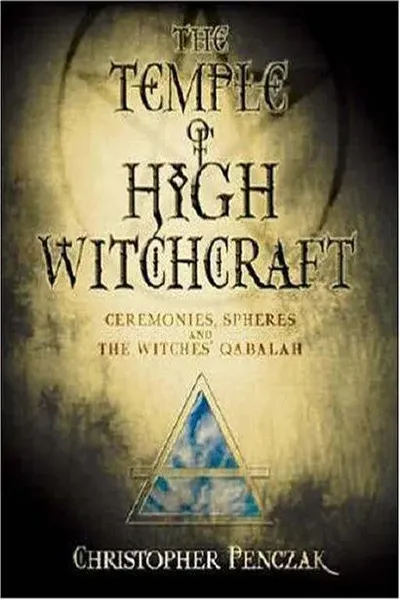



More Free Witchcraft & Paganism Books
View all →