Historical Dictionary of Shamanism
 75
75

Historical Dictionary of Shamanism
Harvey and Wallis's "Historical Dictionary of Shamanism" functions less as a narrative and more as a meticulously organized archive. Its strength lies in its sheer breadth, cataloging an astonishing array of individuals and practices across continents and epochs. The entry on the etymological roots of 'shaman' in Siberia is particularly illuminating, providing a necessary anchor for the often-diffuse understanding of the term. However, the dictionary's encyclopedic nature, while its virtue, can also be a limitation; the entries, though informative, occasionally feel dry, lacking the narrative flow that might fully convey the lived experience of these traditions. A passage discussing the appropriation of shamanic imagery in Western subcultures, for instance, is factually sound but could benefit from deeper analysis of the philosophical underpinnings of such trends. Ultimately, this is an essential reference tool for serious students, demanding careful reading rather than casual browsing.
📝 Description
75
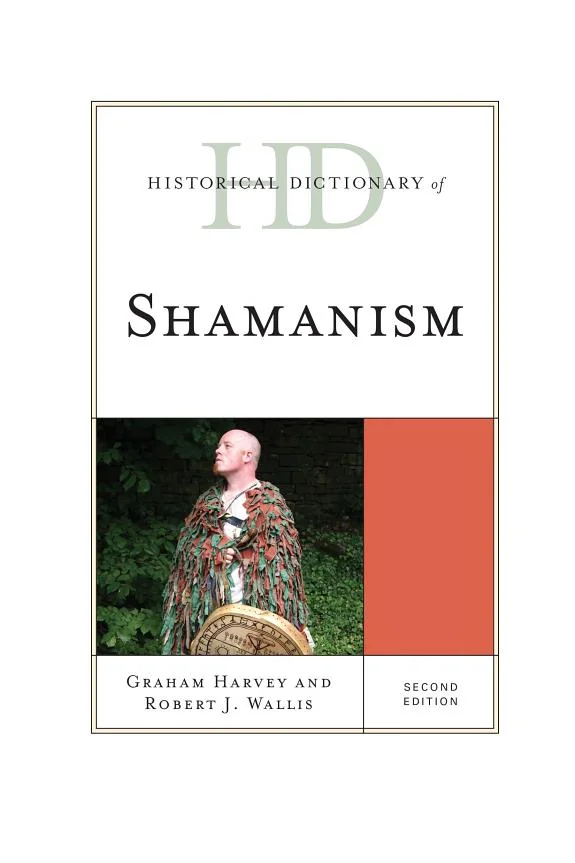
Graham Harvey and Robert J. Wallis's 2015 Historical Dictionary of Shamanism offers an A-Z reference to a complex field.
This dictionary provides a comprehensive reference to shamanism, a complex and often misunderstood field. The second edition updates and expands on the original, covering a wide geographical and temporal range. It addresses diverse individuals and phenomena labeled as shamanic, from ancient Siberian practices to modern urban expressions. The work examines the etymology of the term 'shaman' and its Siberian origins, serving as a starting point for understanding its global spread.
The dictionary is a valuable resource for scholars in religion, anthropology, and cultural studies. It is also useful for practitioners seeking a deeper understanding of shamanic traditions beyond popular interpretations. Students of comparative religion will appreciate its broad examples, and those interested in the history of spiritual practices will find its entries detailed. The book addresses the contested nature of shamanism, aiding informed discussion and inquiry.
The term "shamanism" originated in 17th-century Siberian ethnography, notably in Nikolai Spathari's work. Its application has since broadened, leading to debates about appropriation. This dictionary acknowledges the contentious nature of many claims, reflecting a scholarly focus on rigorous definition and historical accuracy.
Shamanism, a term originating from Siberian ethnography, refers to a range of spiritual practices involving altered states of consciousness and communication with the spirit world. This dictionary addresses the historical development and academic study of this category, acknowledging its contested nature and the potential for misrepresentation. It situates shamanic traditions within their specific cultural and historical contexts, moving beyond generalized notions often found in popular esoteric discourse.
💡 Why Read This Book?
• Gain a precise understanding of the etymological origins of the term 'shaman' in 17th-century Siberian ethnography, distinguishing academic usage from popular notions. • Explore the documented geographical spread of shamanic practices, moving beyond Siberia to specific examples like those found in Amazonia and contemporary Chicago. • Confront the contentious nature of shamanic claims by examining how the work addresses debates and diverse interpretations of phenomena identified as shamanic.
⭐ Reader Reviews
Honest opinions from readers who have explored this book.
❓ Frequently Asked Questions
What is the primary difference between the first and second editions of the Historical Dictionary of Shamanism?
The second edition significantly expands upon the first, incorporating more examples from antiquity to the present day and widening its geographical scope to include regions beyond Siberia, such as South Africa and Chicago.
Where did the term 'shaman' originate?
The term 'shaman' is of Tungus (Siberian) origin and first entered Western scholarly discourse in the 17th century, primarily through the writings of ethnographers describing Siberian indigenous spiritual leaders.
Does the dictionary cover modern urban shamanism?
Yes, the work explicitly includes examples of shamanic practices found in modern urban environments, such as Chicago, reflecting the proliferation and adaptation of these traditions.
Is this book suitable for beginners in the study of shamanism?
While comprehensive, the dictionary's format as an A-Z reference makes it an excellent starting point for beginners seeking factual definitions and historical context, rather than a narrative introduction.
What is the significance of the book addressing 'contentious' claims about shamanism?
By acknowledging and exploring contested aspects, the dictionary encourages critical engagement, helping readers differentiate between historical ethnographic accounts, modern interpretations, and potential misrepresentations of shamanic phenomena.
Who are the main authors of this dictionary?
The primary authors are Graham Harvey and Robert J. Wallis. The book was first published in its second edition in December 2015.
🔮 Key Themes & Symbolism
Etymology and Siberian Origins
The dictionary meticulously traces the term 'shaman' to its Tungus roots in Siberia, a crucial anchor point for understanding its historical application. It differentiates between the specific socio-religious roles in Siberia and the broader, often debated, applications of the term globally. This section emphasizes how early ethnographic accounts from the 17th century onwards shaped Western perceptions and academic discourse surrounding shamanic practices.
Global Proliferation and Diversity
Harvey and Wallis document the widespread presence of phenomena identified as shamanic across diverse geographical locations and historical periods. From ancient Siberian rituals to contemporary expressions in urban settings like Chicago and traditional practices in Amazonia and South Africa, the work highlights the adaptability and varied forms of these traditions. It serves as a counterpoint to narrow definitions, showcasing the expansive nature of what has been labeled shamanic.
Contested Claims and Critical Engagement
A significant aspect of the dictionary is its direct engagement with the contentious nature of shamanism. It acknowledges that many claims about shamans and shamanic phenomena are subject to debate and interpretation. This approach encourages readers to adopt a critical perspective, distinguishing between rigorous ethnographic research, New Age appropriations, and popular misconceptions, thereby fostering a more informed and nuanced understanding of the subject.
Phenomena vs. Category
The work grapples with the distinction between observable shamanic phenomena (altered states, spirit communication, healing) and the potentially problematic overarching category of 'shamanism.' It explores how the term itself has become a subject of study, examining its academic history and the implications of its broad, sometimes uncritical, application across vastly different cultural contexts.
💬 Memorable Quotes
Direct passages from the work, attributed to the author.
“A remarkable array of people have been called shamans, while the phenomena identified as shamanism continues to proliferate.”
— This opening statement immediately sets the stage for the dictionary's scope, highlighting the broad and often inconsistent application of the term 'shaman' and the widespread nature of practices associated with it.
“Many claims about shamans and shamanism are contentious and all are worthy of discussion.”
— This highlights the book's critical approach, acknowledging that the field is rife with debate and encouraging readers to engage thoughtfully with diverse perspectives and potentially conflicting information.
“From antiquity up to today, and from Siberia... to Amazonia, South Africa, Chicago and many other places.”
— This phrase expresses the immense temporal and geographical range covered by the dictionary, underscoring its ambition to provide a comprehensive overview of shamanic traditions worldwide.
“Where the term 'shaman' originated.”
— This points to the dictionary's foundational work in establishing the etymological and historical roots of the term, providing essential context before exploring its broader applications.
“The phenomena identified as shamanism continues to proliferate.”
— This suggests an ongoing, dynamic process where practices and beliefs are continually being labeled or identified as shamanic, indicating the fluid and evolving nature of the subject.
🌙 Esoteric Significance
Tradition
While not strictly adhering to a single esoteric lineage like Hermeticism or Theosophy, this dictionary engages with traditions that often intersect with esoteric thought. Shamanism, with its focus on altered states, spirit journeys, and direct experience of unseen realms, shares common ground with various mystical and occult traditions that seek knowledge beyond empirical observation. It offers a counterpoint to more formalized Western esoteric systems by emphasizing indigenous cosmologies and practices rooted in specific ecological and cultural contexts.
Symbolism
Key symbols explored within the dictionary often relate to the shaman's journey and connection to the spirit world. These can include representations of the World Tree or Axis Mundi, connecting the earthly realm with the heavens and underworlds; animal spirits or totems, signifying guides, protectors, or aspects of the shaman's power; and symbols associated with altered states, such as drums, rattles, or specific plants used in rituals. These symbols are not merely decorative but are integral to the shaman's cosmology and therapeutic efficacy.
Modern Relevance
Contemporary thinkers and practitioners in fields ranging from depth psychology (drawing parallels with Jungian archetypes) to neo-shamanic movements continue to engage with the concepts detailed in this dictionary. Environmental activists sometimes look to indigenous shamanic worldviews for models of sustainable living. Furthermore, scholars of religion and anthropology utilize its comprehensive entries to dissect the history of the term 'shamanism' itself, understanding its complex legacy and ongoing evolution in global spiritual landscapes.
👥 Who Should Read This Book
• Academic researchers in anthropology, religious studies, and cultural history seeking a definitive reference for the terminology, history, and geographical distribution of shamanic phenomena. • Practitioners of comparative religion or those studying indigenous spiritual traditions who require detailed entries on specific cultures and practices beyond Siberia. • Students and enthusiasts of esoteric studies needing to understand the historical and cross-cultural context of shamanism, differentiating it from popular New Age interpretations.
📜 Historical Context
Published in its second edition in December 2015, Graham Harvey and Robert J. Wallis's "Historical Dictionary of Shamanism" emerged within a dynamic academic landscape. The term "shamanism" itself, popularized by Mircea Eliade's influential 1951 work "Shamanism: Archaic Techniques of Ecstasy," faced increasing critical re-evaluation throughout the late 20th and early 21st centuries. Scholars began questioning the coherence of "shamanism" as a universal category and highlighted issues of ethnographic misrepresentation and colonial influence. Harvey himself has been a prominent voice in this critique, advocating for more nuanced approaches. This dictionary, therefore, represents a significant effort to consolidate and clarify the vast and often contested body of knowledge surrounding shamanic practices, reflecting a scholarly environment seeking rigor and historical accuracy. Its publication engaged with ongoing debates, contrasting with earlier, more generalized treatments of the subject and contributing to a more precise academic understanding.
📔 Journal Prompts
The proliferation of phenomena identified as shamanic: what criteria are applied?
Siberian origins versus global applications: explore the semantic drift of the term 'shaman'.
The contentious nature of shamanic claims: identify three distinct areas of debate.
Shamanism in Amazonia versus Chicago: compare and contrast ritualistic expressions.
The role of animal spirits in shamanic traditions: initial reflections.
🗂️ Glossary
Shaman
Originally a Tungus term referring to a religious figure in Siberia believed to have the ability to heal, divine, and commune with spirits, often through ecstatic states. Its usage has since broadened considerably.
Shamanism
A broad category encompassing diverse religious and spiritual practices characterized by the shaman's intermediary role between the human and spirit worlds, often involving altered states of consciousness and healing.
Altered States of Consciousness (ASC)
Psychological states that differ significantly from normal waking consciousness, often induced through drumming, chanting, fasting, or psychoactive substances, central to many shamanic practices.
Spirit Journey
A shamanic practice involving intentional travel to non-ordinary realms to gain knowledge, power, or assistance from spirit beings, often undertaken in an altered state of consciousness.
World Tree/Axis Mundi
A symbolic cosmic pillar connecting the different levels of the universe (underworld, earth, heavens) in many shamanic cosmologies, often traversed by the shaman.
Animism
The belief that natural objects, phenomena, and the universe itself possess souls or spirits, a common worldview underpinning many shamanic traditions.
Ethnography
The scientific description of the customs of individual peoples and cultures, forming a significant basis for the study of shamanism.
This book appears in 1 collection
🔮 Readers Also Liked
Browse all →









From the “Shamanism” Collection
View all →






More Free Sacred Texts & Gnosticism Books
View all →