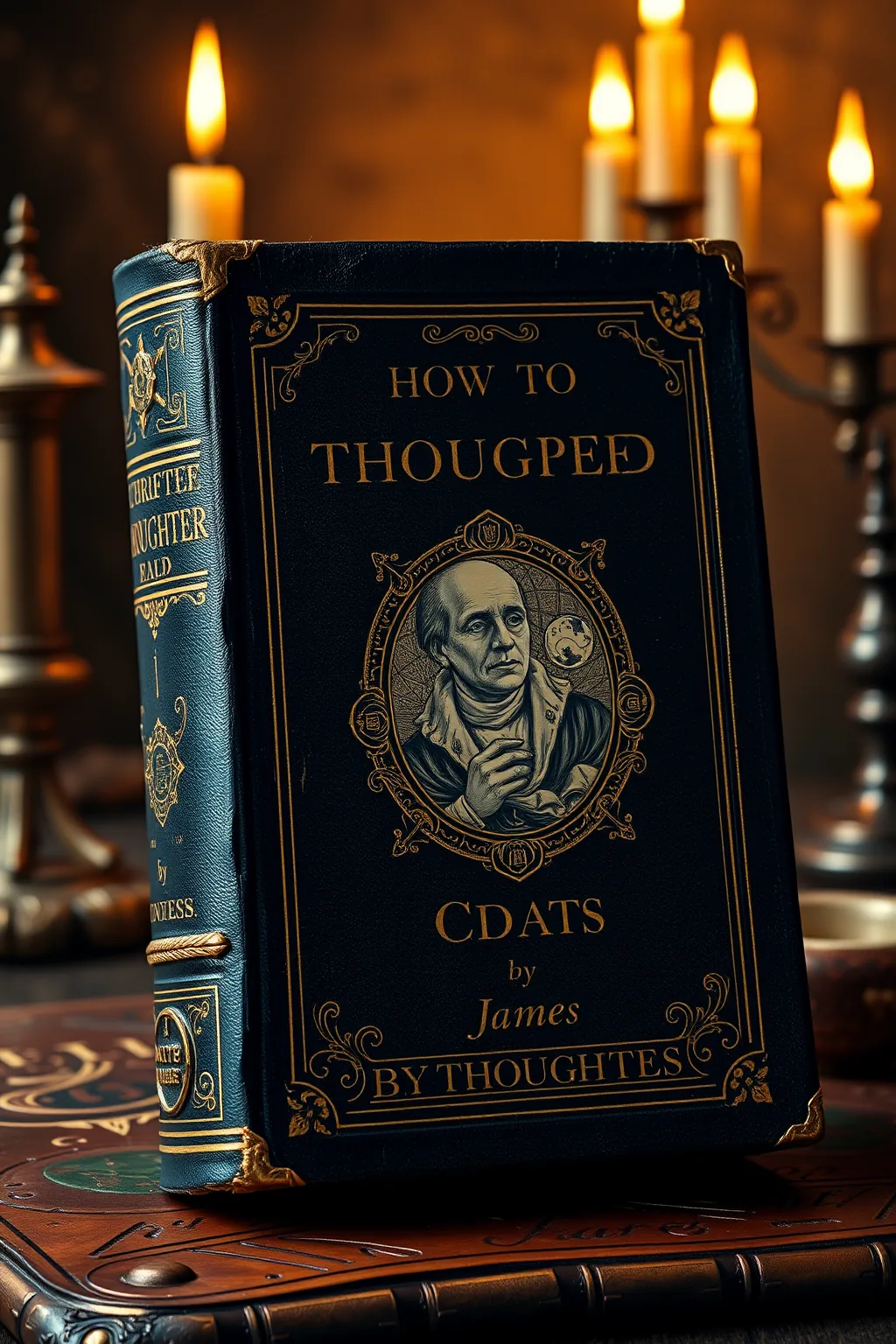
How to thought-read: A manual of instruction in the strange and mystic in daily life, psychic phenomena, including hypnotic, mesmeric, and psychic states, mind and muscle reading, thought transference, psychometry, clairvoyance, and phenomenal spiritualism
 69
69

How to thought-read: A manual of instruction in the strange and mystic in daily life, psychic phenomena, including hypnotic, mesmeric, and psychic states, mind and muscle reading, thought transference, psychometry, clairvoyance, and phenomenal spiritualism



James Coates' 'How to Thought-Read' is a treasure trove of esoteric knowledge that remains relevant for modern seekers of the occult. Published in 1843, this manual offers a detailed and comprehensive guide to a wide array of psychic phenomena, making it a valuable resource for both historical context and practical application. Coates' writing is clear and engaging, providing readers with a solid foundation in the principles of clairvoyance, spiritualism, and telepathy. For those interested in the intersection of mysticism and daily life, this book is an essential read. It not only offers insights into the mystical practices of the 19th century but also provides timeless wisdom that can be applied to contemporary spiritual and psychological exploration. Despite its age, 'How to Thought-Read' holds up as a valuable and enlightening text for anyone interested in the esoteric arts.
📝 Description
69
James Coates published 'How to Thought-Read' in 1911, detailing psychic phenomena and mind reading.
This 1911 manual by James Coates instructs readers on the practices and understanding of psychic phenomena. It covers hypnotic and mesmeric states, as well as mind and muscle reading techniques. The book also addresses thought transfer and other psychic abilities, framing them within the context of daily life.
Coates presents these subjects as accessible to the average person, aiming to demystify what was then considered strange or mystic. The text is structured as a guide, intended to help individuals develop or recognize these latent mental capacities. It seeks to illuminate the connections between the human mind, its less understood states, and the broader spiritual or psychic world.
The book is written for those interested in exploring the potential of consciousness beyond ordinary perception. It aims to provide a framework for understanding and potentially practicing what it terms 'thought reading' and related psychic arts.
Published in 1911, 'How to Thought-Read' belongs to the surge of interest in psychical research and occultism that characterized the late 19th and early 20th centuries. This era saw many authors attempting to codify and explain phenomena beyond conventional scientific understanding, often drawing from spiritualism, mesmerism, and early psychology. Coates's work fits within this tradition of practical manuals designed to instruct individuals in perceived psychic abilities, distinguishing it from purely theoretical or philosophical treatises.
✍️ Author

Coates, James
Ta-Nehisi Paul Coates ( TAH-nə-HAH-see; born September 30, 1975) is an American author, journalist, and activist. He gained a wide readership during his time as national correspondent at The Atlantic, where he wrote about cultural, social, and political iss…
💡 Why Read This Book?
Reading 'How to Thought-Read' today offers a unique opportunity to explore the roots of modern psychic and spiritual practices. This book provides a historical perspective on clairvoyance, spiritualism, and telepathy, making it an invaluable resource for both academic study and personal spiritual growth. Whether you are a seasoned practitioner or a curious novice, this manual offers practical insights and foundational knowledge that can enhance your understanding and practice of the mystical arts. By delving into the world of psychic phenomena as described by Coates, readers can gain a deeper appreciation for the enduring fascination with the occult and its relevance in contemporary times.
⭐ Reader Reviews
Honest opinions from readers who have explored this book.
❓ Frequently Asked Questions
What is the main focus of 'How to Thought-Read'?
The main focus of 'How to Thought-Read' is to provide a manual of instruction in various psychic phenomena, including hypnotic and mesmeric states, thought transference, and clairvoyance.
Is this book suitable for beginners in the occult?
Yes, 'How to Thought-Read' is suitable for beginners as it offers a comprehensive and accessible introduction to the principles of psychic and spiritual practices.
What historical context does this book provide?
Published in 1843, this book reflects the spiritual and intellectual curiosities of the 19th century, a time when interest in the occult and spiritualism was growing.
🔮 Key Themes & Symbolism
Psychic Phenomena
This book examines various psychic phenomena, including thought transference, clairvoyance, and spiritualism. It provides a mystical angle on how these phenomena can be understood and practiced, offering readers a deeper connection to the supernatural.
Mind and Muscle Reading
Coates explores the intricacies of mind and muscle reading, revealing the hidden connections between the mind and the body. This theme is crucial for understanding the esoteric dimensions of human consciousness and the potential for psychic development.
Spiritualism and Telepathy
The book examines the world of spiritualism and telepathy, offering insights into the mystical connections between individuals and the spiritual realm. This theme is essential for those seeking to explore the deeper dimensions of human experience and the supernatural.
💬 Memorable Quotes
Direct passages from the work, attributed to the author.
“Clairvoyance is the key to unlocking the secrets of the spiritual world.”
— Coates highlights the importance of clairvoyance in connecting with the supernatural.
“The practice of psychometry reveals the hidden stories embedded in everyday objects.”
— This insight underscores the book's exploration of the esoteric dimensions of everyday experiences.
“Spiritualism offers a pathway to understanding the deeper dimensions of existence.”
— Coates' words encourage readers to explore the profound connections between the human spirit and the supernatural.
💡 Key Ideas
Editorial paraphrase of the work's core concepts — not direct quotes.
The mind is a vast and mysterious landscape, filled with hidden treasures and unexplored realms.
This quote underscores the book's focus on the depth and mystery of the human psyche.
Telepathy is a bridge between souls, allowing for communication beyond the physical realm.
This quote emphasizes the mystical potential of telepathy in bridging the gap between individuals.
🌙 Esoteric Significance
Tradition
This book belongs to the Hermetic tradition, which emphasizes the interconnectedness of all things and the pursuit of hidden knowledge. It draws on ancient esoteric wisdom to explore the mysteries of the mind and spirit.
Symbolism
Key symbols in the book include the mind's eye, representing clairvoyance, and the concept of psychic energy, which is seen as a force that connects all living beings. These symbols are central to understanding the esoteric dimensions of human experience.
Modern Relevance
Today, 'How to Thought-Read' remains relevant for modern practitioners of the occult and mysticism. Its insights into psychic phenomena continue to inspire those seeking to explore the deeper dimensions of consciousness and the supernatural.
👥 Who Should Read This Book
Beginners interested in the occult will find this book an accessible introduction to psychic phenomena. Scholars of mysticism will appreciate its depth and esoteric insights. Spiritual seekers will be inspired by its exploration of the supernatural, while practitioners of psychic arts will benefit from its practical techniques and exercises. Whether you are new to the world of the mystical or a seasoned explorer, this book offers valuable knowledge and enlightenment.
📜 Historical Context
Written in an era when interest in spiritualism and psychic phenomena was at its peak, 'How to Thought-Read' by James Coates captures the zeitgeist of the late 19th and early 20th centuries. This period saw a surge in fascination with the occult and the supernatural, driven by a desire to understand the unseen forces that govern our lives. Coates' work was influential in popularizing the study of psychic phenomena, providing a comprehensive guide for both scholars and practitioners. Its legacy endures, inspiring modern explorations of the mystical and the occult.
📔 Journal Prompts
Reflect on a personal experience that might be explained by psychic phenomena.
Consider how the concept of clairvoyance could enhance your understanding of the world.
Explore the idea of telepathy and its potential impact on human communication.
Write about an object that holds personal significance and its possible psychic energy.
Imagine a world where spiritualism is a widely accepted practice and its implications.
🗂️ Glossary
Clairvoyance
The psychic ability to perceive information beyond the range of ordinary senses.
Telepathy
The direct transmission of thoughts from one person to another without the use of sensory channels.
Psychometry
The psychic ability to gain information about an object or its owner by touch.
Spiritualism
The belief in the ability to communicate with spirits of the deceased.
Psychic Phenomena
Events or experiences that are not currently explainable by conventional science.
This book appears in 1 collection
🔮 Readers Also Liked
Browse all →

From the “Christian Mysticism” Collection
View all →






More Free Mysticism & Contemplation Books
View all →