Hermetic Philosophy

 62
62

Hermetic Philosophy

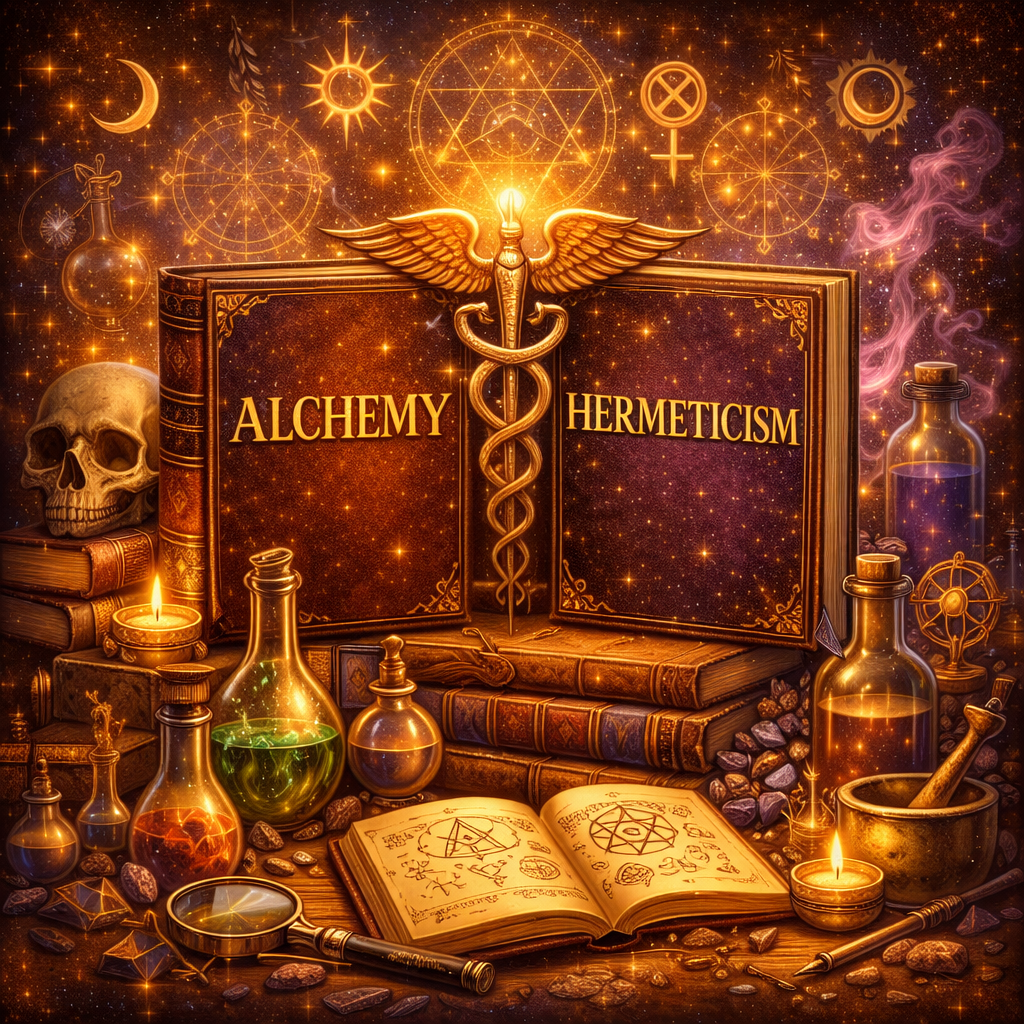

Review by Sophia Crane (Associate Editor) — Hermetic Philosophy by Paracelsus is a profound exploration of the mystical and the occult. Paracelsus' insights into alchemy and natural philosophy are both esoteric and enlightening, making this work a must-read for those interested in the hidden dimensions of reality. The strength of this book lies in its ability to blend ancient wisdom with practical knowledge, offering readers a unique perspective on the universe. Intended for scholars, seekers, and practitioners of the mystical arts, this treatise is a treasure trove of esoteric insights.
📝 Description
62
Paracelsus' Hermetic Philosophy, published in the 16th century, connects alchemy and medicine.
This book examines the principles of Hermetic Philosophy through the lens of 16th-century physician and alchemist Paracelsus. It discusses the relationship between the microcosm of humanity and the macrocosm of the universe, a core tenet of Hermetic thought. The text addresses the practical applications of alchemy, moving beyond mere transmutation of metals to its role in understanding natural processes and healing.
Paracelsus details his views on the four elements, the three principles of sulfur, mercury, and salt, and the influence of celestial bodies on earthly phenomena. He argues for a unified understanding of nature, where spiritual and material realms are intrinsically linked. The work is aimed at those interested in the philosophical underpinnings of alchemy and its connection to medicine and natural sciences.
Hermetic Philosophy is a tradition rooted in the Hellenistic period, attributed to the legendary figure Hermes Trismegistus. It encompasses a wide range of philosophical, religious, and esoteric ideas concerning the nature of the universe, divinity, and humanity's place within it. Paracelsus, a Renaissance physician and alchemist, drew heavily from this tradition, integrating its concepts of correspondence, energetic principles, and spiritual transformation into his own medical and alchemical theories. His work became a significant bridge between medieval alchemy and the emerging scientific inquiry of his time.
💡 Why Read This Book?
Read Hermetic Philosophy to gain a deeper understanding of the mystical traditions that have shaped Western thought. Ideal for seekers of hidden knowledge, scholars of esoterica, and practitioners of the mystical arts, this book offers a rich tapestry of symbolism and philosophical depth. Paracelsus' writings provide a bridge between the spiritual and the scientific, making it a valuable resource for anyone interested in the occult.
⭐ Reader Reviews
Honest opinions from readers who have explored this book.
❓ Frequently Asked Questions
What is the main theme of Hermetic Philosophy?
The main theme of Hermetic Philosophy is the exploration of alchemy, natural philosophy, and the interconnectedness of all things. Paracelsus delves into the mystical dimensions of reality, offering readers a profound understanding of the hidden knowledge that underpins the universe.
Who is the intended audience for this book?
The intended audience for Hermetic Philosophy includes scholars of esoterica, seekers of hidden knowledge, and practitioners of the mystical arts. This book is ideal for anyone interested in the occult and the mystical traditions that have shaped Western thought.
What makes Hermetic Philosophy unique?
Hermetic Philosophy is unique in its integration of mystical thought with empirical observation. Paracelsus' writings offer a holistic view of the universe, revealing the interconnectedness of all things and providing readers with a rich tapestry of symbolism and philosophical depth.
How does this book contribute to the study of alchemy?
This book contributes to the study of alchemy by exploring the mystical dimensions of the art. Paracelsus' insights into alchemy offer readers a deeper understanding of the hidden knowledge that underpins this ancient practice, making it a valuable resource for scholars and practitioners alike.
What is the significance of symbolism in Hermetic Philosophy?
Symbolism plays a crucial role in Hermetic Philosophy, as it serves as a means of conveying hidden knowledge and mystical insights. Paracelsus' use of symbolism invites readers to transcend the mundane and embrace the transcendent, revealing the interconnectedness of all things.
🔮 Key Themes & Symbolism
Alchemy and Transformation
Paracelsus' exploration of alchemy in Hermetic Philosophy looks at the mystical dimensions of this ancient art. Alchemy is not merely a physical process but a spiritual journey of transformation and enlightenment. Through his writings, Paracelsus reveals the hidden knowledge that underpins alchemy, offering readers a deeper understanding of the interconnectedness of all things.
Natural Philosophy
Natural philosophy is a central theme in Hermetic Philosophy, as Paracelsus seeks to understand the natural world through a mystical lens. He integrates empirical observation with spiritual insight, providing a holistic view of the universe. This theme invites readers to explore the hidden dimensions of reality and the interconnectedness of all things.
Symbolism and Hidden Knowledge
Symbolism is a powerful tool in Hermetic Philosophy, used to convey hidden knowledge and mystical insights. Paracelsus' use of symbolism invites readers to transcend the mundane and embrace the transcendent. By decoding the symbols in his writings, readers can gain a deeper understanding of the mystical traditions that have shaped Western thought.
💬 Memorable Quotes
Direct passages from the work, attributed to the author.
“Alchemy is the art of transformation, both physical and spiritual.”
— Paracelsus highlights the dual nature of alchemy, emphasizing its role in spiritual enlightenment.
“Symbols are the language of the divine, revealing hidden knowledge to those who understand.”
— Paracelsus' use of symbolism is a key aspect of his mystical teachings, inviting readers to explore the hidden dimensions of reality.
💡 Key Ideas
Editorial paraphrase of the work's core concepts — not direct quotes.
The universe is a harmonious whole, where every part reflects the divine.
This quote underscores the interconnectedness of all things, a central theme in Hermetic Philosophy.
The natural world is a manifestation of the divine.
This quote illustrates Paracelsus' integration of mystical thought with empirical observation.
The seeker of truth must transcend the mundane to embrace the transcendent.
This quote encourages readers to begin a spiritual journey of enlightenment and transformation.
🌙 Esoteric Significance
Tradition
Hermetic Philosophy belongs to the Hermetic tradition, which encompasses a wide range of mystical and occult practices. This tradition emphasizes the search for hidden knowledge and the integration of mystical thought with empirical observation. Paracelsus' work is a key text in this tradition, offering insights into the interconnectedness of all things and the transformative power of alchemy.
Symbolism
Key symbols in Hermetic Philosophy include the philosopher's stone, the alchemical process, and the microcosm-macrocosm relationship. These symbols represent the transformative journey of the seeker, the integration of mystical thought with empirical observation, and the interconnectedness of the individual and the universe, respectively. Understanding these symbols is crucial for deciphering the hidden knowledge in Paracelsus' writings.
Modern Relevance
Hermetic Philosophy remains relevant today, as modern practitioners and scholars continue to explore its mystical insights. Contemporary alchemists, spiritual seekers, and esoteric scholars draw upon Paracelsus' teachings to deepen their understanding of the occult and the mystical traditions that have shaped Western thought. His work serves as a valuable resource for those seeking to integrate mystical thought with empirical observation in their own spiritual journeys.
👥 Who Should Read This Book
Beginners interested in the mystical and occult will find Hermetic Philosophy an enlightening introduction to the esoteric traditions. Scholars of esoterica will appreciate the depth of Paracelsus' insights and the integration of mystical thought with empirical observation. Spiritual seekers will be inspired by the transformative power of alchemy and the interconnectedness of all things. Practitioners of the mystical arts will find valuable resources and techniques for deepening their practice.
📜 Historical Context
Hermetic Philosophy was written during the Renaissance, a time of great intellectual and cultural flourishing. Paracelsus' work was important because it bridged the gap between the mystical traditions of the past and the emerging scientific thought of the time. His writings influenced many subsequent thinkers and practitioners in the fields of alchemy, astrology, and natural philosophy, shaping the course of Western esoterica.
📔 Journal Prompts
Reflect on the interconnectedness of all things as described in Hermetic Philosophy. How does this concept apply to your own life?
Consider the transformative power of alchemy. What areas of your life could benefit from a process of spiritual transformation?
Explore the use of symbolism in Hermetic Philosophy. How do symbols convey hidden knowledge and mystical insights?
Reflect on the integration of mystical thought with empirical observation. How can this approach enhance your understanding of the natural world?
Consider the journey of the seeker of truth. What steps can you take to transcend the mundane and embrace the transcendent in your own life?
🗂️ Glossary
Alchemy
An ancient mystical art focused on the transformation of matter and the pursuit of spiritual enlightenment.
Hermetic Tradition
A mystical and occult tradition emphasizing the search for hidden knowledge and the integration of mystical thought with empirical observation.
Natural Philosophy
The study of the natural world through a mystical lens, integrating empirical observation with spiritual insight.
Symbolism
The use of symbols to convey hidden knowledge and mystical insights, inviting readers to explore the hidden dimensions of reality.
Microcosm-Macrocosm Relationship
The interconnectedness of the individual and the universe, where the individual reflects the divine harmony of the cosmos.
This book appears in 3 collections
🔮 Readers Also Liked
Browse all →









More by Paracelsus
All books →





From the “Hermeticism” Collection
View all →








More Free Alchemy & Hermeticism Books
View all →