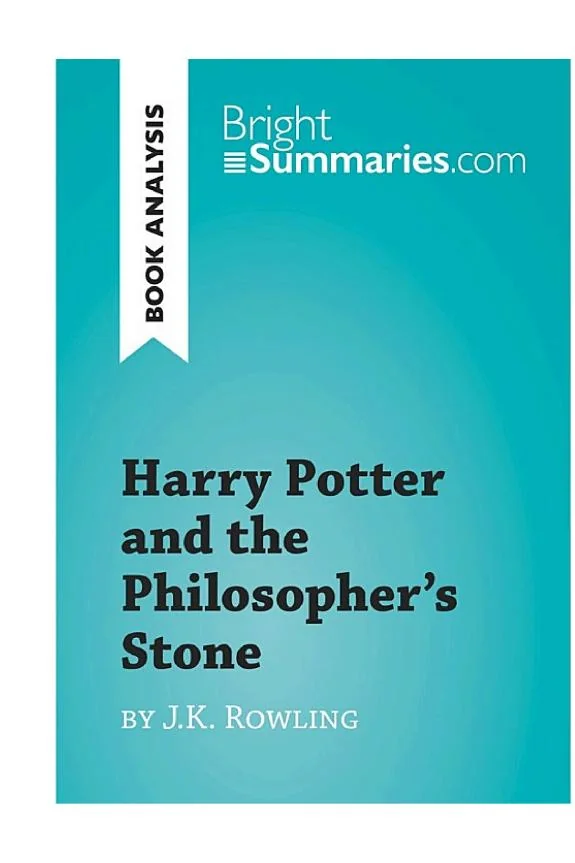
Harry Potter and the Philosopher's Stone by J.K. Rowling (Book Analysis)
 79
79

Harry Potter and the Philosopher's Stone by J.K. Rowling (Book Analysis)


📝 Description
79
J.K. Rowling's 1997 novel introduces Harry Potter to a world of magic and alchemy.
Harry Potter and the Philosopher's Stone, published in 1997, recounts Harry's initial year at Hogwarts School of Witchcraft and Wizardry. Upon discovering he is a wizard, Harry learns about his past and the wizarding world. At Hogwarts, he begins his magical training, forms friendships with Ron Weasley and Hermione Granger, and joins the Quidditch team. The narrative follows Harry's efforts to protect the titular Philosopher's Stone from the dark wizard Lord Voldemort, who seeks it to regain power. This first installment establishes the magical setting and introduces key characters and conflicts that shape the subsequent books in the series.
The story details Harry's adjustment to life away from the Dursleys and his integration into the magical community. He confronts challenges that test his courage and nascent magical abilities. The discovery of the Stone, and the attempts to secure it, form the central plot. The book also touches upon Harry's connection to his deceased parents and the lingering threat of Voldemort, setting the stage for his larger destiny. It is the beginning of a seven-book saga.
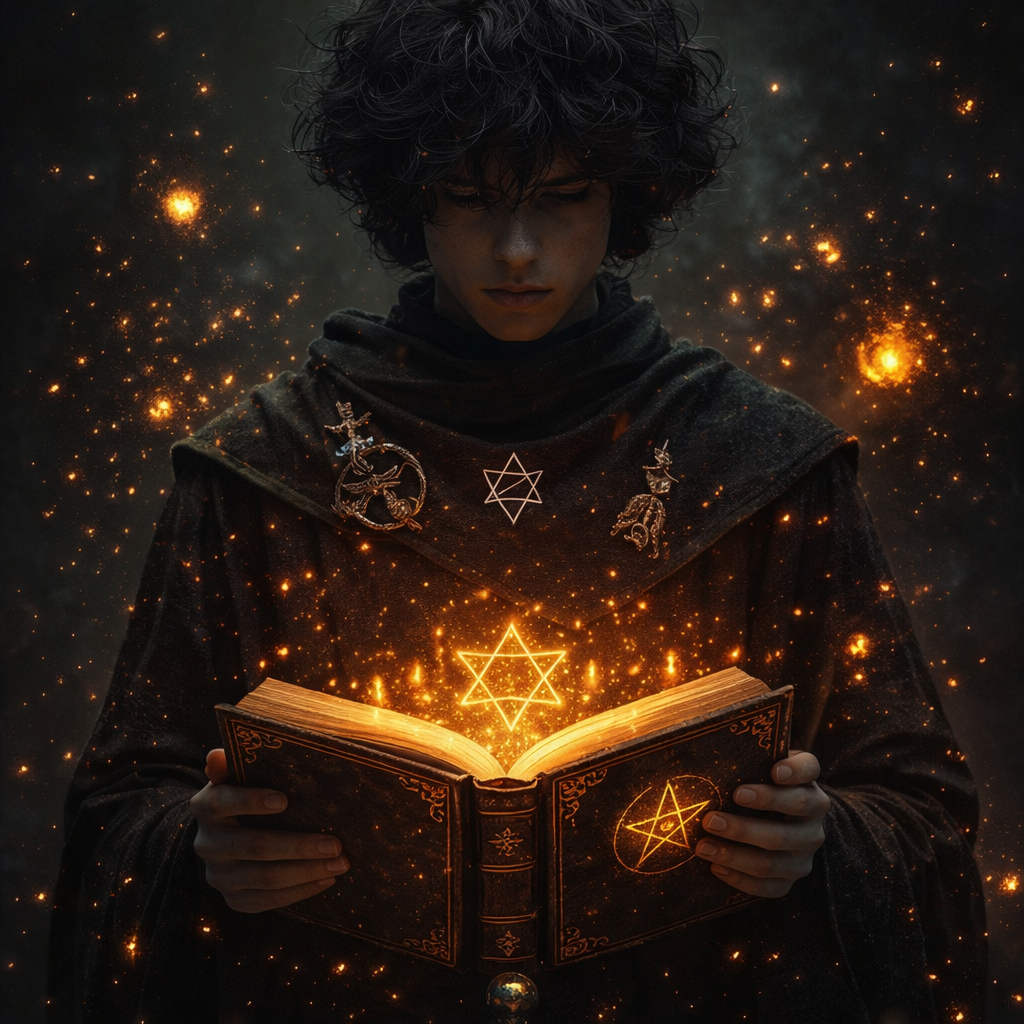
While framed as a children's fantasy, the novel incorporates elements that resonate with alchemical symbolism. The Philosopher's Stone itself is a central concept in alchemy, representing transformation and the pursuit of perfection, often interpreted as spiritual or material. Harry's journey can be seen as a symbolic alchemical process: his initial ignorance and trauma (the prima materia) are transformed through trials and purification (the work) into a stronger, more self-aware individual, akin to the creation of the Stone. The themes of overcoming darkness and achieving spiritual enlightenment align with Hermetic principles.
⭐ Reader Reviews
Honest opinions from readers who have explored this book.
This book appears in 1 collection
🔮 Readers Also Liked
Browse all →









From the “Philosopher's Stone” Collection
View all →







More Free Occult Philosophy Books
View all →