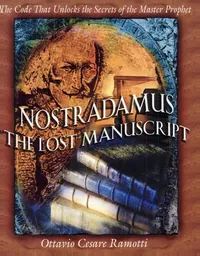
He Came to Set the Captives Free

 71
71

He Came to Set the Captives Free
Rebecca Brown’s "He Came to Set the Captives Free" presents a raw, unvarnished account of spiritual encounters that some readers may find compelling, while others will find it alarmingly literal. The book’s strength lies in its unwavering conviction; Brown writes with an authority that suggests direct experience, detailing specific entities and the methods used to combat them. The narrative surrounding the alleged influence of entities on daily life, particularly the concept of "pacts" and their supposed remediation, is arresting. However, the work's limitation is its highly specific theological lens and the lack of critical distance. The assertion that certain entities, like "Baal" or "Ashtar," directly control specific human actions or societal structures, as presented in passages discussing widespread occult infiltration, demands a leap of faith that many will be unwilling or unable to make. Without external verification or a more nuanced discussion of psychological factors, the book risks alienating readers who seek a more balanced perspective on spiritual phenomena. It serves as a potent example of a particular strain of spiritual warfare literature, but its applicability is largely confined to those already operating within its established framework.
📝 Description
71
Published in 1986, Rebecca Brown's "He Came to Set the Captives Free" details encounters with spiritual forces.
This book presents a Christian theological and experiential account of spiritual warfare and deliverance ministries. Rebecca Brown wrote it to detail perceived encounters with spiritual forces and their influence on human lives. The work frames these experiences within a specific Christian worldview, aiming to expose and counter what the author identifies as occult manipulation and spiritual bondage.
It is intended for individuals who believe they are experiencing spiritual oppression or are involved in deliverance ministries. Readers within certain Christian circles interested in a particular perspective on spiritual warfare will also find it relevant. Those seeking accounts of supernatural encounters and theological interpretations of spiritual conflict, particularly within the context of Chick Publications' style, may find this material of interest.
Published in 1986, "He Came to Set the Captives Free" emerged during a period of intensified interest in spiritual warfare within some evangelical Christian communities. This era saw a rise in literature and ministries focusing on demonology, exorcism, and spiritual mapping. The book's direct approach reflects a segment of this movement, contrasting with more academic theological views. Chick Publications was known for its distinctive tract-like dissemination of specific theological viewpoints.
💡 Why Read This Book?
• Gain insight into specific deliverance ministry narratives originating from the 1980s Christian counter-culture, understanding the detailed accounts of spiritual entities and their perceived influence. • Explore the theological framework of spiritual warfare as presented by Rebecca Brown, focusing on concepts like spiritual authority and the methods for countering demonic influence described in the book. • Examine the historical context of works published by Chick Publications in the late 20th century, recognizing how "He Came to Set the Captives Free" fits into a broader landscape of evangelical literature on the occult and spiritual conflict.
⭐ Reader Reviews
Honest opinions from readers who have explored this book.
❓ Frequently Asked Questions
When was "He Came to Set the Captives Free" first published?
The book was first published in 1986 by Chick Publications, with later editions appearing. This places its origin within a specific era of Christian literature addressing spiritual warfare.
What is the central theme of "He Came to Set the Captives Free"?
The central theme is spiritual warfare, focusing on identifying and overcoming perceived demonic influence and spiritual bondage through prayer, faith, and specific deliverance practices.
Who is the author, Rebecca Brown?
Rebecca Brown is an author known for her works on spiritual warfare and deliverance ministries within certain Christian circles. "He Came to Set the Captives Free" is one of her notable publications.
What kind of entities does the book discuss?
The book discusses various spiritual entities, often referred to as demons or fallen angels, detailing their alleged roles in human lives and the methods for their expulsion.
Where was the original publication of the book?
The original publication of "He Came to Set the Captives Free" was by Chick Publications, located in Chino, California.
Does the book offer practical steps for spiritual deliverance?
Yes, the book aims to provide practical guidance and theological justification for individuals engaged in or seeking to understand spiritual deliverance from perceived demonic oppression.
🔮 Key Themes & Symbolism
Spiritual Warfare and Deliverance
The core of the book lies in its detailed exploration of spiritual warfare, framed as a direct conflict between divine and demonic forces. Brown outlines a methodology for identifying and expelling entities believed to be causing spiritual bondage or oppression. This involves asserting spiritual authority, employing specific prayer protocols, and recognizing the signs of demonic influence in individuals and environments. The work emphasizes that this is an active, ongoing battle requiring vigilance and faith from believers, drawing on a particular interpretation of biblical passages concerning spiritual authority and warfare.
Entity Identification and Classification
A significant portion of the text is dedicated to identifying and categorizing various spiritual entities. Brown provides descriptions and alleged functions of different demonic forces, often attributing specific domains or influences to them, such as those related to occult practices or societal control. This classification serves as a diagnostic tool for those engaged in deliverance ministry, enabling them to recognize the nature of the spiritual opposition they face. The specificity in naming and describing these entities is a hallmark of the book's approach to spiritual conflict.
Spiritual Authority and Binding
The concept of spiritual authority is paramount in "He Came to Set the Captives Free." Brown asserts that believers, through their faith in Christ, possess inherent authority over demonic forces. The book details how this authority is to be exercised, particularly through binding and loosing, concepts derived from biblical scripture. This involves commanding entities to depart and severing their influence over individuals or situations. The effectiveness of these actions is presented as contingent upon the believer's understanding and application of this divine authority.
Occult Influence and Counteraction
The work posits that occult practices, whether intentional or unintentional, can open doors for demonic influence. Brown details how various forms of occultism are perceived to establish spiritual footholds, leading to bondage. Consequently, a major theme is the counteraction of these influences. This involves renouncing occult connections, breaking spiritual pacts, and cleansing oneself or environments from residual demonic presence. The book serves as a guide for recognizing and dismantling such perceived occult-related spiritual entanglements.
💬 Memorable Quotes
Direct passages from the work, attributed to the author.
“The enemy has infiltrated many areas and many people.”
— This statement captures the book's pervasive view of spiritual warfare, suggesting that demonic forces are not merely external threats but have actively and extensively penetrated various aspects of human life and society.
“You have authority to bind the demons.”
— This highlights the core theological tenet of spiritual authority granted to believers, emphasizing their power to restrain or command demonic entities through faith and divine mandate.
“Demonic pacts can be broken.”
— This refers to the concept that agreements, often unknowingly made, with spiritual entities can be nullified and their effects removed through specific spiritual actions.
“Understanding the enemy's strategy is key.”
— This emphasizes the intellectual and strategic component of spiritual warfare, suggesting that knowledge of demonic tactics is crucial for effective resistance and deliverance.
“The Bible provides the blueprint for spiritual combat.”
— This points to the scriptural basis upon which the author builds her understanding of spiritual warfare, framing biblical narratives and commands as direct instructions for engaging with spiritual forces.
🌙 Esoteric Significance
Tradition
While rooted in a specific interpretation of Christian theology, the book touches upon themes common in esoteric traditions concerning the existence of unseen realms and entities that influence the material world. It departs from many Western esoteric lineages by strictly adhering to a biblical literalism and a singular, divinely ordained path to spiritual authority, eschewing syncretism or broader Gnostic or Hermetic frameworks. Its focus on 'deliverance' aligns with certain historical Christian practices aimed at spiritual purification and protection from malevolent spiritual forces.
Symbolism
The book doesn't heavily rely on traditional esoteric symbols but rather on the symbolic weight of biblical narratives and concepts. For instance, the 'authority' granted to believers can be seen as symbolic of their divine connection and power. The concept of 'spiritual bondage' functions symbolically to represent any form of oppression, be it psychological, physical, or spiritual, that hinders an individual's perceived divine purpose. The 'enemy' itself, while literalized, also serves as a potent symbol for any force that opposes spiritual freedom and well-being.
Modern Relevance
Contemporary relevance can be seen in the continued existence and evolution of deliverance ministries within various Christian denominations. Thinkers and practitioners in fields such as Christian psychology, spiritual abuse recovery, and charismatic theology may still reference or be influenced by the approaches and terminology found in works like Brown's. The book's direct engagement with perceived spiritual entities and warfare continues to resonate with those who adhere to a literal interpretation of spiritual conflict in the modern era.
👥 Who Should Read This Book
• Individuals involved in or seeking to understand specific deliverance ministries within a conservative Christian context, who will find practical, theological, and experiential accounts. • Researchers of 20th-century American religious movements, particularly the rise of the spiritual warfare and charismatic Christian movements, offering a primary source example. • Readers interested in comparative theology or the study of belief systems who wish to explore a particular, literalist interpretation of spiritual conflict and entity interaction.
📜 Historical Context
Published in 1986 by Chick Publications, "He Came to Set the Captives Free" emerged during a period of significant growth in the spiritual warfare movement within evangelical Christianity. This era saw figures like Hal Lindsey and the rise of deliverance ministries gain traction, often presenting a stark worldview of cosmic conflict. The book’s direct, confrontational style and specific claims about entity types and their operations aligned with this trend, distinguishing it from more academic theological discussions. While contemporary scholars might engage with Gnostic texts or Kabbalistic traditions, Brown’s work operated within a decidedly distinct, biblically literalist framework. Chick Publications was known for its widely distributed, tract-like materials that often simplified complex theological issues into clear narratives of good versus evil. The reception of such works was often polarized: embraced by those within the movement, and viewed with skepticism or outright dismissal by others who questioned the literal interpretation of spiritual phenomena or the potential for psychological projection.
📔 Journal Prompts
The concept of spiritual authority as presented by Brown: how does it manifest in your understanding?
Reflect on the 'enemy's strategy' discussed in the book; what parallels do you observe in contemporary life?
Analyze the narrative of 'demonic pacts' and their potential breaking; what personal or societal 'bindings' might be addressed?
Consider the interpretation of 'entity identification' and its role in spiritual conflict.
Examine the scriptural basis cited for spiritual combat and its application.
🗂️ Glossary
Spiritual Warfare
The belief and practice of engaging in conflict with spiritual entities, particularly demonic forces, through prayer, faith, and divine authority, to protect oneself or others from their influence.
Deliverance Ministry
A practice within certain Christian traditions focused on freeing individuals from perceived demonic oppression or spiritual bondage through prayer, exorcism, and spiritual authority.
Spiritual Bondage
A state of being under the control or negative influence of spiritual entities, hindering an individual's spiritual freedom, well-being, or ability to live according to divine principles.
Spiritual Authority
The power and right granted to believers, through their faith in Christ, to command and overcome demonic forces and their influence.
Binding and Loosing
Biblically derived concepts referring to the power to restrain (bind) or permit/release (loose) spiritual forces or their effects, exercised by believers.
Occult Influence
The perceived negative impact or entry point for demonic forces into an individual's life or environment, stemming from involvement in or exposure to occult practices.
Entities
In this context, refers to spiritual beings, specifically demonic spirits or fallen angels, believed to actively interfere in the human realm.
This book appears in 1 collection
🔮 Readers Also Liked
Browse all →








From the “Witchcraft” Collection
View all →






More Free Occult Philosophy Books
View all →