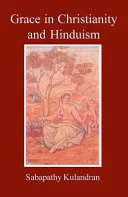
Grace in Christianity and Hinduism
 81
81

Grace in Christianity and Hinduism
Sabapathy Kulandran’s Grace in Christianity and Hinduism offers a meticulous, if somewhat dry, comparative analysis of a pivotal theological concept. The strength of the work lies in its scholarly detachment; Kulandran avoids syncretic oversimplification, presenting distinct theological landscapes with considerable research. He meticulously details the Christian understanding of grace as unmerited divine favor, particularly in light of Augustine’s influence, and then contrasts this with the multifaceted concept of *kripa* in Hinduism, acknowledging its varied interpretations across different schools of thought. A limitation is the book's academic tone, which can make it less accessible to a general audience seeking spiritual rather than strictly theological insights. The section contrasting the roles of divine will versus human effort in salvation across both traditions is particularly illuminating, highlighting subtle yet significant differences. Ultimately, the book serves as a valuable, if demanding, resource for understanding theological distinctions.
📝 Description
81
Sabapathy Kulandran's 2004 book compares grace in Christianity and Hinduism.
Published in 2004, Sabapathy Kulandran's comparative theological study examines the doctrine of grace within Christianity and Hinduism. Bishop Kulandran wrote the book from a desire for deeper understanding and dialogue between Eastern and Western spiritual traditions as the 21st century began. He approaches the subject with scholarly rigor, aiming for an objective analysis of how the concept appears and matters in both Christian and Hindu thought.
The book is for scholars of comparative religion, theology students, and those seriously interested in the overlap of Christianity and Hinduism. It suits readers who want to go beyond simple comparisons and engage with the theological underpinnings of these faiths. Those who value detailed textual analysis and a historical view of religious doctrines will find this work especially useful.
In the early 2000s, interfaith dialogue grew, moving toward deeper theological engagement. Kulandran's work appeared then, addressing what seemed like a crucial examination between Christianity and other global religions. Its publication contributed to the ongoing academic and theological discussion on religious pluralism and the difficulties of comparing doctrines like "grace."
This work enters the tradition of comparative mysticism, seeking common ground and distinct expressions of divine favor across vastly different religious systems. It moves beyond superficial parallels to analyze the theological architecture supporting the concept of grace in both Christianity and Hinduism. By examining how divine assistance or unmerited favor functions within each tradition's path to liberation or salvation, the book contributes to a scholarly understanding of spiritual experience and theological development.
💡 Why Read This Book?
• Gain a nuanced understanding of the Christian doctrine of grace, as explored through Kulandran's detailed exposition of its theological underpinnings, allowing for a clearer grasp of its role in salvation. • Appreciate the concept of *kripa* within Hinduism, learning how it differs from and sometimes intersects with Christian grace, as examined by Kulandran's comparative approach. • Grasp the historical context of interfaith dialogue in the early 2000s, understanding how Bishop Kulandran’s work contributed to scholarly conversations about theological encounters between East and West.
⭐ Reader Reviews
Honest opinions from readers who have explored this book.
❓ Frequently Asked Questions
What is the primary theological concept explored in Grace in Christianity and Hinduism?
The book's primary focus is the doctrine of grace, examining its meaning and function within both Christian theology and Hindu philosophical traditions, particularly the concept of *kripa*.
When was Grace in Christianity and Hinduism first published?
Grace in Christianity and Hinduism was first published in 2004, marking an early 21st-century contribution to comparative religious studies.
Who is the author of Grace in Christianity and Hinduism?
The author is Sabapathy Kulandran, a bishop whose background informs his scholarly approach to theological comparison.
What is the main objective of Kulandran's study?
Kulandran aims to provide an objective and scholarly appraisal of the similarities and differences in the doctrine of grace between Christianity and Hinduism.
What Hindu concept is frequently contrasted with Christian grace?
The Hindu concept of *kripa*, often translated as divine favor or grace, is frequently contrasted with the Christian understanding of grace throughout the book.
What kind of reader would benefit most from this book?
Scholars of comparative religion, theology students, and serious students of interfaith dialogue seeking detailed theological analysis would benefit most.
🔮 Key Themes & Symbolism
The Nature of Divine Grace
The work meticulously dissects the Christian understanding of grace as an unmerited, divine gift essential for salvation, often referencing Augustinian theology. It then contrasts this with the Hindu concept of *kripa*, which, while encompassing divine favor, can also be influenced by karma and the devotee's actions. Kulandran explores how the differing conceptions of the divine-human relationship fundamentally shape the experience and theological articulation of grace in each tradition.
Soteriology and Grace
A central theme is how the doctrine of grace relates to each religion's path to liberation or salvation (*moksha* in Hinduism, salvation in Christianity). Kulandran examines whether grace is a prerequisite, a supplement, or an outcome of spiritual effort in both systems. He highlights how Christian soteriology often emphasizes dependence on divine intervention, while Hindu paths may integrate divine grace with personal striving and karmic considerations.
Comparative Theological Method
Kulandran’s approach itself is a theme, demonstrating a method for rigorous comparison between distinct religious frameworks. The book eschews simplistic equivalences, instead focusing on identifying subtle distinctions and potential areas of convergence. This method is crucial for understanding the intellectual climate of the early 2000s, which sought deeper, more academic interfaith engagement beyond superficial similarities.
The Role of Divine Will
The book investigates the interplay between divine will and human agency in achieving spiritual goals. In Christianity, grace is often seen as an act of God's sovereign will, while Hindu traditions may present a more complex interaction where divine will operates alongside or within the framework of *karma* and individual effort, shaping the perception of divine action.
💬 Memorable Quotes
Direct passages from the work, attributed to the author.
“The result of considerable research and theological reflection, Bishop Kulandran's book is an objective and scholarly appraisal of Christianity and Hinduism.”
— This statement, from the original blurb, highlights the academic rigor and balanced perspective Kulandran brings to comparing these two complex religious systems.
“Bishop Kulandran's book on the central religious doctrine of Grace marks the first stage in the new encounter between Christianity and Hinduism.”
— This suggests the book is not merely descriptive but serves as a foundational text for a new era of scholarly and theological exchange between these two major world religions.
“An objective and scholarly appraisal of Christianity and Hinduism, their similarities and differences.”
— This emphasizes the book's commitment to a neutral, research-based examination, aiming to clarify points of both agreement and divergence without bias.
“The two different worlds in...”
— This phrase, cut short in the blurb, implies a significant exploration of the distinct cultural and philosophical contexts that shape the understanding of grace in each religion.
💡 Key Ideas
Editorial paraphrase of the work's core concepts — not direct quotes.
It is often said that the real confrontation between Christianity and the great religions of the world is only just beginning.
This quote frames the book's purpose within the context of early 21st-century interfaith dialogue, suggesting a need for deeper theological understanding as cultures increasingly interact.
🌙 Esoteric Significance
Tradition
While not strictly an 'esoteric' text in the vein of Hermeticism or Kabbalah, this work engages with the profound, often mystical, dimensions of grace within major world religions. It touches upon the experiential and salvific aspects that transcend purely intellectual understanding, aligning with a broader esoteric interest in divine intervention and liberation across traditions. It bridges comparative religion with the search for universal spiritual truths.
Symbolism
The concept of 'grace' itself functions as a potent symbol, representing divine favor, unmerited intervention, and the ultimate means of spiritual attainment. In Christianity, it symbolizes the transformative power of God's love, while in Hinduism, *kripa* can symbolize the guru's blessing or the devotee's surrender to the divine will. The book implicitly explores the symbolic weight of these concepts in shaping religious practice and belief.
Modern Relevance
Contemporary thinkers and spiritual practitioners interested in synthesizing or understanding the common threads in diverse spiritual paths find value here. It informs discussions on universalism in religion and the nature of divine-human interaction, relevant to movements like the Parliament of the World's Religions and scholars exploring embodied spirituality and the psychology of religious experience.
👥 Who Should Read This Book
• Comparative religion scholars and students: To gain a rigorous, scholarly framework for analyzing theological parallels and divergences between major faiths. • Theology students specializing in Christian or Hindu studies: To deepen understanding of the doctrine of grace and its specific manifestations within their respective fields. • Individuals engaged in interfaith dialogue: To equip themselves with nuanced theological insights that move beyond surface-level comparisons and foster deeper mutual understanding.
📜 Historical Context
Published in 2004, *Grace in Christianity and Hinduism* emerged during a period of burgeoning academic interest in comparative theology and interfaith studies. The early 21st century witnessed a shift from superficial interfaith greetings to more substantive theological discussions, aiming to bridge perceived divides. Bishop Sabapathy Kulandran’s work contributed to this trend by dissecting a core doctrine. This era saw scholars like John Hick advocating for a pluralistic understanding of world religions, though Kulandran’s approach remained more focused on detailed doctrinal comparison rather than broad philosophical reconciliation. The book’s objective appraisal sought to clarify the nuances of grace, a concept central to Christian soteriology, within the diverse range of Hindu thought, where related ideas like *kripa* exist but are understood through different philosophical lenses such as Advaita Vedanta or Bhakti traditions. The reception of such works often involved academic circles and theological seminaries, fostering dialogue among specialists.
📔 Journal Prompts
The Christian concept of unmerited divine favor and its Hindu counterpart, *kripa*.
The role of divine will versus human effort in salvation across Christianity and Hinduism.
How does the understanding of grace shape the ultimate goal of liberation in each tradition?
The historical context of interfaith theological encounters in the early 2000s.
Kulandran's scholarly appraisal of similarities and differences in religious doctrine.
🗂️ Glossary
Grace (Christian)
In Christian theology, unmerited divine assistance given to humans for their regeneration or sanctification. It is often understood as a free gift from God, essential for salvation.
Kripa (Hindu)
A Sanskrit term often translated as grace, favor, or compassion. In Hinduism, it can refer to divine benevolence, the grace of a guru, or the unmerited favor of a deity.
Soteriology
The branch of Christian theology dealing with the doctrine of salvation. More broadly, it refers to the study of salvation or liberation in any religion.
Moksha
In Hinduism, Buddhism, Jainism, and Sikhism, it refers to liberation or release from the cycle of death and rebirth (samsara). Different traditions offer various paths to achieve moksha.
Augustinian Theology
The theological doctrines of Saint Augustine of Hippo, particularly influential in Western Christianity, emphasizing original sin, predestination, and the necessity of divine grace for salvation.
Interfaith Dialogue
Communication and understanding between different religious or interfaith groups. In a scholarly context, it involves in-depth theological and philosophical comparison.
Theological Reflection
The process of critically examining and contemplating religious beliefs, doctrines, and practices, often involving scriptural study and philosophical reasoning.