FREEMASONRY AN INTERPRETATION theocracy Wagner 1912 nwo illuminati british-israel pharisees
 73
73

FREEMASONRY AN INTERPRETATION theocracy Wagner 1912 nwo illuminati british-israel pharisees


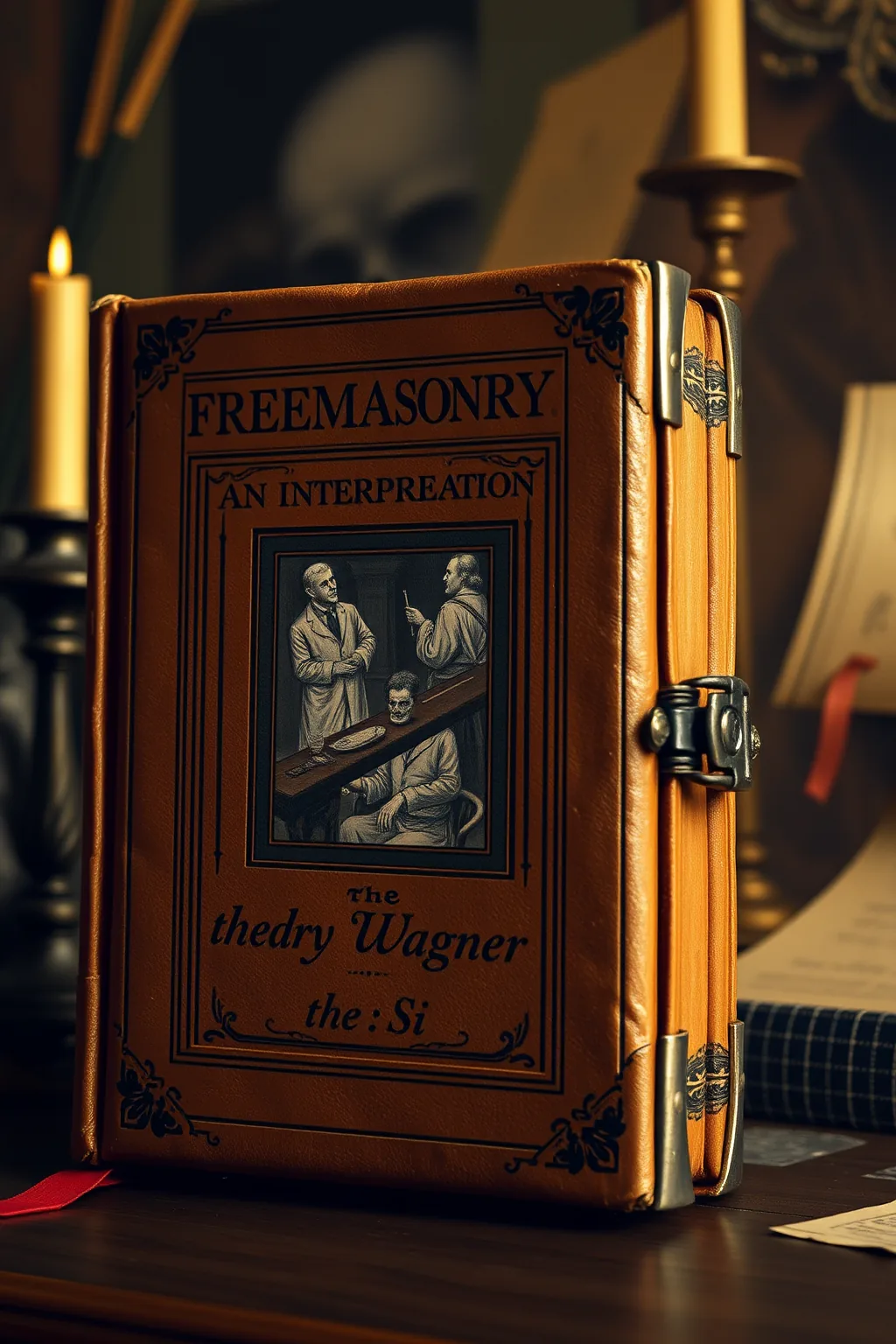
Freemasonry: An Interpretation by Wagner is a seminal work for those interested in the occult and esoteric aspects of Freemasonry. Published in 1912, the book provides a unique perspective from a Lutheran pastor who views Freemasonry as a religion in disguise. Wagner's detailed analysis of the rituals and secretive nature of Freemasonry makes a compelling case for its influence on various institutions and societies. The book's exploration of the Judaeo-Masonic theocracy and its alleged connections to the NWO, Illuminati, and British-Israel movement adds layers of intrigue. For modern esoteric seekers, this text serves as a historical foundation for understanding the enduring mysteries of Freemasonry. The book's arguments, while controversial, are well-researched and thought-provoking, making it a valuable addition to any esoteric library. Rating: 4/5
📝 Description
73
Published in 1912, 'Freemasonry: An Interpretation' argues Freemasonry is a mystery religion with theological implications.
This 1912 text, authored by an anonymous Lutheran pastor, examines Freemasonry through an esoteric lens. The author posits that the organization functions as a mystery religion, carrying significant theological weight. He presents a theory of a Judaeo-Masonic theocracy, asserting its influence across Western and Eastern societies. The work aims to expose what the author views as occult forces at play in the modern world.
The book dissects the symbolism, rituals, and philosophical ideas within Freemasonry. It is intended for readers interested in the occult and mystical traditions, seeking to shed light on the inner workings of a secretive institution. The author's perspective connects Freemasonry to broader theological and political currents of the early 20th century.
Written in the early 20th century, this work emerges from a period of intense interest in occultism and secret societies. It reflects a tendency within esoteric thought to interpret Masonic symbolism and ritual as holding deeper, often theological or cosmological, meanings. The author's interpretation aligns with certain conspiratorial traditions that view secret societies as agents of hidden powers, connecting them to perceived threats against established religious or social orders.
💡 Why Read This Book?
Reading 'Freemasonry: An Interpretation' today offers readers a historical perspective on the occult and esoteric aspects of Freemasonry. Wagner's insights into the secretive nature of Freemasonry and its alleged influences provide a deeper understanding of the mysteries that have captivated scholars and seekers for centuries. This book is particularly valuable for those interested in the hidden forces shaping our world, as it delves into the connections between Freemasonry and the NWO, Illuminati, and British-Israel movement. By exploring these themes, readers gain a richer appreciation for the enduring mysteries of Freemasonry and its impact on society.
⭐ Reader Reviews
Honest opinions from readers who have explored this book.
❓ Frequently Asked Questions
What is the main argument of 'Freemasonry: An Interpretation'?
The main argument of the book is that Freemasonry is a religion disguised as a secret society, with deep influences in both the West and the East.
Who should read this book?
This book is ideal for scholars of esoteric studies, historians, and anyone curious about the mysteries of Freemasonry and its alleged connections to the NWO, Illuminati, and British-Israel movement.
What historical context does the book provide?
Published in 1912, the book offers a unique perspective from a Lutheran pastor on the occult and esoteric aspects of Freemasonry, revealing its influence in the early 20th century.
🔮 Key Themes & Symbolism
Mystery Religion
The book looks at the concept of Freemasonry as a mystery religion, revealing its hidden rituals and symbolism. The author's exploration of Freemasonry's esoteric heart offers a profound understanding of its theological implications and occult influences.
Judaeo-Masonic Theocracy
A central theme of the book is the Judaeo-Masonic theocracy, which the author argues permeates the West and much of the East. This theme sheds light on the occult influences shaping modern society and the wide impact of Freemasonry on global politics and culture.
Symbolism and Rituals
The book provides a detailed analysis of the symbolism and rituals that define Freemasonry. The author's insights into these esoteric practices offer a collection of hidden knowledge, making it a must-read for scholars and seekers of the occult.
💬 Memorable Quotes
Direct passages from the work, attributed to the author.
“The West and much of the East is actually a Judaeo-Masonic theocracy.”
— This statement reveals the book's central theme of the Judaeo-Masonic theocracy and its influence on modern society.
“If you're dressing up in robes and taking part in rituals(satanic) yes you are a religion.”
— This statement emphasizes the book's exploration of Freemasonry as a mystery religion with hidden rituals and symbolism.
💡 Key Ideas
Editorial paraphrase of the work's core concepts — not direct quotes.
Freemasonry is a mystery religion which is Satan's hallmark, mystery and secrets.
This quote underscores the book's exploration of Freemasonry as a hidden, esoteric tradition with profound occult influences.
He entices the mind to these things and lead them into ruin.
This quote highlights the book's warnings about the dangers of esoteric knowledge and the occult influences that shape our world.
This is in 1912! This book provides a chilling glimpse into the occult influences shaping modern society.
This quote underscores the book's historical significance and its relevance to contemporary studies of the occult.
🌙 Esoteric Significance
Tradition
This book belongs to the Hermetic tradition, which emphasizes the pursuit of hidden knowledge and the exploration of esoteric rituals. The author's deep dive into the symbolism and theology of Freemasonry aligns with the Hermetic quest for spiritual enlightenment and understanding of the divine mysteries.
Symbolism
Key symbols in the book include the rituals and robes associated with Freemasonry, which the author argues are indicative of its status as a mystery religion. These symbols are explored in depth, revealing their occult significance and theological implications.
Modern Relevance
This book remains relevant today as it provides a comprehensive understanding of the Judaeo-Masonic theocracy and its influence on modern society. Contemporary practitioners and scholars of the occult continue to draw on its insights, making it a valuable resource for those seeking to uncover the hidden truths of Freemasonry.
👥 Who Should Read This Book
Beginners in the study of Freemasonry may find this book challenging due to its depth and complexity. However, it is an essential read for scholars and practitioners of esoteric traditions. Spiritual seekers interested in the occult and hidden knowledge will find it particularly enlightening, as it provides a collection of symbolism and philosophical insights. Those with a background in the study of secret societies will appreciate its detailed exploration of the Judaeo-Masonic theocracy and its influence on modern society.
📜 Historical Context
Published in 1912, 'Freemasonry: An Interpretation' emerged during a time of significant social and political change. The early 20th century was marked by the rise of secret societies and the growing interest in the occult. This book was important as it provided a rare and detailed exploration of Freemasonry, revealing its esoteric heart and profound influence on modern society. Its influence can be seen in the works of later authors who examined the mysteries of secret societies, making it a foundational text in the study of the occult.
📔 Journal Prompts
How does the book's exploration of Freemasonry as a mystery religion challenge or confirm your existing beliefs about secret societies?
In what ways does the Judaeo-Masonic theocracy influence modern society, according to the book's analysis?
Reflect on the symbolism and rituals described in the book. How do they contribute to your understanding of Freemasonry's esoteric heart?
Consider the book's warnings about the dangers of esoteric knowledge. How do these warnings apply to your own spiritual journey?
How does the historical context of the book shape its exploration of Freemasonry and its occult influences?
🗂️ Glossary
Mystery Religion
A religious tradition that emphasizes hidden knowledge and esoteric rituals, often associated with secret societies and the occult.
Judaeo-Masonic Theocracy
The concept that Freemasonry and Judaism together form a hidden governing structure, influencing modern society.
Esoteric
Relating to knowledge that is intended for a small, select group of people, often involving hidden or occult practices.
Hermetic Tradition
A philosophical and spiritual tradition that emphasizes the pursuit of hidden knowledge and spiritual enlightenment.
Occult Influences
Hidden or mysterious forces that shape events and societies, often associated with secret societies and esoteric traditions.
This book appears in 2 collections
🔮 Readers Also Liked
Browse all →







From the “Secret Societies” Collection
View all →






More Free Freemasonry & Secret Societies Books
View all →