What is Hypnosis?
Hypnosis is a state of human consciousness involving focused attention and reduced peripheral awareness, characterized by an enhanced capacity for response to suggestion. It is often described as a trance-like state, though this varies significantly. The practice has roots in ancient healing rituals and was formalized in the 18th century with mesmerism, later evolving through psychoanalytic and behavioral approaches.
Best Books for Complete Beginners
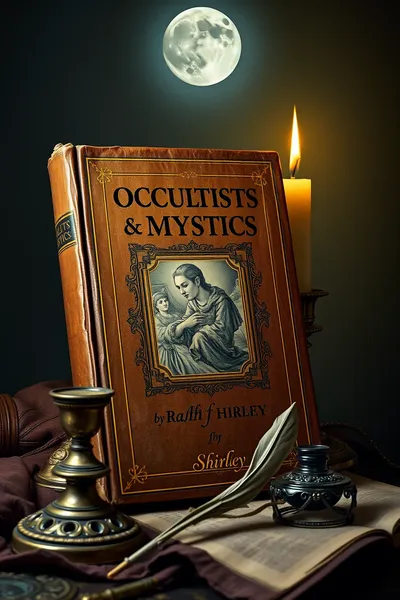
For those new to hypnosis, Alpheus's 'Complete Hypnotism, Mesmerism, Mind-Reading and Spiritualism' provides a foundational, practical guide to methods and applications. Ernest R. Suffling's 'The story hunter : or, Tales of the weird and wild' offers narrative explorations that touch upon hypnotic themes within a fictional context. Ralph Shirley's 'Occultists & mystics of all ages' places hypnosis within a broader historical context of esoteric practices, offering initial insights into its place in history.
Intermediate Reading
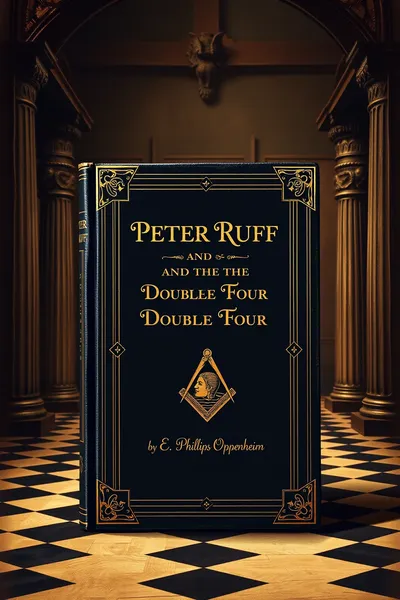
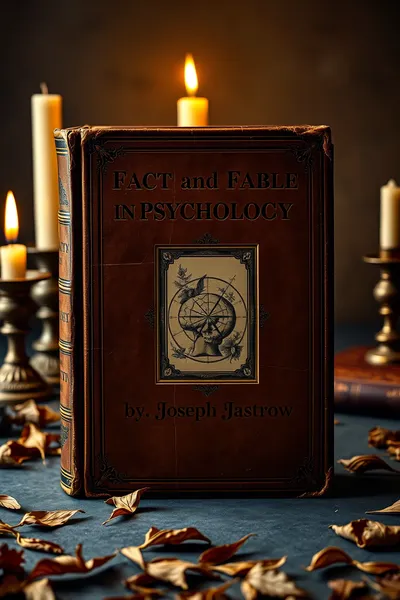
Moving beyond basics, Joseph Jastrow's 'Fact and Fable in Psychology' offers a critical, early 20th-century examination of psychological phenomena, including hypnosis, separating empirical findings from popular misconceptions. Arnold Bennett's 'Judith, a Play in Three Acts' uses dramatic form to explore psychological states that can be related to hypnotic suggestion and influence. E. Phillips Oppenheim's 'Peter Ruff and the Double Four' presents fictional scenarios involving psychological manipulation and control, offering a different lens on hypnotic suggestion.
Classical / Advanced Texts
Advanced study benefits from primary sources and comprehensive analyses. Alpheus's 'Complete Hypnotism, Mesmerism, Mind-Reading and Spiritualism' serves as a comprehensive early manual. For those interested in the intersection of hypnosis with broader occult and psychological systems, Christopher S. Hyatt's 'The Black Book Series' and 'Undoing Yourself' study advanced psychological techniques and esoteric practices. Jan Fries's 'Visual-Magick' (1992) explores related techniques within a modern esoteric framework.
Reading Order — Step by Step
Begin with foundational practical manuals like Alpheus's 'Complete Hypnotism' (Month 1, Weeks 1-2). Follow with historical and critical perspectives from Joseph Jastrow's 'Fact and Fable in Psychology' and Ralph Shirley's 'Occultists & mystics of all ages' (Month 1, Weeks 3-4). Transition to intermediate explorations through fictional and dramatic works by E. Phillips Oppenheim and Arnold Bennett in Month 2. Conclude with advanced texts such as Christopher S. Hyatt's 'The Black Book Series' and Jan Fries's 'Visual-Magick' in Month 3, integrating theoretical knowledge with practical application.
Frequently Asked Questions
Which hypnosis book should I read first?
Start with 'Complete Hypnotism, Mesmerism, Mind-Reading and Spiritualism' by Alpheus for a practical, foundational understanding of methods and applications.
Are there books that debunk hypnosis myths?
Joseph Jastrow's 'Fact and Fable in Psychology' critically examines psychological claims, including those related to hypnosis, offering a balanced perspective.
Where can I find historical perspectives on hypnosis?
Ralph Shirley's 'Occultists & mystics of all ages' places hypnosis within a broader historical context of esoteric practices and figures.
What are some advanced texts on hypnosis and related practices?
Christopher S. Hyatt's 'The Black Book Series' and Jan Fries's 'Visual-Magick' explore advanced psychological techniques and esoteric applications.
Do any books use fiction to explore hypnotic themes?
Yes, E. Phillips Oppenheim's 'Peter Ruff and the Double Four' and Arnold Bennett's 'Judith, a Play in Three Acts' use narrative and drama to explore psychological influence.
What is the difference between hypnosis and mesmerism?
Mesmerism is an early form of hypnosis developed by Franz Mesmer, focusing on vital magnetic fluids. Hypnosis is the broader term for the state of focused attention and suggestibility.
Can hypnosis be used for mind control?
While hypnosis enhances suggestibility, claims of absolute 'mind control' are often exaggerated. Texts like Christopher Hyatt's explore advanced psychological influence, but ethical considerations are paramount.








![EBOOK COLLECTION ( PART 8) [ CSI][h 33t]](/img/thumb/ebook-collection-part-8-csi-h-33t.webp)