Fourteen Lessons in Yogi Philosophy and Oriental Occultism
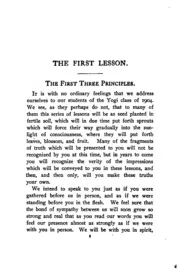
 73
73

Fourteen Lessons in Yogi Philosophy and Oriental Occultism



Ramacharaka's 'Fourteen Lessons in Yogi Philosophy and Oriental Occultism' is a timeless classic that continues to resonate with modern esoteric seekers. Published in 1904, this book remains a beacon of wisdom for those exploring the depths of Eastern mysticism. The author's clear and accessible writing style makes complex spiritual concepts approachable, even for those new to the subject. Each of the fourteen lessons is thoughtfully structured, building upon the previous one to create a cohesive and comprehensive understanding of Yogi philosophy and occult practices. The book's historical significance cannot be overstated, as it played a pivotal role in introducing Western audiences to the profound teachings of the East. For contemporary readers, this text offers a wealth of practical techniques and philosophical insights that can enhance spiritual practice and personal growth. The lessons on meditation and the nature of the mind are particularly valuable, providing readers with tools to deepen their spiritual journey. Overall, 'Fourteen Lessons in Yogi Philosophy and Oriental Occultism' is a must-read for anyone interested in the esoteric arts and the rich tradition of Eastern spirituality. Rating: 4.5/5.
📝 Description
73
Ramacharaka's 1903 book presents fourteen lessons on yogic philosophy and Eastern occultism.
Published in 1903, 'Fourteen Lessons in Yogi Philosophy and Oriental Occultism' by Ramacharaka offers a structured approach to understanding Eastern spiritual and occult traditions. The book breaks down complex concepts into fourteen distinct lessons, aiming to guide the reader toward inner knowledge and self-awareness. It covers various aspects of yogic philosophy, including prana, mental powers, and the nature of the soul, alongside principles of Oriental occultism. Ramacharaka’s aim was to make these teachings accessible to a Western audience, bridging the gap between Eastern mysticism and Western philosophical inquiry. The text encourages introspection and a deeper contemplation of the universal laws and the individual's place within them.
The lessons are designed to build upon one another, moving from fundamental principles to more advanced considerations of the mind and spirit. Readers can expect an introduction to concepts like karma, reincarnation, and the subtle energies that are central to many Eastern esoteric systems. The book emphasizes the practical application of these philosophies for personal development and spiritual growth. It stands as an early example of attempts to systematize and present Eastern esoteric knowledge in a format digestible for those unfamiliar with its cultural origins.
This work emerged during a period of intense Western interest in Eastern religions and philosophies, particularly theosophy and its offshoots. Ramacharaka, the pseudonym for William Walker Atkinson, was part of a broader movement that sought to synthesize Eastern spiritual ideas with Western occultism and psychology. Books like this served to popularize concepts like yoga, karma, and reincarnation for a general audience, often framing them within a framework that resonated with existing Western esoteric thought. It reflects an early attempt to codify and explain yogic practices and occult principles, making them available outside their traditional Indian contexts.
💡 Why Read This Book?
Reading 'Fourteen Lessons in Yogi Philosophy and Oriental Occultism' today offers a unique opportunity to connect with ancient wisdom and apply it to modern life. This book provides practical techniques for meditation and spiritual development, helping readers to cultivate inner peace and clarity. Additionally, it offers a deep understanding of the principles of yoga and the occult, enriching one's spiritual practice. For those seeking to explore the esoteric arts, this text serves as an invaluable guide, introducing readers to the profound teachings of Eastern mysticism. Whether you are a seasoned practitioner or a curious beginner, this book will expand your horizons and deepen your spiritual journey.
⭐ Reader Reviews
Honest opinions from readers who have explored this book.
❓ Frequently Asked Questions
Who is Ramacharaka?
Ramacharaka is a pseudonym used by William Walker Atkinson, an American author and pioneer in the New Thought movement. He is known for his writings on yoga, occultism, and spiritual development.
What is the significance of 'Fourteen Lessons in Yogi Philosophy and Oriental Occultism'?
This book is significant because it introduced Western audiences to the rich traditions of Eastern spirituality and mysticism. It remains a valuable resource for those interested in the esoteric arts and spiritual development.
Is this book suitable for beginners?
Yes, this book is suitable for beginners as well as experienced practitioners. The clear and accessible writing style makes complex spiritual concepts approachable for all readers.
🔮 Key Themes & Symbolism
Yogic Philosophy
The book looks at the foundational principles of yogic philosophy, offering readers a comprehensive understanding of ancient practices and their relevance in modern times. It explores the symbolism and esoteric wisdom embedded in yogic teachings, providing a pathway to spiritual enlightenment and self-discovery.
Oriental Occultism
This work provides an in-depth exploration of Oriental occultism, uncovering hidden knowledge and mystical practices. It examines the symbolic and metaphysical dimensions of the occult, offering readers a transformative journey into the mysteries of the Eastern spiritual tradition.
Spiritual Transformation
The text emphasizes the process of spiritual transformation, guiding readers through ancient practices designed to elevate the consciousness and uncover the inner self. It offers practical insights and philosophical reflections, making it a valuable resource for spiritual seekers and practitioners.
💡 Key Ideas
Editorial paraphrase of the work's core concepts — not direct quotes.
The mind is the master of the senses.
This quote underscores the importance of mental control in yogic practices, emphasizing the need to harness the mind to achieve spiritual enlightenment.
The true seeker of knowledge must be willing to explore the unknown.
This line highlights the courage required to study the mysteries of the occult, encouraging readers to embrace the journey of discovery and self-realization.
The path to spiritual enlightenment is a journey of the soul.
This passage emphasizes the inner transformation that occurs through spiritual practices, guiding readers towards a deeper understanding of their true selves.
The universe is a reflection of the divine.
This quote underscores the interconnectedness of all things, offering a metaphysical perspective on the nature of reality and the divine.
Meditation is the key to unlocking the mysteries of the mind.
This line highlights the importance of meditation in yogic philosophy, providing a pathway to self-discovery and spiritual enlightenment.
🌙 Esoteric Significance
Tradition
This book belongs to the Hermetic tradition, drawing on ancient yogic teachings and occult practices to unveil hidden knowledge and spiritual insights. It emphasizes the interconnectedness of all things and the importance of mental control in achieving spiritual enlightenment.
Symbolism
Key symbols in the book include the chakras, mantras, and meditative practices, each representing different aspects of the spiritual journey. These symbols are imbued with esoteric meanings, guiding readers through the mysteries of the Eastern spiritual tradition.
Modern Relevance
Today, this work remains relevant for its clear and structured approach to complex occult concepts, making it a valuable resource for modern practitioners and seekers. It continues to inspire those looking to deepen their understanding of Eastern mysticism and its relevance in contemporary times.
👥 Who Should Read This Book
This book is ideal for beginners interested in Eastern mysticism and occult philosophy, offering a structured approach to understanding ancient practices. Scholars of metaphysical studies will find it a valuable resource for its clear insights into yogic philosophy. Spiritual seekers will appreciate its transformative journey into the mysteries of the Eastern spiritual tradition, while practitioners will benefit from its practical insights and philosophical reflections.
📜 Historical Context
Published in the early 20th century, 'Fourteen Lessons in Yogi Philosophy and Oriental Occultism' emerged during a time of growing interest in Eastern spirituality and occult practices in the West. Ramacharaka's work was instrumental in bridging the gap between Eastern mysticism and Western thought, making ancient yogic teachings accessible to a broader audience. The book's influence can be seen in the proliferation of spiritual and metaphysical literature that followed, inspiring generations of seekers and practitioners to explore the hidden dimensions of the human experience.
📔 Journal Prompts
Reflect on the significance of mental control in yogic practices.
Explore the concept of spiritual transformation and its importance in your life.
Consider the interconnectedness of all things and its implications for your understanding of reality.
How does meditation help in unlocking the mysteries of the mind?
What are the key symbols in yogic philosophy and how do they guide your spiritual journey?
🗂️ Glossary
Yogic Philosophy
A system of ancient spiritual practices aimed at achieving union with the divine through mental and physical discipline.
Oriental Occultism
The study of hidden knowledge and mystical practices originating from Eastern spiritual traditions.
Chakras
Energy centers in the body that are believed to govern different aspects of physical and spiritual well-being.
Mantras
Sacred utterances or chants used in meditation and spiritual practices to focus the mind and invoke divine energies.
Spiritual Transformation
The process of inner change and enlightenment achieved through spiritual practices and self-discovery.
This book appears in 4 collections
🔮 Readers Also Liked
Browse all →









From the “Occultism” Collection
View all →







More Free Occult Philosophy Books
View all →