Enchanted

 83
83

Enchanted
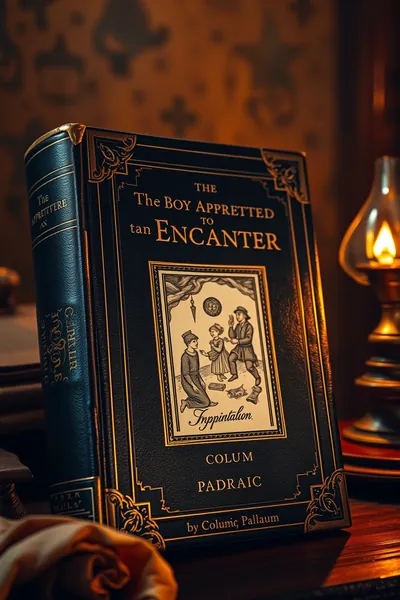
Alethea Kontis’s Enchanted offers a peculiar kind of magic, less about spells and more about the potent alchemy of narrative. Kontis avoids the simplistic retelling of fairy tales, instead dissecting the very essence of enchantment as a force that shapes perception and reality. The strength lies in its intellectual rigor, presenting complex ideas about story and selfhood with a delicate touch. However, the book’s abstract nature can sometimes feel elusive, demanding a reader willing to meet its symbolic language halfway. A passage discussing the inherent power within seemingly simple objects, suggesting they hold echoes of forgotten narratives, exemplifies this strength and potential limitation. It’s a work that rewards patience and contemplation, offering a unique perspective on the stories we tell ourselves and the world.
📝 Description
83
Alethea Kontis's 2012 book, Enchanted, examines enchantment as a force shaping reality.
Enchanted, published in 2012, is a collection of interconnected pieces that looks at enchantment not as a simple plot device, but as a pervasive force. Kontis uses archetypal narratives and folkloric elements to discuss identity, transformation, and the unseen currents that influence our world. The book invites readers to consider how stories affect our perception of reality and how enchantment appears even in everyday life.
This work is for those interested in the overlap between folklore, mythology, and esoteric ideas. It will appeal to readers who appreciate symbolic language, allegorical storytelling, and a thoughtful approach to magical concepts. Anyone seeking to understand the deeper, often unnoticed, aspects of fairy tales and myths will find value here. It encourages a look beyond the surface of familiar narratives.
Published in 2012, Enchanted arrived during a time of growing interest in folklore and its psychological connections. Influences from Carl Jung's ideas on archetypes and Joseph Campbell's monomyth were already present in literary and philosophical discussions. The early 21st century saw many retellings of classic fairy tales, often with darker, more complex themes. Kontis's writing fits this trend by treating enchantment as a potent element within human experience and storytelling, not just a literary tool.
💡 Why Read This Book?
• Gain insight into the nature of narrative enchantment, understanding how stories actively shape our perception of reality, as explored through the book's examination of folkloric motifs. • Discover the esoteric underpinnings of familiar fairy tales, learning to identify symbolic language and archetypal patterns that reveal deeper meanings beyond their surface plots. • Experience a unique form of literary contemplation, where the act of reading becomes an engagement with magical concepts, fostering a personal connection with the transformative power of storytelling.
⭐ Reader Reviews
Honest opinions from readers who have explored this book.
❓ Frequently Asked Questions
When was Enchanted first published?
Enchanted by Alethea Kontis was first published in 2012, placing it within the early 21st-century resurgence of interest in folklore and its psychological and esoteric interpretations.
What is the primary genre of Enchanted?
Enchanted belongs to the esoteric literary genre, drawing heavily on folklore, mythology, and symbolic analysis to explore themes of enchantment and storytelling.
Does Enchanted retell classic fairy tales directly?
While drawing from folkloric traditions, Enchanted focuses more on dissecting the concept of enchantment itself and the nature of narrative, rather than offering direct retellings of specific fairy tales.
Who is Alethea Kontis?
Alethea Kontis is an author known for her work in fantasy and children's literature, often incorporating fairy tale elements and exploring themes of magic and identity.
What makes Enchanted an 'esoteric' work?
Its esoteric nature stems from its exploration of hidden meanings, symbolic language, and the idea of enchantment as a fundamental force influencing perception and reality, rather than a literal magical event.
What kind of themes does Enchanted explore?
The book delves into themes of identity, transformation, the power of stories, the nature of enchantment, and the symbolic resonance found within folklore and mythology.
🔮 Key Themes & Symbolism
The Nature of Enchantment
The work examines enchantment not merely as a plot device in stories but as a pervasive force that shapes perception and reality. It suggests that enchantment resides in the very act of storytelling and in the symbols and archetypes that resonate across cultures. Kontis probes how enchantment can be both a conscious choice and an inherent quality of certain narratives or objects, inviting readers to recognize its presence in their own lives and in the fabric of myth.
Narrative as a Living Force
A central theme is the idea that stories possess an agency of their own. Enchanted explores how narratives can influence consciousness, behavior, and even the interpretation of events. Kontis posits that the stories we engage with are not passive entertainment but active participants in shaping our understanding of the world and ourselves. This concept positions literature and folklore as potent forces for transformation and insight.
Archetypes and Symbolic Resonance
The book examines the rich symbolic language of folklore and mythology, identifying recurring archetypes and motifs. It analyzes how these symbols tap into a collective unconscious, carrying profound meanings that transcend individual stories. Kontis encourages readers to look for these patterns, suggesting that understanding symbolic resonance is key to unlocking deeper layers of meaning in both ancient tales and contemporary experiences.
Transformation Through Story
Enchanted proposes that engaging with narratives, particularly those imbued with esoteric or folkloric elements, can be a catalyst for personal transformation. The act of reading and interpreting these stories is presented as a process of alchemical change, where the reader’s perspective is altered and their understanding of self and the world is deepened. This transformative power is intrinsic to the nature of enchantment itself.
💬 Memorable Quotes
Direct passages from the work, attributed to the author.
“Stories are not just words on a page; they are living things.”
— This concept suggests that narratives possess an inherent energy and agency. It implies that stories can influence readers on a profound level, shaping perceptions and even outcomes, rather than being mere passive entertainment.
“Enchantment is a lens through which the world reveals its deeper magic.”
— This highlights the idea that enchantment is not necessarily about external magical events but about a shift in perspective. It frames enchantment as a way of seeing that uncovers hidden wonder and meaning in the everyday.
“The symbols we encounter in myths are traces of fundamental truths.”
— This suggests that archetypal symbols found in folklore and mythology are not arbitrary but represent core aspects of human experience and universal principles that continue to hold relevance.
“To understand a story is to understand a part of yourself.”
— This emphasizes the introspective power of narrative engagement. It posits that by exploring the characters, plots, and themes of stories, readers can gain significant self-awareness and insight into their own inner landscape.
“The most potent magic lies in the stories we choose to believe.”
— This idea underscores the power of belief and conviction in shaping reality. It suggests that the narratives we internalize and accept as true hold a significant, almost magical, influence over our lives and perceptions.
🌙 Esoteric Significance
Tradition
Enchanted engages with the broad Western esoteric tradition, particularly its interest in symbolism, archetypes, and the transformative power of narrative. While not strictly adhering to a single lineage like Hermeticism or Kabbalah, it draws from the same wellspring of symbolic interpretation that underpins many esoteric schools. Its focus on how stories shape reality and consciousness aligns with Gnostic ideas about perception and the nature of illusion, as well as Jungian concepts of the collective unconscious.
Symbolism
Key symbols explored include the archetype of the enchanted forest, representing the liminal space between the known and the unknown, and the threshold of transformation. Another motif is the enchanted object, which symbolizes latent power and the potential for narrative to imbue the mundane with profound meaning. The act of storytelling itself becomes a potent symbol of creation and a means to work through the complexities of the human psyche.
Modern Relevance
Contemporary thinkers and practitioners in fields like depth psychology, narrative therapy, and even certain branches of creative writing draw on the principles highlighted in Enchanted. The work’s emphasis on the active role of stories in shaping perception speaks to modern discussions about media influence and the construction of reality. Its exploration of archetypal patterns continues to inform analyses of character development and thematic structures in both literature and personal growth practices.
👥 Who Should Read This Book
• Students of comparative mythology and folklore seeking to understand the psychological and esoteric dimensions of traditional stories. • Writers and storytellers interested in exploring the deeper mechanics of narrative enchantment and archetypal resonance in their craft. • Individuals drawn to introspective reading and contemplation, who wish to uncover hidden meanings and symbolic layers within familiar tales and myths.
📜 Historical Context
Enchanted, published in 2012, arrived during a significant period of popular and academic engagement with folklore and mythology. This era saw a surge in the critical analysis and creative reimagining of fairy tales, influenced by psychoanalytic interpretations pioneered by figures like Carl Jung and later expanded by scholars of myth. The early 21st century witnessed a trend toward exploring the darker, more complex psychological dimensions of these traditional narratives, moving beyond simplistic moral lessons. Kontis’s work contributes to this by examining enchantment as a fundamental aspect of narrative and perception. This period also saw authors like Marina Warner and Jack Zipes critically engage with the history and cultural impact of fairy tales, providing a rich intellectual backdrop against which Kontis’s exploration of narrative magic can be situated. The book reflects a broader cultural current seeking deeper meaning in ancient stories.
📔 Journal Prompts
The concept of narrative agency and its impact on personal beliefs.
Reflect on a symbol from folklore that has personally resonated with you.
The transformative power of choosing which stories to believe.
Analyze the 'enchanted forest' archetype in a story you know.
Consider how everyday objects might hold narrative significance.
🗂️ Glossary
Enchantment
In this context, enchantment refers not solely to magical spells but to a state of being captivated or influenced by narrative, symbol, or perception, suggesting a deeper, often unseen, force at play.
Archetype
Universal, archaic patterns and images that derive from the collective unconscious and are the psychic conditions of the human experience, often appearing in myths and fairy tales.
Narrative Agency
The concept that stories possess an active influence or power to shape perception, belief, and behavior, rather than being passive constructions.
Symbolic Resonance
The capacity of a symbol to evoke a deep, often intuitive, understanding or connection, tapping into shared human experiences and meanings.
Liminal Space
A transitional or in-between state or place, often associated with transformation, where established norms and identities are suspended.
Folklore
The traditional beliefs, customs, and stories of a community, passed through the generations by word of mouth, encompassing myths, legends, and fairy tales.
Esoteric
Intended for or likely to be understood by only a small number of people with a specialized knowledge or interest, particularly concerning mystical or spiritual matters.
🔮 Readers Also Liked
Browse all →





More by Alethea Kontis
All books →
More Free Magic & Ritual Books
View all →