The Magus
 76
76

The Magus
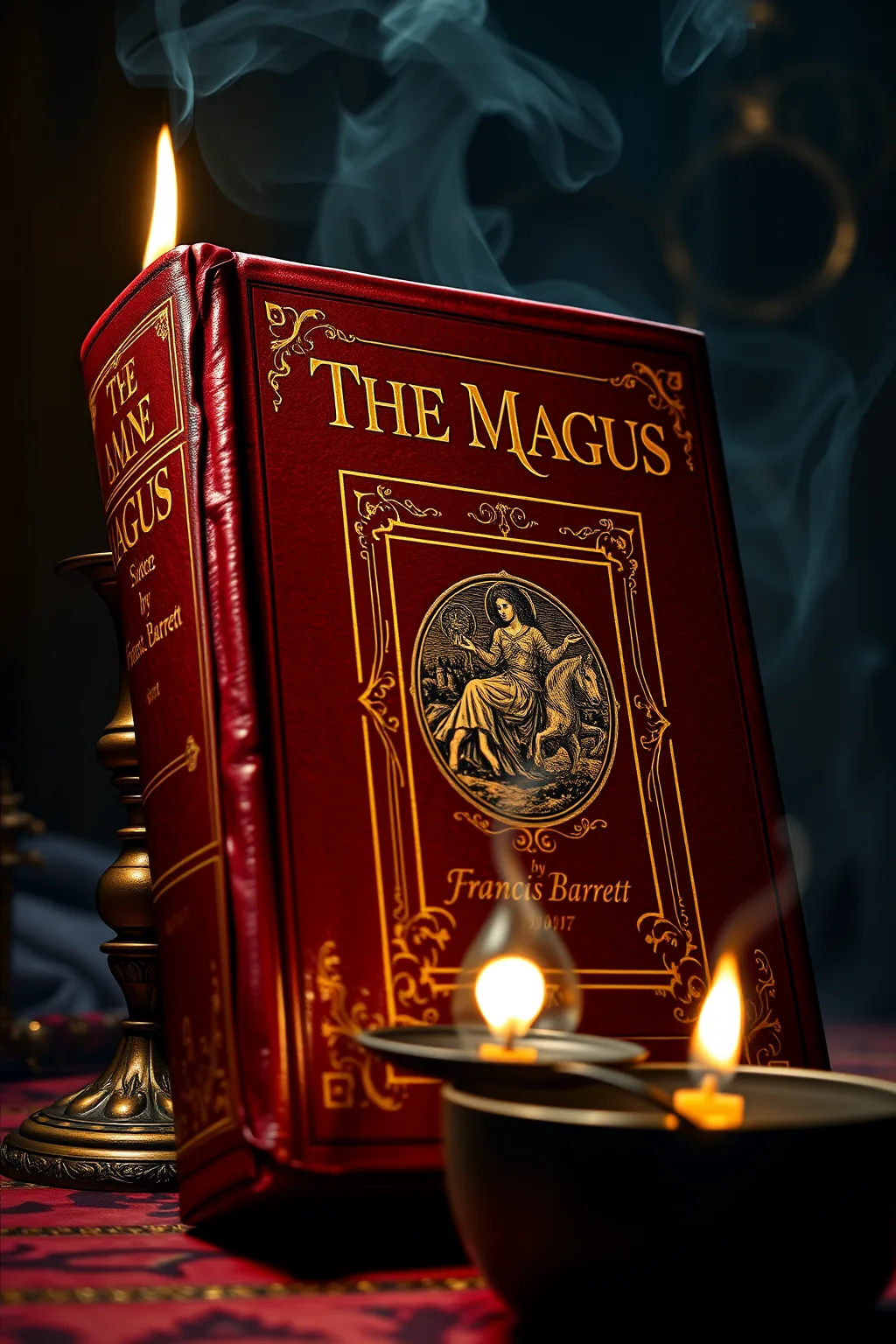
Francis Barrett's *The Magus* presents a dense compendium of early 19th-century occult knowledge, acting as a significant bridge between medieval grimoires and later esoteric revival movements. Its strength lies in its systematic compilation of disparate magical traditions—demonology, alchemy, astrology, and talismanic magic—into a single, albeit challenging, volume. The detailed descriptions of rituals and the properties of various magical agents, such as herbs and stones, offer a tangible glimpse into historical magical practice. However, the text's original publication date means its presentation can feel archaic, and the sheer volume of information requires considerable reader effort to contextualize and apply. A notable passage details the creation of talismans, linking specific celestial alignments with symbolic engravings for potent magical effect, illustrating Barrett's practical, albeit demanding, approach. While not a beginner's guide, *The Magus* is an indispensable resource for serious historical occult research. Its value is undeniable for scholars and practitioners dedicated to understanding the lineage of Western ceremonial magic.
📝 Description
76
Francis Barrett published The Magus in 1801, compiling occult knowledge from historical grimoires.
First appearing in 1801, Francis Barrett's The Magus is a significant compilation of occult lore. Barrett gathered information from a range of historical grimoires and arcane manuscripts, aiming to present a more organized collection of knowledge than was previously available. The book covers demonology, alchemy, astrology, and various divination methods. It also discusses the magical properties attributed to natural elements like stones and herbs, detailing ritual procedures and the meaning of symbols.
This work functions as a practical guide for individuals interested in understanding and practicing ceremonial magic. It is particularly suited for students of Western esotericism who wish to engage with the historical underpinnings of magical traditions. Researchers of the occult, historians of religion, and practitioners seeking a connection to older magical practices will find substantial content here. Readers with some prior knowledge of magical theory will best appreciate the detailed historical methods and lore presented.
The Magus emerged during a period of renewed interest in occultism in early 19th-century England. Barrett sought to consolidate scattered magical texts, many of which were difficult to access or existed only in incomplete forms. Drawing from sources potentially including the Grand Grimoire and works attributed to Agrippa and Dee, Barrett synthesized this knowledge into a more coherent volume. Its publication contributed to the revival of interest in practical magic and occult studies, laying groundwork for later esoteric traditions.
💡 Why Read This Book?
• Gain direct access to the foundational principles of ceremonial magic as compiled in 1801, offering specific instructions on talismans and spirit invocation that are difficult to find in more generalized modern occult texts. • Understand the historical integration of alchemy and astrology within magical practice by examining Barrett's detailed explanations of their symbolic and practical applications, a perspective distinct from contemporary scientific understandings. • Explore the historical context of demonology and angelology through Barrett's systematic cataloging of entities and their associated rituals, providing concrete examples of how these concepts were approached in the early 19th century.
⭐ Reader Reviews
Honest opinions from readers who have explored this book.
❓ Frequently Asked Questions
What is Francis Barrett's background and why did he write The Magus?
Francis Barrett was an English occultist active in the early 19th century. He compiled *The Magus* (published 1801) to consolidate and make accessible esoteric knowledge from various rare grimoires, aiming to preserve and transmit these arcane arts during a period of intellectual transition.
Is The Magus a practical guide for performing magic, or more of a historical reference?
It functions as both. Barrett presents detailed instructions for rituals, talismans, and spirit evocations, indicating a practical intent. However, its historical compilation and the theoretical underpinnings require significant study, making it valuable as a historical reference for understanding magical traditions.
What specific magical traditions does The Magus cover?
The book extensively covers ceremonial magic, drawing from traditions of demonology, angelology, alchemy, astrology, and divination. It also includes discussions on natural magic, talismans, amulets, and the properties of herbs and stones.
When was The Magus originally published, and why is its publication date significant?
*The Magus* was first published in 1801. This date is significant as it falls within a period of burgeoning occult revival in Europe, bridging earlier Renaissance and medieval magical literature with the more systematic esoteric movements that would emerge later in the 19th century.
Does The Magus contain original magical theories, or does it primarily collect existing material?
Barrett's primary contribution in *The Magus* was the compilation and systematic organization of existing magical knowledge from numerous rare sources. While he structured and presented this material, the work is largely a synthesis of pre-existing grimoire traditions rather than entirely novel theoretical constructs.
How does The Magus relate to other famous grimoires?
The Magus draws heavily upon and synthesizes material found in earlier grimoires such as the *Grand Grimoire*, and likely incorporates elements from the works of Agrippa and others. It acts as a gateway, presenting a curated selection of practices and lore from these diverse historical magical texts.
🔮 Key Themes & Symbolism
Spirit Evocation and Hierarchy
Barrett's work meticulously details methods for the invocation and command of various spiritual entities. It outlines a hierarchical structure for these beings, differentiating between angelic and demonic forces, and provides specific rituals, incantations, and necessary preparations for engaging with them. The text emphasizes the importance of purity, intent, and the correct use of divine names and seals to ensure control and safety during such operations. This systematic approach reflects a desire to codify the complex and often dangerous art of spirit conjuring prevalent in historical grimoires.
Talismanic and Natural Magic
A significant portion of The Magus is dedicated to the creation and application of talismans and amulets. Barrett explains how to imbue objects with magical properties by engraving specific symbols, celestial alignments, and divine names. This involves understanding the sympathetic correspondences between planets, metals, stones, herbs, and spiritual influences. The book details how these crafted objects can be used to attract fortune, provide protection, influence health, or achieve other desired outcomes, grounding magical practice in the perceived energetic qualities of the natural world.
Alchemy and Astrology in Ritual
The Magus integrates alchemical and astrological principles not merely as theoretical disciplines but as essential components of magical practice. Astrological timing is presented as crucial for the efficacy of rituals, dictating favorable planetary hours and zodiacal influences for specific operations. Alchemical concepts, beyond their material transformation goals, are explored for their spiritual and symbolic significance within the broader context of occult attainment. Barrett uses these interconnected systems to provide a framework for understanding the cosmic forces that practitioners aim to harness.
The Arcane Arts Compendium
Francis Barrett's *The Magus* functions as an encyclopedic collection of arcane knowledge prevalent in the early 19th century. It synthesizes information on a wide spectrum of esoteric subjects, including practical magic, divination, the properties of natural substances, and the theory of occult forces. By drawing from numerous rare and often obscure texts, Barrett aimed to create a comprehensive manual that would serve as a singular resource for students of the hidden arts, preserving practices that might otherwise have been lost to time.
💬 Memorable Quotes
Direct passages from the work, attributed to the author.
“The practice of magic requires knowledge of the celestial bodies, their influences, and the correspondences of all things.”
— This highlights Barrett's emphasis on astrology and sympathetic magic, suggesting that understanding cosmic patterns and the interconnectedness of elements is fundamental to any successful magical working.
“Spirits are to be commanded not by force, but by the proper use of Divine Names and sacred rites.”
— This principle underscores the ceremonial aspect of magic as presented by Barrett, prioritizing ritualistic correctness and invoking divine authority over brute magical power when dealing with spiritual entities.
“Talismans, when rightly made under due astrological configurations, possess great virtue.”
— This points to the practical application of astrological knowledge in creating magical objects, emphasizing that the correct timing and symbolic inscription are key to a talisman's efficacy.
“The properties of herbs and stones are not merely physical but imbued with sympathetic forces.”
— This interpretation suggests that Barrett viewed natural objects not just for their material attributes but as conduits for subtle energies, central to the theory of natural magic.
“Alchemy offers a path not only to material transmutation but to spiritual purification.”
— This indicates Barrett's understanding of alchemy as a dual process, encompassing both physical manipulation of substances and inner, spiritual transformation of the practitioner.
🌙 Esoteric Significance
Tradition
The Magus is deeply rooted in the Western Esoteric Tradition, particularly drawing from Hermeticism, Kabbalism, and medieval ceremonial magic. It synthesizes elements found in various grimoires, reflecting a lineage that emphasizes the manipulation of spiritual forces through ritual, divine names, and sympathetic correspondences. Barrett's work fits within this tradition by codifying practices related to angelology and demonology, and by integrating astrological and alchemical principles as essential components of magical operations, aiming for the practitioner's spiritual and material attainment.
Symbolism
Key symbols in *The Magus* include the Pentagram and Hexagram, representing the balance of elements and the union of macrocosm and microcosm, often used as protective or invocational sigils. Divine Names, particularly those from Hebrew Kabbalah, are crucial for commanding spirits and directing magical energies, serving as direct conduits to divine power. The book also details the symbolic meanings and magical applications of various herbs, stones, and metals, linking them to planetary influences and elemental forces, thereby creating a complex symbolic language for magical work.
Modern Relevance
Contemporary practitioners of ceremonial magic, particularly those focused on historical reconstruction or foundational studies, frequently reference *The Magus*. It remains a vital source for understanding the historical development of ritual magic, talismanic construction, and spirit evocation. Modern occultists and scholars of esotericism often consult Barrett's work to trace the lineage of specific practices and concepts, appreciating its comprehensive approach to subjects like astrology, alchemy, and demonology as they were understood and practiced in the early 19th century.
👥 Who Should Read This Book
• Students of Western Esotericism: Those seeking to understand the historical development and practical components of ceremonial magic, demonology, and talismanic arts will find *The Magus* an indispensable primary source. • Occult Historians and Researchers: Individuals studying the evolution of magical beliefs and practices from the medieval period through the 19th century will benefit from Barrett's compilation of rare grimoire material. • Aspiring Ceremonial Magicians: Practitioners interested in foundational techniques, historical ritual structures, and the integration of astrology and alchemy within magic will find detailed instructions and theoretical frameworks.
📜 Historical Context
Francis Barrett's *The Magus*, published in 1801, emerged during a fertile period for occult revivalism in Britain, following the Enlightenment's rationalism. It appeared just as figures like the Comte de Saint-Germain were gaining notoriety and would precede the more formalized esoteric orders of the late 19th century. The work sought to systematize and popularize knowledge previously scattered across numerous rare and often inaccessible grimoires, some dating back centuries. Barrett drew heavily from medieval and Renaissance magical texts, including those attributed to Solomon, Agrippa, and contemporary occultists. Its compilation offered a comprehensive manual for ceremonial magic, encompassing demonology, alchemy, and astrology, at a time when interest in these subjects was growing but reliable sources were scarce. While not directly engaging with a specific contemporary author in its text, its publication resonated with the intellectual currents that would later inform figures like Eliphas Lévi and the burgeoning Theosophical movement, positioning it as a crucial bridge between older magical traditions and modern occultism.
📔 Journal Prompts
Reflect on the symbolic significance of Divine Names as presented in *The Magus* for commanding spirits.
Consider the astrological principles Barrett emphasizes for the creation of effective talismans.
How does Barrett's approach to alchemy differ from purely material interpretations?
Analyze the hierarchy of spirits described by Barrett and its implications for ritual practice.
Explore the connection between natural elements (herbs, stones) and their sympathetic forces according to Barrett's text.
🗂️ Glossary
Grimoire
A textbook of magic, typically containing instructions on how to create magical tools, cast spells, and summon supernatural beings. *The Magus* itself is considered a grimoire.
Demonology
The study or belief in demons and their influence. In *The Magus*, this includes the classification, characteristics, and invocation of various demonic entities.
Alchemy
A philosophical and proto-scientific tradition aimed at purification, perfection, and transmutation, often associated with turning base metals into gold, but also with spiritual transformation.
Astrology
The study of the movements and relative positions of celestial bodies interpreted as having an influence on human affairs and the natural world. Barrett uses it for timing magical operations.
Talisman
An object believed to possess magical properties, often inscribed with symbols or sigils and consecrated under specific astrological conditions to attract or repel certain influences.
Sympathetic Magic
A type of magic based on the principle that like affects like (law of contagion) or that a cause affects its effect, even when separated by space or time. Barrett applies this to correspondences.
Evocation
The act of calling forth or summoning a spirit or deity, typically through ritualistic means, with the intention of communicating with or commanding it.