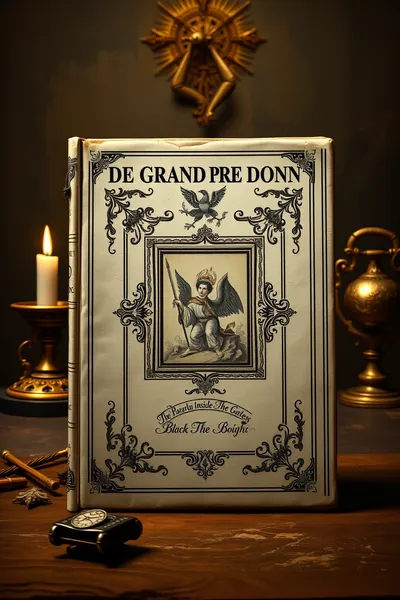
El Libro de la Buena Suerte

 81
81

El Libro de la Buena Suerte
Raphaële Vidaling’s El Libro de la Buena Suerte offers a compellingly practical framework for those who believe luck is a skill to be honed rather than a lottery to be won. The book’s strength lies in its systematic breakdown of fortune into actionable components, moving beyond vague platitudes to suggest tangible exercises. Vidaling's discussion on 'energetic hygiene' and its role in clearing pathways for fortune is particularly insightful, presenting a novel perspective on how internal states affect external circumstances. A notable limitation, however, is the occasional reliance on terminology that, while evocative, could benefit from more rigorous definition for readers unfamiliar with esoteric lexicon. The section detailing the 'Law of Attraction' through focused intention is a clear, albeit standard, example of the book's accessible yet potentially oversimplified approach to complex metaphysical principles. Ultimately, El Libro de la Buena Suerte serves as a well-structured guide for actively engaging with one's destiny.
📝 Description
81
El Libro de la Buena Suerte, published in 2005, argues luck is cultivable through mental and behavioral shifts.
Raphaële Vidaling's 2005 book, El Libro de la Buena Suerte, treats fortune not as chance but as a state influenced by inner orientation. The author details practical methods for altering one's perception and interaction with circumstances. This work provides frameworks and exercises intended to help individuals actively shape their life's outcomes.
The book targets those dissatisfied with accepting fate passively. It is for readers interested in the connections between psychology, philosophy, and esoteric thought who wish to engage in self-directed practices. Those who appreciate a methodical, almost alchemical, path to personal growth will find it valuable.
Vidaling's 2005 work connects to a long tradition of thought that posits a link between inner states and outer reality. Like 19th-century figures such as Éliphas Lévi, who explored how mental states manifest externally, Vidaling grounds these ideas in contemporary psychological understanding. While not directly part of historical movements like New Thought, the book reflects a similar belief in the mind's capacity to influence external conditions, presenting a modern application of these metaphysical principles.
💡 Why Read This Book?
• Gain a structured method for cultivating fortune, moving beyond passive hope by learning specific techniques for 'energetic hygiene' as outlined in the book's exercises. • Understand the concept of 'aura' and its manipulation as a tool for influencing external circumstances, a core principle presented in Vidaling's work since its 2005 publication. • Develop a practical approach to aligning intentions with desired outcomes, utilizing symbolic reinforcement and affirmation practices detailed within the text.
⭐ Reader Reviews
Honest opinions from readers who have explored this book.
❓ Frequently Asked Questions
What is the core philosophy behind El Libro de la Buena Suerte?
The book posits that 'good luck' is not random but can be actively cultivated. It teaches readers to manage their 'aura' and mental state to attract favorable circumstances, treating fortune as a skill influenced by internal alignment and practice.
When was El Libro de la Buena Suerte first published?
El Libro de la Buena Suerte was first published in 2005, placing it within a contemporary wave of interest in personal development and esoteric self-help literature.
Does the book offer practical exercises for improving luck?
Yes, the book provides numerous practical exercises focusing on mental orientation, energetic cleansing, and symbolic reinforcement to help readers actively shape their fortune.
Who is Raphaële Vidaling?
Raphaële Vidaling is the author of El Libro de la Buena Suerte, known for her work in esoteric philosophy and personal development, focusing on practical applications of metaphysical principles.
Is this book suitable for beginners in esoteric studies?
Yes, while it uses some esoteric terminology, the book's structured approach and practical exercises make it accessible for beginners interested in cultivating personal fortune.
What is 'energetic hygiene' according to the book?
'Energetic hygiene' refers to practices aimed at clearing internal blockages and maintaining a balanced energetic field, which the book suggests is crucial for attracting good fortune.
🔮 Key Themes & Symbolism
Cultivating Fortune
The central theme posits that fortune is not a matter of chance but a cultivable attribute. Vidaling outlines a system for enhancing one's 'good luck' through conscious effort, focusing on mental states, energetic alignment, and consistent practice. This involves understanding how internal conditions manifest externally, encouraging readers to take an active role in shaping their destiny rather than being passive recipients of fate. The book provides tools to shift one's probabilistic outlook.
Energetic Hygiene
This concept refers to the practice of maintaining a clean and balanced energetic field. The book details methods for 'cleansing' one's aura of negative influences or blockages that may impede the flow of good fortune. It suggests that personal energy directly interacts with the environment, and maintaining its purity is essential for attracting desired outcomes and opportunities. This practice is presented as a foundational step for any fortune-building endeavor.
Intentional Alignment
Vidaling emphasizes the power of focused intention in attracting good luck. This theme explores how clearly defining desires and consistently directing one's mental and emotional energy towards them can manifest those desires in reality. The book provides techniques for reinforcing intentions through affirmations, symbolic representation, and regular practice, creating a powerful alignment between the individual's inner world and their external experiences.
The Role of Symbols
Symbols are presented as potent tools for reinforcing mental states and intentions. El Libro de la Buena Suerte suggests that specific symbols can act as anchors for desired energies, aiding in the cultivation of fortune. By incorporating meaningful symbols into daily practice, readers can create a subconscious resonance that supports their goals, effectively using visual or conceptual anchors to guide their energetic field towards auspicious outcomes.
💬 Memorable Quotes
Direct passages from the work, attributed to the author.
“Luck is not a capricious visitor, but a garden we tend.”
— This aphorism frames fortune as an outcome of diligent effort and care, rather than random chance. It suggests that by actively engaging in specific practices, one can cultivate a favorable environment for good fortune to flourish.
“Your aura is the energetic signature that precedes your physical presence.”
— This statement highlights the esoteric concept of the aura as an energetic field that influences perception and interaction. It implies that managing and purifying this field is key to attracting positive encounters and opportunities.
“Clearing energetic blockages is akin to clearing debris from a riverbed.”
— This analogy explains the purpose of 'energetic hygiene' by comparing internal obstacles to physical obstructions. Removing them allows for a smoother, unimpeded flow, much like water in a river, facilitating the movement of positive energy and fortune.
“Gratitude amplifies the energy of abundance.”
— This highlights the principle that expressing thankfulness for what one has not only acknowledges current blessings but also serves to attract more positive experiences. Gratitude is presented as a potent energy that expands one's capacity to receive.
💡 Key Ideas
Editorial paraphrase of the work's core concepts — not direct quotes.
Consistent intention is the architect of your reality.
This quote emphasizes the power of focused thought and desire. It suggests that the persistent direction of one's mental energy acts as a creative force, actively shaping the circumstances and events encountered in life.
🌙 Esoteric Significance
Tradition
El Libro de la Buena Suerte draws from contemporary esoteric thought, blending principles reminiscent of New Thought and the Law of Attraction with a more grounded, psychological approach. It departs from older, more ritualistic traditions by focusing on internal states and practical, everyday applications. While not strictly Hermetic or Kabbalistic, it carries the Hermetic principle of 'As Above, So Below,' suggesting a correspondence between inner states and outer manifestations, adapted for a modern audience seeking self-empowerment.
Symbolism
The book utilizes concepts like the 'aura' as a symbolic representation of an individual's energetic field, which is believed to interact with the environment and attract circumstances. 'Energetic hygiene' functions symbolically as a purification ritual, clearing pathways for fortune. Intentional alignment is symbolized by directing one's focus, akin to a lens concentrating light, to manifest desired outcomes, turning abstract desire into tangible reality.
Modern Relevance
Contemporary practices in manifestation coaching, positive psychology, and even certain branches of mindfulness echo the core principles found in El Libro de la Buena Suerte. Thinkers and practitioners who focus on the power of belief, visualization, and energetic alignment in personal and professional success find resonance with Vidaling's systematic approach. The book's emphasis on actionable techniques continues to inform modern self-development strategies for those seeking to actively influence their life circumstances.
👥 Who Should Read This Book
• Aspiring practitioners of manifestation techniques seeking a structured, step-by-step guide to improving their fortune, moving beyond abstract concepts to concrete practices. • Individuals interested in the intersection of psychology and esoteric philosophy who wish to understand how mental states and energetic principles can influence life outcomes. • Readers exploring self-help literature who are looking for a practical framework to actively cultivate positive circumstances rather than passively waiting for luck.
📜 Historical Context
Published in 2005, El Libro de la Buena Suerte arrived during a period of significant popular engagement with self-help and metaphysical literature, building on trends from the late 20th century. While not directly part of the New Thought movement that flourished in the early 1900s, it taps into similar philosophical currents concerning the mind's influence on external reality. Vidaling's approach, emphasizing psychological framing and practical application, distinguishes it from earlier esoteric texts. For instance, while figures like Helena Blavatsky in the late 19th century explored spiritual laws, Vidaling focuses more on accessible techniques for personal fortune. The book emerged in an era where online forums and accessible publishing platforms allowed such works to reach a global audience, fostering communities around shared esoteric interests, a contrast to the more insular reception of esoteric ideas in earlier centuries.
📔 Journal Prompts
The cultivation of fortune through tending one's energetic garden.
Practical applications of energetic hygiene for daily well-being.
Reflecting on the consistency of intention in shaping personal reality.
Identifying personal symbols that amplify desired outcomes.
Analyzing the perceived difference between random chance and cultivated luck.
🗂️ Glossary
Aura
An energetic field surrounding a person, believed to influence their interactions and attract certain circumstances. Maintaining its purity is key to cultivating good fortune.
Energetic Hygiene
Practices aimed at cleansing and balancing one's personal energy field. This involves clearing blockages and negative influences to allow for a free flow of positive energy and opportunities.
Fortune
The book conceptualizes fortune not as random luck, but as a state that can be influenced and cultivated through conscious mental and energetic practices.
Intentional Alignment
The process of focusing one's thoughts, emotions, and energy towards specific desired outcomes to increase their likelihood of manifestation.
Symbolic Reinforcement
Using specific symbols or imagery to strengthen intentions and anchor desired mental states, thereby aiding in the cultivation of fortune.
Probabilistic Landscape
The metaphorical environment of potential outcomes and opportunities that an individual navigates. The book suggests this landscape can be positively influenced.
Mental Orientation
The habitual way a person thinks and perceives the world, which the book argues significantly impacts their ability to attract and recognize good fortune.
🔮 Readers Also Liked
Browse all →








More Free Occult Philosophy Books
View all →