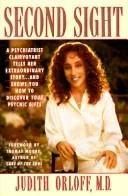
Chi gong
 76
76

Chi gong
Paul Dong's "Chi Gong" offers a grounded introduction to a complex system, eschewing New Age mysticism for a more empirical presentation. The initial sections detailing the physical movements and breathing mechanics are particularly clear, providing a solid foundation for neophytes. Dong's strength lies in his ability to connect these practices to traditional Chinese medicine concepts, making the energetic theory more tangible. However, the book sometimes feels more like a technical manual than an exploration of the deeper philosophical implications. For instance, while the discussion of Qi flow is informative, it lacks the evocative descriptions found in some older Taoist texts, which might leave readers seeking profound spiritual resonance wanting more. The section on historical context, while accurate regarding the 1990 publication date, could benefit from deeper engagement with the philosophical underpinnings of Qigong's development. Overall, "Chi Gong" serves as a competent, if somewhat dry, primer for understanding the mechanics of this ancient art.
📝 Description
76
Paul Dong's 1990 book introduces readers to the ancient Chinese practice of cultivating vital energy, Qi.
Paul Dong's "Chi Gong" details the traditional Chinese practice of cultivating vital energy, known as Qi. This system, rooted in Taoist philosophy and traditional Chinese medicine, employs coordinated movements, breathing exercises, and focused meditation. The book explains how these techniques aim to harmonize the body's energy flow, promoting physical health, mental clarity, and spiritual growth. It presents Qigong as a holistic discipline for self-cultivation and longevity, drawing on centuries of observation and esoteric understanding.
The work is suitable for individuals interested in Chinese energetic practices, particularly those seeking non-Western approaches to wellness, meditation, and mind-body integration. Beginners will find a structured introduction to Qigong, while those with backgrounds in martial arts or alternative healing may discover additional theoretical context. It also serves as an accessible text for scholars of comparative spirituality and Asian studies.
Published in 1990, Dong's book appeared as interest in Eastern philosophies grew in the West. Following the suppression of traditional arts during China's Cultural Revolution, there was a renewed effort to document and share practices like Qigong. This publication was part of a larger trend of cultural exchange that saw increased academic and popular attention given to disciplines previously considered esoteric.
Qigong belongs to a lineage of Chinese practices focused on the manipulation and circulation of Qi, or vital life force. These traditions, often associated with Taoism and traditional Chinese medicine, seek to align the practitioner with natural energetic principles. The esoteric understanding within Qigong posits that by harmonizing internal energy, one can achieve greater physical vitality, mental acuity, and spiritual awareness. This pursuit of energetic balance and longevity is a recurring theme in various Eastern spiritual and healing arts.
💡 Why Read This Book?
• Gain practical instruction on foundational Qigong exercises like "The Eight Brocades," allowing you to begin a practice focused on cultivating Qi. • Understand the theoretical underpinnings of Qigong within the framework of Traditional Chinese Medicine, learning about meridians and Qi flow. • Appreciate the historical context of Qigong's dissemination, particularly its resurgence and presentation to Western audiences around 1990.
⭐ Reader Reviews
Honest opinions from readers who have explored this book.
❓ Frequently Asked Questions
What is the primary goal of practicing Chi Gong as described by Paul Dong?
The primary goal is to cultivate and harmonize the body's vital energy, known as Qi, to promote physical health, mental clarity, and spiritual development, aligning with Taoist principles.
When was Paul Dong's book on Chi Gong first published?
Paul Dong's "Chi Gong" was first published in 1990, reflecting a period of renewed interest in traditional Chinese practices.
Are the movements in Chi Gong complex?
The book describes movements that are generally slow, deliberate, and coordinated with breath, making them accessible. However, mastery requires consistent practice and attention to detail.
What is the connection between Chi Gong and acupuncture?
Chi Gong works with Qi, the same vital energy believed to flow through the meridians targeted by acupuncture. Qigong aims to unblock and balance this flow through movement and breath.
Is Chi Gong a form of martial art?
While some martial arts incorporate Qigong for strength and energy cultivation, Qigong itself is primarily a health, wellness, and spiritual practice focused on internal energy development, not combat.
What are 'The Eight Brocades' mentioned in relation to Chi Gong?
The Eight Brocades (Ba Duan Jin) are a set of eight distinct Qigong exercises, detailed in the book, that are fundamental for improving circulation and strengthening the body's energy.
🔮 Key Themes & Symbolism
Qi Cultivation and Flow
The central theme is the understanding and manipulation of Qi, the fundamental life force in Chinese philosophy. Dong explains how Qi flows through energetic pathways (meridians) within the body. Imbalances or blockages in this flow are presented as the root cause of illness. The book details specific postures, movements, and breathing techniques designed to open these meridians, allowing Qi to circulate freely, thereby promoting health, vitality, and longevity. This concept is foundational to many esoteric traditions focusing on vital energies.
Mind-Body Harmony
A significant aspect of the practice involves the integration of mind, body, and breath. Dong emphasizes that Qigong is not merely physical exercise but a holistic discipline requiring focused intention and synchronized breathing. The mental state of the practitioner plays a central role in directing and strengthening Qi. This integration aims to achieve a state of balance and inner peace, reflecting esoteric principles found across various contemplative traditions that seek union of the physical and spiritual.
Taoist Principles and Longevity
The practice of Qigong is deeply embedded in Taoist philosophy, which emphasizes living in accordance with the natural order (the Tao). Dong connects Qigong techniques to the pursuit of longevity and well-being, core aspirations within Taoist alchemy and health preservation. The book explores how harmonizing with natural energetic principles can lead to a more balanced and extended life, aligning with esoteric goals of transcending the limitations of the physical form.
Traditional Chinese Medicine Framework
Dong situates Qigong within the broader context of Traditional Chinese Medicine (TCM). Concepts like Yin and Yang, the Five Elements, and the meridian system are explained as the theoretical underpinnings for Qigong's efficacy. Understanding these TCM principles provides a framework for comprehending how specific movements and breathing patterns influence the body's energetic and physiological states, offering an esoteric medical perspective.
💬 Memorable Quotes
Direct passages from the work, attributed to the author.
“Qi is the fundamental substance of the universe, animating all things.”
— This statement highlights the pervasive nature of vital energy as described in Taoist cosmology. It suggests that understanding and working with Qi is key to understanding life itself and the underlying principles of existence.
“The Eight Brocades are ancient exercises for cultivating health and extending life.”
— This points to the practical application of Qigong, specifically the Ba Duan Jin, as a method for tangible benefits. It frames the practice as a time-tested system for achieving physical well-being and longevity.
“Proper breathing is essential for guiding the flow of Qi.”
— This emphasizes the crucial role of breathwork in Qigong. It suggests that conscious control of respiration is not just for oxygenation but serves as a primary tool for directing the body's internal energy.
“Blockages in the meridians lead to illness.”
— This connects the energetic anatomy of Qigong to health outcomes. It posits that maintaining clear pathways for Qi is fundamental to preventing disease and maintaining a state of wellness.
“The mind directs the Qi.”
— This interpretation underscores the importance of mental focus and intention in Qigong practice. It suggests that the practitioner's consciousness is a powerful force in activating and guiding the vital energy.
🌙 Esoteric Significance
Tradition
Dong's work is firmly rooted in the Taoist tradition, a central to Chinese esoteric philosophy. It aligns with Taoist principles of cultivating internal alchemy, harmonizing with the natural flow of the universe (the Tao), and achieving longevity. While not explicitly Hermetic or Kabbalistic, it shares with these traditions the concept of universal vital energy and the belief that manipulating this energy through specific practices can lead to profound physical and spiritual transformation.
Symbolism
Key symbols in Qigong include the concept of Qi itself, often visualized as a luminous, flowing energy. The meridians function as symbolic pathways, akin to the subtle body concepts in Yoga or Hermeticism. The movements themselves, such as those in "The Eight Brocades," can be seen as symbolic enactments of cosmic principles or physiological processes, designed to harmonize the microcosm (the body) with the macrocosm (the universe).
Modern Relevance
Contemporary practices in wellness, mindfulness, and alternative medicine frequently draw upon Qigong principles. Many modern Qigong instructors and schools worldwide trace their lineage or inspiration back to foundational texts and teachings, including those disseminated in the late 20th century. Thinkers and practitioners in fields ranging from somatic psychology to energy healing acknowledge the value of Qigong for stress reduction, physical rehabilitation, and spiritual development.
👥 Who Should Read This Book
• Individuals new to Eastern energetic practices seeking a clear, methodical introduction to Qigong principles and exercises. • Practitioners of complementary and alternative medicine interested in understanding the theoretical basis and practical application of Chinese energy cultivation. • Students of comparative spirituality and Asian studies looking for accessible resources on Taoist health and longevity practices.
📜 Historical Context
Published in 1990, Paul Dong's "Chi Gong" arrived during a period of burgeoning Western interest in Eastern healing arts and philosophies. This era saw a significant influx of translated texts and practice manuals from China, following decades of relative isolation and suppression during the Cultural Revolution. Qigong, alongside acupuncture and herbal medicine, began to be recognized as a pillar of Traditional Chinese Medicine. Dong's work contributed to this wave, offering a structured approach to a practice that was gaining traction among alternative health practitioners and spiritual seekers. It emerged amidst a growing curiosity about mind-body disciplines, contrasting with the more mechanistic approaches prevalent in Western medicine at the time. While scholars like Joseph Needham were already documenting Chinese scientific history, popular engagement with practices like Qigong was primarily driven by direct dissemination through books like Dong's.
📔 Journal Prompts
The concept of Qi flow and meridian blockages described in the book.
Specific postures from "The Eight Brocades" and their intended energetic effect.
The role of breath synchronization in directing Qi.
The connection between early 20th-century suppression of traditional arts and the 1990 publication context.
Personal experience attempting a basic Qigong movement and observing its effects.
🗂️ Glossary
Qi (Chi)
The fundamental vital life force or energy believed to animate all living beings and permeate the universe, according to Taoist philosophy and Traditional Chinese Medicine.
Meridians
A network of invisible pathways or channels throughout the body through which Qi is said to flow, analogous to acupuncture channels.
The Eight Brocades (Ba Duan Jin)
A set of eight fundamental Qigong exercises involving coordinated movements, breathing, and intention, designed to improve health and cultivate Qi.
Taoism
An ancient Chinese philosophy and religion emphasizing living in harmony with the Tao (the Way), nature, and balance, often associated with practices for health and longevity.
Yin and Yang
The Taoist concept of complementary, interconnected opposites that govern the natural world and human physiology, influencing the balance of Qi.
Dantian
Specific energy centers within the body, often located in the lower abdomen, considered reservoirs and focal points for Qi cultivation in Qigong.
Breath Synchronization
The practice of coordinating specific breathing patterns with physical movements in Qigong to enhance the flow and potency of Qi.
🔮 Readers Also Liked
Browse all →









More by Paul Dong
All books →

More Free Occult Philosophy Books
View all →