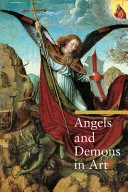
Angels and Demons in Art
 72
72

Angels and Demons in Art
Rosa Giorgi's "Angels and Demons in Art" provides a much-needed visual and conceptual key to understanding the sacred and infernal in Western painting and sculpture. The strength lies in its systematic approach, clearly linking scriptural descriptions to their artistic manifestations. For instance, the chapter detailing the visual evolution of the Last Judgment, referencing artists like Fra Angelico, is particularly illuminating. However, the book occasionally feels more like an academic catalog than a fluid narrative; the sheer volume of examples, while comprehensive, can sometimes overwhelm the interpretive thread. The section on the symbolic meaning of demonic horns and tails, tracing their origins, is a standout. Despite a tendency toward encyclopedic detail, it remains an indispensable resource for anyone seeking to decipher the visual language of the spiritual battlefield in art.
📝 Description
72
### A Visual Lexicon of Celestial and Infernal Imagery This illustrated volume meticulously examines the visual language employed by artists across centuries to depict angels, demons, heaven, and hell, drawing from the rich tapestry of Judeo-Christian scripture. Rosa Giorgi's work, first published in 2005, offers a scholarly yet accessible guide to understanding the evolution of these powerful archetypes in Western art. It traces the visual development of the Creation narrative and the concepts of the afterlife, moving from their scriptural origins to their myriad artistic interpretations.
### Decoding the Symbolism of Divine and Fallen Beings Beyond mere identification, the book functions as a decoder for the symbolic meanings embedded within masterpieces of Western art. By analyzing the iconography of celestial choirs and infernal legions, readers gain insight into how artists conveyed theological concepts, moral lessons, and spiritual states. The work highlights how artistic conventions shifted, influenced by theological debates, cultural shifts, and the expressive needs of different eras.
### Historical Trajectories of Sacred and Profane Art The volume provides a chronological overview, charting the transformation of angelic and demonic representations from early Christian art through the Renaissance and beyond. It demonstrates how artists like Michelangelo, in his Sistine Chapel frescoes, and Hieronymus Bosch, with his complex allegories, contributed to and altered the visual vocabulary of the divine and the damned. The book contextualizes these artistic choices within broader historical and religious movements.
### Key Concepts in Angelic and Demonic Iconography Central to the book's analysis are the evolving visual attributes that signify different orders of angels or specific demonic figures. It explores how wings, halos, particular garments, and accompanying symbols were employed to differentiate archangels from lesser celestial beings, and how demons were rendered to embody sin, temptation, or divine judgment. The work reveals the consistent, yet adaptable, visual grammar used to represent the spiritual realm.
💡 Why Read This Book?
• Understand the visual language of celestial hierarchies and infernal realms, learning how artists from the medieval period onward depicted beings like the Archangel Michael or specific demons based on scriptural interpretations. • Gain insight into the historical development of sacred art, tracing how representations of Creation and the Afterlife evolved from early Christian iconography through the Renaissance, as explored in Chapter 1. • Decode the symbolic attributes of divine and fallen figures, recognizing recurring motifs like wings, halos, or specific monstrous forms that conveyed theological or moral messages to audiences.
⭐ Reader Reviews
Honest opinions from readers who have explored this book.
❓ Frequently Asked Questions
When was "Angels and Demons in Art" originally published?
The book "Angels and Demons in Art" by Rosa Giorgi was first published in 2005, offering a comprehensive analysis of its subject matter.
What artistic traditions does "Angels and Demons in Art" primarily cover?
The book primarily focuses on the Judeo-Christian tradition and its impact on Western art, examining how artists have depicted spiritual beings and realms over centuries.
Does the book explain the symbolism behind specific angelic or demonic figures?
Yes, "Angels and Demons in Art" is dedicated to decoding the symbolic meanings in art, explaining how attributes like wings, halos, or specific demonic features conveyed theological concepts.
Who is the author of "Angels and Demons in Art"?
The author of "Angels and Demons in Art" is Rosa Giorgi, known for her scholarly work in art history and iconography.
Is this book suitable for beginners interested in art history?
Yes, it serves as a guide to imagery, making complex symbolic meanings in Western art accessible to both beginners and experienced scholars.
What is the main goal of Rosa Giorgi's "Angels and Demons in Art"?
The primary goal is to help readers understand and interpret the symbolic representations of angels, demons, heaven, and hell as depicted by artists throughout Western art history.
🔮 Key Themes & Symbolism
The Evolution of Sacred Iconography
This theme traces the visual metamorphosis of biblical narratives and theological concepts concerning the divine and infernal. It highlights how artistic conventions, influenced by scriptural exegesis and theological shifts, transformed representations of Creation, the Fall, and the Afterlife from early Christian sarcophagi to Renaissance frescoes. The work demonstrates how artists responded to evolving doctrines and the desire to communicate complex spiritual ideas through tangible imagery.
Symbolic Language of Celestial Beings
The book deciphers the visual vocabulary used to portray angels, from the nine orders of the celestial hierarchy to specific archangels like Michael and Gabriel. It explains the symbolic weight of attributes such as wings, luminous halos, specific colors, and musical instruments, illustrating how these elements conveyed purity, divine authority, and spiritual messages across different artistic periods and styles.
Manifestations of the Demonic and Temptation
This theme explores the artistic rendering of demons, Satan, and the forces of evil. It examines how artists visually communicated sin, temptation, and divine punishment through monstrous forms, bestial features, infernal landscapes, and symbolic objects. The work analyzes how these depictions served not only to illustrate biblical accounts but also to function as moral exemplars and warnings to viewers.
The Artistic Representation of Heaven and Hell
The volume analyzes the visual construction of paradise and damnation in art. It explores how artists depicted the ethereal beauty of heaven, often using light and architectural motifs, and contrasted it with the fiery torments and chaotic landscapes associated with hell. This theme examines the theological and psychological underpinnings of these visual dichotomies, as seen in works from different eras.
💬 Memorable Quotes
Direct passages from the work, attributed to the author.
“Artists' portrayals of heaven and hell evolved significantly over time.”
— This observation underscores the dynamic nature of religious art, showing that depictions of the afterlife were not static but adapted to changing theological understandings and artistic sensibilities throughout history.
“The visual attributes of angels and demons were carefully chosen to convey specific meanings.”
— This highlights the symbolic intentionality behind artistic choices, suggesting that every element, from a demon's horns to an angel's wings, was imbued with meaning relevant to the theological or moral message.
“Scriptural descriptions formed the foundation for early artistic interpretations.”
— This points to the direct influence of sacred texts on visual culture, indicating that initial artistic renderings of spiritual entities and realms were closely tied to literal or interpretive readings of biblical passages.
“Iconography helps decode the symbolic language of Western masterpieces.”
— This emphasizes the book's function as a guide, equipping readers with the tools of iconography to unlock the deeper, often hidden, layers of meaning within renowned works of art.
“The representation of the Creation and the Afterworld shifted with cultural and theological contexts.”
— This indicates that artistic visions of cosmic beginnings and ultimate destinies were not fixed but were shaped by the prevailing intellectual currents and religious doctrines of their respective historical periods.
🌙 Esoteric Significance
Tradition
While primarily focused on mainstream Judeo-Christian art history, the book's deep dive into the symbolism of angelic and demonic hierarchies touches upon concepts that resonate with various esoteric traditions. Its analysis of divine emanations, fallen spirits, and the structure of spiritual realms implicitly aligns with Neoplatonic and Kabbalistic frameworks, which heavily influenced Western esotericism and often informed artistic representations of the spiritual cosmos.
Symbolism
Key symbols explored include the multi-winged seraphim, representing divine love and purity, and the often-chimeric forms of demons, symbolizing chaos, sin, and the inversion of divine order. The book also decodes the iconography of the Last Judgment, where the scales of justice, the abyss, and angelic swords carry profound symbolic weight related to cosmic balance, divine retribution, and spiritual warfare.
Modern Relevance
Contemporary practitioners of Western esotericism, including those involved in Hermeticism, ceremonial magic, and comparative mythology, find value in Giorgi's work. It provides a historical and visual lexicon for understanding archetypes and symbolic imagery that continue to appear in modern occult literature, magical systems, and spiritual art. Thinkers exploring the psychology of archetypes, such as those influenced by Jungian analysis, also draw on the book's insights into the enduring power of these figures.
👥 Who Should Read This Book
• Students of Western Art History: Those beginning or advancing their studies will find this book an invaluable resource for understanding the iconography and symbolism behind countless religious masterpieces. • Practitioners of Esoteric Traditions: Individuals engaged with Hermeticism, Kabbalah, or ceremonial magic can use this volume to deepen their understanding of visual archetypes prevalent in their fields. • Art Enthusiasts and Scholars: Anyone seeking to move beyond surface-level appreciation of art will benefit from learning how to decode the complex layers of meaning embedded in depictions of the divine and infernal.
📜 Historical Context
Published in 2005, Rosa Giorgi's "Angels and Demons in Art" arrived at a time when scholarly interest in religious iconography and its historical development remained robust. The "Guide to Imagery" series, to which this book belongs, aimed to explain complex visual codes prevalent in Western art, a project that gained momentum throughout the late 20th century with scholars like Erwin Panofsky having laid foundational groundwork. Giorgi's work engages with the long tradition of iconographic analysis, building upon earlier studies of medieval and Renaissance art. While not directly engaging with contemporary theological debates, the book implicitly addresses the enduring power of these visual narratives in a secularizing world. Its reception was generally positive within art historical circles, appreciated for its systematic cataloging of visual motifs and its clear explanations of complex symbolism, offering a counterpoint to more abstract art historical theory that might overlook such detailed visual exegesis.
📔 Journal Prompts
The visual evolution of Archangel Michael's iconography.
The symbolic function of hellish landscapes in Bosch's works.
The transformation of angelic wings across different artistic eras.
The scriptural basis for early depictions of Creation.
The representation of divine judgment through scales and swords.
🗂️ Glossary
Iconography
The study and interpretation of the symbolic meanings attached to images and figures in works of art, particularly in religious or allegorical contexts.
Judeo-Christian Tradition
The combined religious, ethical, and cultural heritage derived from Judaism and Christianity, forming a significant basis for Western art and thought.
Western Art
Art produced in geographical regions considered part of Western civilization, encompassing European art and its descendants in the Americas and Australasia.
Creation
In a religious context, the act by which God or gods brought the universe and life into existence, as described in sacred scriptures.
Afterlife
The existence of a soul or consciousness after the death of the physical body, encompassing concepts like heaven, hell, and purgatory.
Renaissance
A period in European history, roughly from the 14th to the 17th century, marked by a revival of classical art, literature, and learning.
Symbolism
The use of symbols to represent ideas and qualities by giving them symbolic meanings that are different from their literal sense.