Divination
 74
74

Divination
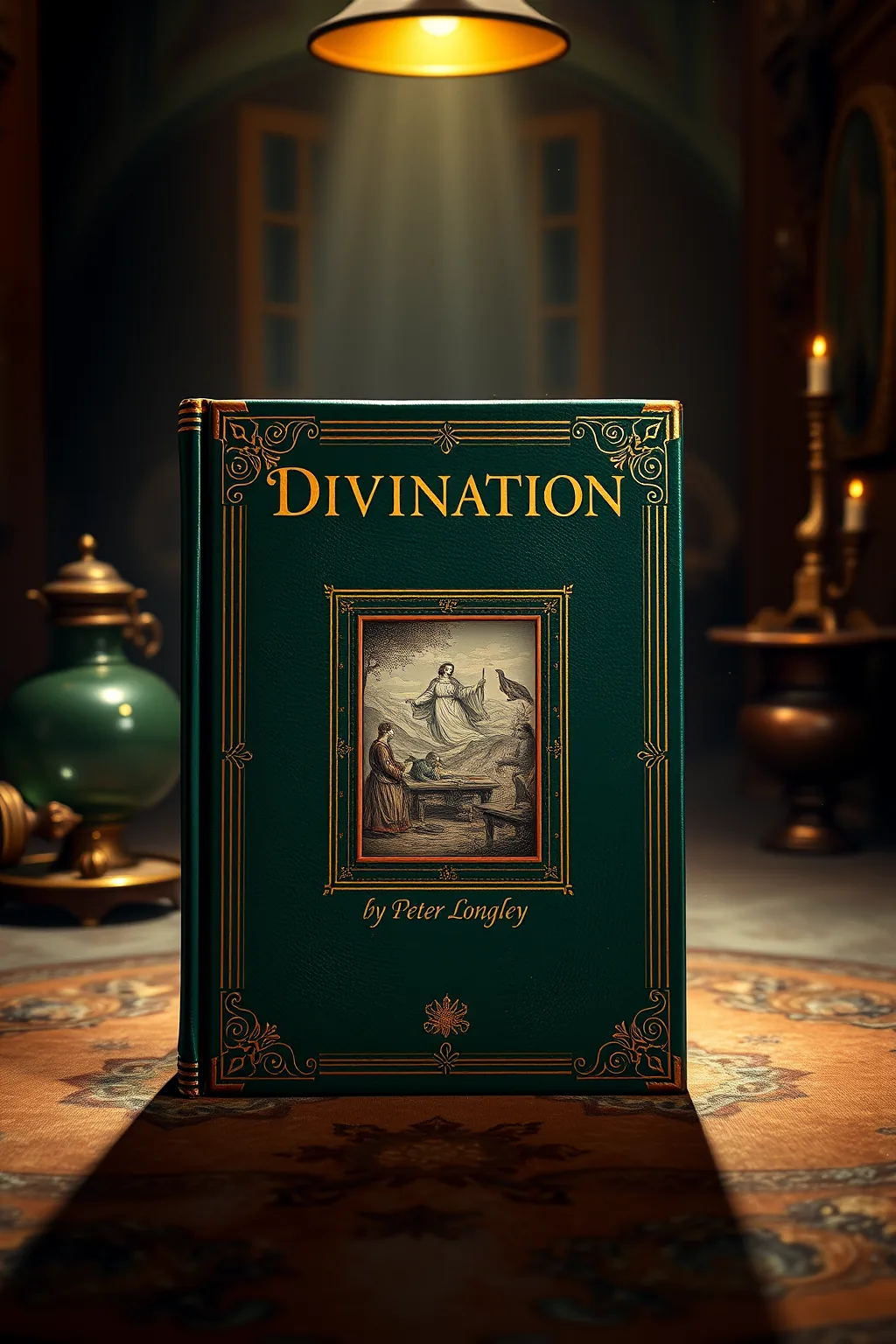
Peter Longley’s "Divination" approaches its subject with a directness often absent in esoteric literature. The book’s primary strength lies in its clear, step-by-step explanations of various divinatory techniques, moving beyond mere theory to practical application. Longley’s discussion of pendulum dowsing, for instance, is particularly lucid, offering concrete guidance on asking questions and interpreting responses. However, the work occasionally feels underdeveloped in its historical sections, presenting a broad overview without deeply engaging with specific academic debates or the philosophical underpinnings that fascinated earlier practitioners. For example, while mentioning tarot cards, it doesn't extensively explore the Golden Dawn's complex Qabalistic associations that shaped modern tarot symbolism. Despite this limitation, the book serves as an accessible entry point for those seeking to understand and practice divination without being overwhelmed by dense esotericism. It’s a functional guide for the novice.
📝 Description
74
Peter Longley's 2014 book 'Divination' presents foretelling as a learnable skill, not a mystical art.
Peter Longley's "Divination" offers a practical approach to understanding and using foretelling methods. The book explains the basic principles behind divination, suggesting it is a skill anyone can learn, rather than an exclusive talent. Longley details how these practices can help clarify future possibilities, assist in making choices, and contribute to personal growth.
This guide is for people interested in the forces that shape their lives and who want practical ways to find guidance. It welcomes those new to esoteric subjects and those with experience seeking to expand their methods. Readers focused on self-improvement, decision-making, and alternative ways of gaining knowledge will find this useful.
The book discusses core concepts in divination, such as synchronicity, the meaningful connection between events. It also covers how focus and intention are important in the divinatory process, the symbolic language of different tools, and ethical concerns when seeking future information. Longley suggests divination is a conversation with a deeper reality.
Divination has ancient roots, with practices originating in Mesopotamia and Egypt, and evolving through cultures like Rome and medieval astrology. Longley's work connects these historical traditions to modern use, recognizing the ongoing human need to interpret signs and seek guidance beyond direct observation. The book frames divination as a dialogue, linking the individual seeker with a broader reality through symbolic interpretation and focused intent.
💡 Why Read This Book?
• You will learn specific techniques for pendulum dowsing, including proper question formulation and response interpretation, as detailed in Longley's practical approach to this ancient method. • You will gain an understanding of how synchronicities, as discussed in the book, can be observed and interpreted as meaningful signs in your daily life. • You will be introduced to the diverse historical methods of divination, providing context for practices dating back to ancient Mesopotamia and their enduring relevance.
⭐ Reader Reviews
Honest opinions from readers who have explored this book.
❓ Frequently Asked Questions
What is the primary purpose of divination as explained by Peter Longley?
Peter Longley explains divination as a practice for gathering information through ritual, intended to provide insight into future events, guide decision-making, and enhance personal success.
What are some of the divination methods covered in the book?
The book covers various methodologies, including the use of tarot cards, pendulum dowsing, and the interpretation of omens, among others, offering practical guidance for each.
Can beginners use Peter Longley's 'Divination'?
Yes, the book is designed to explain everything a beginner needs to know to start using divination, making it accessible for those new to the subject.
When was Peter Longley's 'Divination' first published?
Peter Longley's 'Divination' was first published on December 19, 2019, making it a relatively recent exploration of the subject.
What is the concept of 'omens' in divination?
Omens, as explored in the book, refer to events or signs observed in nature or daily life that are interpreted as portents or messages about future occurrences.
How does the book approach the idea of 'success' through divination?
The book suggests that by understanding future possibilities and making informed choices through divinatory insights, individuals can increase their likelihood of achieving personal success.
🔮 Key Themes & Symbolism
Practical Application of Divination
The core of Longley's work emphasizes the practical application of divinatory arts. Rather than getting lost in abstract theory, the book provides actionable steps for readers to engage with techniques like tarot and pendulum dowsing. It frames divination as a tool for concrete outcomes: understanding future events, making better choices, and achieving personal success. This pragmatic approach aims to clarify the practice, making it accessible for everyday use and personal development.
Guidance and Decision Making
A central theme is how divination serves as a compass for life's decisions. The book explores how consulting divinatory tools can offer clarity when faced with uncertainty, helping individuals discern the most advantageous path forward. It posits that by tapping into a broader spectrum of information, one can make choices that lead to greater personal fulfillment and success, moving beyond purely rational or intuitive methods.
Diverse Divinatory Methodologies
Longley's 'Divination' introduces a spectrum of techniques, acknowledging the complex nature of this ancient practice. It covers well-known methods such as tarot card readings and pendulum dowsing, alongside the interpretation of omens. By presenting these varied approaches, the book highlights that divination is not monolithic but encompasses a rich array of traditions and tools, each offering a unique lens through which to view the world and its unfolding events.
Understanding Future Events
The book directly addresses the human fascination with the future, positioning divination as a means to gain insight into what lies ahead. It explains how rituals and specific methodologies can be used to interpret potential outcomes and understand the currents shaping future events. This focus on foresight aims to empower readers by providing them with a framework for anticipating and potentially influencing their destiny.
💬 Memorable Quotes
Direct passages from the work, attributed to the author.
“Divination is the practice of gathering information about a subject through using a particular ritual.”
— This definition anchors divination in a structured, intentional process, distinguishing it from mere guesswork. It emphasizes the role of ritual as a key component for obtaining reliable insights.
“This book will explain to you everything you need to know about divination, and how you can begin using it to understand information about future events.”
— This statement highlights the book's pedagogical intent, promising comprehensive instruction for neophytes. It positions divination as an accessible skill for understanding the unfolding of time.
“how you can become more successful!”
— This phrase underscores the practical, outcome-oriented benefit of divination presented in the book. It suggests that divinatory insight can be a direct pathway to achieving personal and professional goals.
“there are many different methodologies for divination, including the use of tarot cards, pendulum dowsing, and omens, among many others”
— This acknowledges the breadth of divinatory practices, indicating that the book covers a range of techniques. It implies that readers will be exposed to diverse methods beyond just one or two popular forms.
“understand information about ... what choices you should make”
— This interpretation focuses on the decision-making aspect of divination. It suggests the practice offers guidance on navigating choices, implying a benefit of improved judgment and direction in life.
🌙 Esoteric Significance
Tradition
This work fits within the broad Hermetic and New Age traditions, emphasizing practical application and personal empowerment. It draws from the Hermetic principle of "As Above, So Below," suggesting a correspondence between the macrocosm and the individual's life. While not strictly adhering to a specific lineage like Kabbalism or Gnosticism, it embraces the idea that hidden knowledge (gnosis) can be accessed through symbolic systems and ritualistic practice, aligning with a general esoteric pursuit of understanding universal laws.
Symbolism
The book likely engages with symbols inherent in its featured methods. Tarot cards, for instance, are rich with archetypal imagery from the Major Arcana (e.g., The Fool, The Magician) and symbolic suits (Wands, Cups, Swords, Pentacles), each representing different energies and life aspects. Pendulums, often used with inscribed charts or simply as pointers, symbolize directed energy and the subconscious mind's ability to access information. Omens, too, rely on symbolic interpretation of natural phenomena, from bird flight patterns to unexpected events, treating them as meaningful signs.
Modern Relevance
Contemporary practitioners of divination, particularly those within the self-help and personal development spheres, find resonance with Longley's approach. Thinkers and groups exploring mindfulness, intuitive development, and 'manifestation' often incorporate divinatory tools like tarot or pendulums as aids. The work's accessibility also appeals to digital-native audiences exploring alternative spirituality online, bridging the gap between historical practices and contemporary needs for guidance in a complex world.
👥 Who Should Read This Book
• Aspiring diviners seeking a clear, practical introduction to methods like tarot and pendulum dowsing, benefiting from step-by-step guidance. • Individuals interested in personal development and decision-making, who can use the book's insights to gain clarity on life choices and future possibilities. • Explorers of esoteric traditions looking for an accessible overview of various divinatory techniques without overly complex theoretical frameworks.
📜 Historical Context
Peter Longley's "Divination" emerges in an era marked by a resurgence of interest in esoteric practices, often fueled by digital accessibility and a counter-cultural rejection of purely materialistic worldviews. While divination itself has roots stretching back to ancient Mesopotamia (circa 3000 BCE), its modern iterations often engage with psychological interpretations or blend with New Age philosophies. This work appears in a landscape populated by figures like Carl Jung, whose theories on synchronicity offered a framework for understanding meaningful coincidences relevant to divinatory experiences. Longley's book, published in 2019, sits alongside contemporary explorations that seek to integrate these ancient arts into secular or personal spiritual frameworks, often diverging from the more dogmatic or ritualistically rigid approaches found in earlier occult revivals like that of the Hermetic Order of the Golden Dawn in the late 19th century.
📔 Journal Prompts
Pendulum dowsing: Formulate three distinct questions about a current decision, and record the pendulum's responses.
Tarot card interpretation: Reflect on the symbolic meaning of The Fool in your own life's journey.
Omens: Document any unusual or recurring signs observed in your environment over the past week and their potential significance.
Synchronicity: Analyze a recent meaningful coincidence and consider its possible connection to your current circumstances.
Ritual practice: Design a simple personal ritual for seeking guidance before undertaking a new task.
🗂️ Glossary
Divination
The practice of seeking knowledge about the future or the unknown by supernatural means, often involving ritual and specific tools.
Ritual
A set of actions, often symbolic and performed in a prescribed order, used to achieve a desired spiritual or practical outcome.
Tarot Cards
A deck of cards featuring symbolic imagery, used as a tool for divination, introspection, and spiritual guidance.
Pendulum Dowsing
A divinatory technique using a weighted object suspended from a string, which is believed to indicate answers to yes/no questions or specific information.
Omens
Events or phenomena perceived as signs or portents, interpreted as indicators of future occurrences or divine will.
Synchronicity
The occurrence of events that appear meaningfully related but lack a direct causal connection, often interpreted as significant by the observer.
Esoteric
Intended for or likely to be understood by only a small number of people with a specialized knowledge or interest.