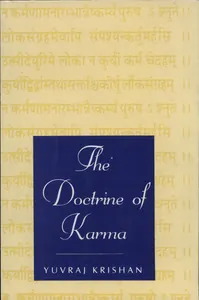
The yoga sutras of Patanjali

 81
81

The yoga sutras of Patanjali
Swami Satchidananda's rendition of Patanjali's Yoga Sutras, first published in 1990, provides an accessible yet serious gateway into the philosophical heart of Yoga. Satchidananda's strength lies in his ability to render dense Sanskrit concepts into clear, encouraging English, making the text approachable for those unfamiliar with traditional Indian philosophy. His commentary, while extensive, occasionally risks oversimplifying the profound depths of Patanjali's original aphorisms. For instance, his explanation of the *Yamas* and *Niyamas* is thorough, but one might wish for more direct engagement with the nuanced ethical dilemmas they present. The work excels at demystifying the concept of *Samadhi*, offering practical pathways rather than abstract ideals. Ultimately, this edition serves as a robust introductory guide for the sincere seeker of Yoga's philosophical dimensions.
📝 Description
81
Swami Satchidananda's 1990 translation illuminates Patanjali's ancient Yoga Sutras.
Swami Satchidananda's 1990 translation of The Yoga Sutras of Patanjali offers a detailed guide to the philosophical and practical aspects of Yoga. This work focuses on *samadhi*, a state of deep mental concentration and spiritual release, rather than just physical postures. It presents the eight limbs of Yoga as a structured path for self-understanding. The commentary is particularly useful for students of Eastern thought, those interested in meditation, and anyone seeking a methodical way to train the mind.
This edition moves beyond the common focus on *asana* (posture) to address the deeper psychological and spiritual dimensions of the yogic tradition. It is a valuable resource for individuals studying comparative religion or ancient Indian philosophies. The sutras themselves, traditionally dated between the 2nd century BCE and the 4th century CE, represent an early effort to codify the teachings of Yoga. They emerged during a period of significant development in Indian philosophical schools, notably Samkhya, which shaped Patanjali's dualistic framework.
Patanjali's Yoga Sutras are a cornerstone of classical Yoga philosophy, aiming to systematize an oral tradition. Dating from the early centuries CE, they emerged alongside the Samkhya system, shaping a worldview centered on the distinction between consciousness (*Purusha*) and matter (*Prakriti*). The text details obstacles to clear perception, known as the *Kleshas*, and outlines a disciplined path, the *Ashtanga Yoga* (eight limbs), to achieve liberation from suffering and attain *samadhi*, a state of profound mental stillness. This work is central to understanding the intellectual underpinnings of yogic practice.
💡 Why Read This Book?
• Gain a practical framework for mental discipline by understanding the eight limbs of Yoga, as detailed in Patanjali's system, to cultivate focus and inner peace. • Explore the foundational concepts of *Prakriti* and *Purusha*, essential for grasping the dualistic philosophical underpinnings that inform the yogic path beyond physical practice. • Learn methods for overcoming the *Kleshas* (afflictions) as outlined in the Sutras, offering tangible strategies for reducing suffering and achieving mental clarity.
⭐ Reader Reviews
Honest opinions from readers who have explored this book.
❓ Frequently Asked Questions
What is the primary goal of the Yoga Sutras of Patanjali?
The primary goal, as articulated by Patanjali and interpreted by Swami Satchidananda, is *citta vritti nirodhah*—the cessation of the fluctuations of the mind. This leads to the realization of one's true nature, Purusha, distinct from Prakriti.
How does Swami Satchidananda's translation differ from others?
Swami Satchidananda's 1990 edition is noted for its accessibility and extensive commentary, aiming to make Patanjali's complex philosophy understandable to a Western audience while retaining the spiritual essence of the original Sanskrit.
Are the Yoga Sutras solely about physical postures?
No, the Yoga Sutras, particularly in this commentary, emphasize the philosophical and psychological aspects of Yoga. Physical *Asana* is only one of the eight limbs, with a greater focus on mental discipline and ethical conduct.
What are the eight limbs of Yoga mentioned in the Sutras?
The eight limbs are Yama, Niyama, Asana, Pranayama, Pratyahara, Dharana, Dhyana, and Samadhi. They form a progressive path from ethical living to profound states of meditation and self-realization.
When were the Yoga Sutras originally written?
The exact date is debated, but scholarly consensus places the original composition of the Yoga Sutras between the 2nd century BCE and the 4th century CE, making it one of the earliest systematic texts on Yoga philosophy.
What does 'Sutras' mean in the context of this book?
Sutras translates to 'threads' or 'aphorisms.' They are concise, pithy statements designed to be easily memorized and expounded upon, forming the core teachings of Patanjali's system.
🔮 Key Themes & Symbolism
Cessation of Mental Fluctuations
The central tenet of Patanjali's system is *citta vritti nirodhah*, the quieting of the mind's incessant activity. This theme is explored through the progressive stages of the eight limbs, detailing how to move from external observances to internal concentration and deep meditation. Swami Satchidananda's commentary guides the reader in understanding how each limb contributes to stilling the mental 'waves' that obscure our true nature, Purusha. The aim is not to suppress thought but to achieve a state of pure awareness, unclouded by distraction or attachment.
The Eight Limbs of Yoga
This work provides a detailed exposition of the *Ashtanga Yoga* (eight-limbed yoga), comprising Yama, Niyama, Asana, Pranayama, Pratyahara, Dharana, Dhyana, and Samadhi. It emphasizes that this is a holistic path, with ethical disciplines (Yama, Niyama) and breath control (Pranayama) forming the crucial foundation for advanced meditative practices. Satchidananda's interpretation clarifies how these limbs interrelate, leading from societal harmony and personal discipline to mastery over the senses and profound states of consciousness.
Distinction Between Purusha and Prakriti
A core philosophical concept presented is the fundamental duality between *Purusha* (pure consciousness, the self) and *Prakriti* (primordial matter, the material world, including the mind and senses). The Sutras teach that suffering arises from mistaking one for the other. This edition elucidates how the yogic path facilitates the discernment of Purusha, leading to liberation from the cycle of birth and death by recognizing the unchanging nature of the true self amidst the flux of the material world.
Overcoming Afflictions (Kleshas)
The text identifies the *Kleshas*—ignorance (*avidya*), egoism (*asmita*), attachment (*raga*), aversion (*dvesha*), and the fear of death (*abhinivesha*)—as the root causes of suffering. Patanjali's sutras offer a systematic approach to dismantling these afflictions through self-awareness, ethical conduct, and meditative practices. Satchidananda's commentary provides practical insights into recognizing and transcending these mental patterns, paving the way for inner peace and spiritual insight.
💬 Memorable Quotes
Direct passages from the work, attributed to the author.
“Yoga is the cessation of the fluctuations of the mind.”
— This foundational sutra defines the essence of Yoga not merely as physical exercise but as a profound practice of mental discipline aimed at achieving inner stillness and clarity.
“Then, the Seer (Purusha) abides in its own true nature.”
— This aphorism describes the ultimate goal of Yoga: the realization of the self (Purusha) as pure consciousness, distinct from all material phenomena and mental states.
“The afflictions (Kleshas) are to be abandoned.”
— This highlights the practical aspect of Yoga, which involves actively working to overcome the mental and emotional obstacles that cause suffering and obscure self-knowledge.
“By the constant practice of the limbs of Yoga...”
— This emphasizes the necessity of sustained effort and diligent application of yogic principles, suggesting that transformation is a gradual process built upon consistent practice.
“Attachment is that which is born of the pleasure-sense.”
— This sutra identifies the origin of attachment, linking it to the pursuit of pleasure and highlighting the need to cultivate equanimity towards pleasant experiences.
🌙 Esoteric Significance
Tradition
The Yoga Sutras are a cornerstone text within the Indic traditions, particularly foundational to classical Yoga philosophy, which heavily influenced later esoteric movements. While not strictly Hermetic or Kabbalistic, its emphasis on inner transformation, consciousness manipulation, and achieving states of higher awareness aligns with the core aims of many esoteric paths. It provides a systematic framework for understanding the human psyche and its potential for transcendence, offering techniques for self-mastery that resonate with Western esotericists seeking to understand the nature of the soul and its journey.
Symbolism
Key symbols in the Sutras include *Purusha* and *Prakriti*, representing the fundamental duality of spirit and matter, the observer and the observed. The concept of *citta vritti nirodhah* (cessation of mental fluctuations) can be seen as symbolizing the clearing of a clouded mirror to reveal the true reflection of the self. The eight limbs themselves function as symbolic stages, mapping a journey from the mundane world of social interaction (*Yama*, *Niyama*) through increasingly refined states of internal control and perception to the ultimate union (*Samadhi*).
Modern Relevance
Contemporary thinkers and practitioners across psychology, neuroscience, and various spiritual disciplines continue to draw from Patanjali's Sutras. Modern mindfulness-based therapies often echo the principles of *Dharana* and *Dhyana*. Western esoteric traditions, including certain schools of Theosophy and New Age philosophies, frequently reference the Sutras for their insights into consciousness, meditation, and the nature of reality. The text remains a vital source for anyone exploring the practical application of ancient wisdom for personal development and spiritual growth.
👥 Who Should Read This Book
• Aspiring practitioners of meditation seeking a structured approach to mental discipline and concentration, moving beyond superficial techniques. • Students of comparative philosophy and religion interested in the foundational texts of Indian thought and their influence on spiritual traditions. • Individuals exploring esoteric paths who wish to understand the psychological and contemplative techniques for self-realization common across diverse wisdom lineages.
📜 Historical Context
The Yoga Sutras of Patanjali represent a central moment in the intellectual history of India, likely compiled between the 2nd century BCE and the 4th century CE. This era was characterized by a vibrant philosophical landscape, with schools like Samkhya, Vedanta, and Buddhism offering diverse perspectives on consciousness, reality, and liberation. Patanjali’s work can be seen as an attempt to systematize the scattered teachings and practices of Yoga, drawing heavily from the Samkhya school's dualistic metaphysics of Purusha and Prakriti. Unlike the more devotional or ritualistic aspects found in other contemporary texts, Patanjali's approach was primarily psychological and experiential, focusing on the internal discipline of the mind. While the sutras themselves were not widely commented upon until the work of Vyasa in the Gupta period (circa 4th-5th century CE), their foundational concepts laid the groundwork for the development of classical Yoga philosophy and its subsequent integration into various religious and spiritual traditions across India.
📔 Journal Prompts
The concept of *citta vritti nirodhah* and its application to daily mental activity.
Reflecting on the five *Yamas* and their relevance in contemporary ethical challenges.
Analyzing the interplay between *Purusha* and *Prakriti* in personal experiences.
Exploring personal obstacles related to the *Kleshas* and potential strategies for their reduction.
The progression through the eight limbs: personal insights into *Asana*, *Pranayama*, and *Dharana*.
🗂️ Glossary
Sutras
Concise aphorisms or threads of wisdom, designed for memorization and elaboration, forming the core teachings of a philosophical system.
Patanjali
The sage traditionally credited with compiling the Yoga Sutras, codifying the philosophy and practice of Yoga around the 1st millennium BCE.
Citta Vritti Nirodhah
The Sanskrit phrase meaning 'the cessation of the fluctuations of the mind,' considered the definition and primary goal of Yoga.
Purusha
In Samkhya and Yoga philosophy, the principle of pure consciousness, the eternal, unchanging Self, distinct from matter and mind.
Prakriti
The primordial matter or substance from which the material universe, including the mind and senses, evolves. It is the phenomenal reality contrasted with Purusha.
Kleshas
The afflictions or sources of suffering in Yoga philosophy, typically enumerated as ignorance, egoism, attachment, aversion, and fear of death.
Samadhi
A state of profound meditative absorption or union, representing the culmination of the yogic path, where the mind becomes still and realizes its true nature.
🔮 Readers Also Liked
Browse all →









More by Satchidananda Swami.
All books →
More Free Occult Philosophy Books
View all →