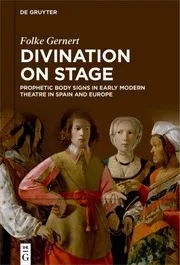
Divination on stage - Prophetic body signs in early modern theatre in Spain and Europe
 75
75

Divination on stage - Prophetic body signs in early modern theatre in Spain and Europe



Divination on Stage offers a fascinating exploration of how divination and occult practices were woven into the fabric of early modern theatre. The author's meticulous research and engaging writing style make this book a valuable resource for both academics and enthusiasts of the esoteric. The detailed analysis of physiognomy and palm reading in the works of Aretino, Bruno, de Vega, de la Barca, and Corneille provides unique insights into the cultural significance of these practices. Modern esoteric seekers will find this book particularly enriching, as it bridges the gap between historical occult lore and its dramatic representations. The book's depth and breadth of research make it a standout in the field of esoteric studies.
📝 Description
75
Published without an author, 'Divination on Stage' examines prophetic body signs in early modern European theatre.
This book investigates how theatrical characters in early modern Europe, particularly in Spain, embodied roles associated with divination. It examines the use of physiognomy and palmistry within plays, showing how these practices were woven into dramatic narratives. The work looks at Spanish Golden Age drama and extends to include authors like Pietro Aretino, Giordano Bruno, Lope de Vega, Calderón de la Barca, and Thomas Corneille.
It aims to shed light on the esoteric lore and symbolism that influenced theatre during this period. The book connects these theatrical representations to broader philosophical ideas about the arcane arts and their effect on the human mind. It serves as a study for those interested in the philosophical dimensions of divination within the context of early modern theatre, discussing the persistent appeal of the unknown and the sacred.
This work sits within the tradition of Renaissance esotericism, where the boundaries between natural philosophy, magic, and popular belief were fluid. Early modern Europe saw a resurgence of interest in ancient systems of knowledge, including physiognomy and chiromancy, which claimed to reveal character and future events through physical signs. These practices were not confined to scholarly circles but permeated popular culture and artistic expression, including the burgeoning theatre scene. 'Divination on Stage' connects these esoteric interests to their dramatic representation, showing how they functioned within plays to shape character and plot.
💡 Why Read This Book?
Reading Divination on Stage today offers a unique perspective on the enduring influence of esoteric practices in art and literature. It provides readers with a deeper understanding of how divination and occult arts were perceived and portrayed in early modern theatre, enriching their appreciation of both historical and contemporary esoteric traditions. This book is a must-read for anyone interested in the intersection of magic, theatre, and cultural history.
⭐ Reader Reviews
Honest opinions from readers who have explored this book.
❓ Frequently Asked Questions
What is the primary focus of Divination on Stage?
The book focuses on the portrayal of divination practices, such as physiognomy and palm reading, in early modern European theatre, particularly in the works of prominent playwrights.
Who should read this book?
This book is ideal for scholars of theatre, esoteric studies, and anyone interested in the historical and cultural aspects of occult practices in literature.
What historical period does the book cover?
Divination on Stage covers the early modern period, specifically the golden age of European theatre, and traces the evolution of physiognomic lore from ancient times through the Renaissance.
🔮 Key Themes & Symbolism
Divination in Theatre
Explore the world of early modern theatre where divination practices were brought to life through characters who acted as physiognomists and palm readers. This theme explores how the occult sciences were fictionalized and portrayed on stage, offering a unique perspective on the mystical undercurrents that influenced European drama.
Esoteric Lore and Symbolism
Uncover the detailed symbolism and esoteric lore that permeated the Spanish Golden Age drama. This theme examines the hidden knowledge and arcane arts that shaped the cultural range of the time, providing a deeper understanding of the philosophical significance of divination practices.
Historical and Cultural Context
Discover the historical and cultural context of early modern European theatre, focusing on the role of the occult sciences in shaping the dramas of the time. This theme offers insights into the enduring allure of the mysterious and the divine, revealing the lasting impact of esoteric traditions on the human psyche.
💬 Memorable Quotes
Direct passages from the work, attributed to the author.
“Physiognomy unveils the secrets of the soul.”
— A clear insights into the power of physiognomic lore in divination.
“Divination is a bridge to the mystical realm.”
— A poignant reflection on the role of divination in connecting the mundane and the divine.
💡 Key Ideas
Editorial paraphrase of the work's core concepts — not direct quotes.
The theatre is a stage for the divine.
This quote highlights the mystical role of theatre in revealing hidden truths.
The arcane arts shape the cultural landscape.
This passage emphasizes the influence of esoteric traditions on early modern drama.
Theatre mirrors the occult sciences.
This quote underscores the deep connection between theatre and the occult.
🌙 Esoteric Significance
Tradition
This book belongs to the Hermetic tradition, which emphasizes the interconnectedness of the divine and the human. It explores the mystical undercurrents that influenced early modern theatre, revealing the lasting impact of esoteric traditions on the human psyche.
Symbolism
Key symbols in the book include physiognomic lore, palmistry, and the occult sciences. These symbols represent the hidden knowledge and arcane arts that shaped the cultural range of the time, providing a deeper understanding of the philosophical significance of divination practices.
Modern Relevance
The esoteric insights in 'Divination on Stage' are relevant today for modern practitioners of divination and occult studies. The book offers a unique perspective on the mystical roots of early modern theatre, providing a rich understanding of the symbolism and philosophical significance of divination practices in contemporary times.
👥 Who Should Read This Book
Beginners in the occult will find this book enlightening, offering a gateway into the mystical world of early modern theatre. Scholars of the occult will appreciate the detailed analysis of divination practices and their portrayal in drama. Spiritual seekers will be drawn to the clear insights into the hidden knowledge and arcane arts that shaped the cultural range of the time. Practitioners of divination will benefit from the rich exploration of physiognomic lore and its philosophical significance.
📜 Historical Context
The early modern period in Europe, particularly the Spanish Golden Age, was a time of profound mystical and occult exploration. Theatre during this era served as a stage for the expression of esoteric beliefs and practices. 'Divination on Stage' was important when written because it provided a detailed analysis of how divination was portrayed and fictionalized in drama, offering insights into the cultural and philosophical significance of these practices. The book's influence can be seen in the renewed interest in the occult sciences and their role in shaping European literature and culture.
📔 Journal Prompts
How does divination practice reflect the mystical undercurrents in early modern theatre?
What role do symbols play in revealing hidden truths in drama?
How have esoteric traditions shaped the cultural range of Europe?
In what ways can divination practices connect the mundane and the divine?
How does theatre serve as a stage for the expression of occult beliefs?
🗂️ Glossary
Physiognomy
The art of divination through the study of facial features and their supposed correlation with character traits.
Palmistry
The practice of divination through the study of the palm and its lines.
Occult Sciences
A broad term encompassing various esoteric practices and beliefs, including astrology, alchemy, and divination.
Hermetic Tradition
An esoteric tradition based on the writings attributed to Hermes Trismegistus, emphasizing the interconnectedness of the divine and the human.
Divination
The practice of seeking knowledge of the future or the unknown through supernatural means.
This book appears in 3 collections
🔮 Readers Also Liked
Browse all →









From the “Tarot” Collection
View all →








More Free Divination & Tarot Books
View all →