Delusion; or, The Witch of New England
 68
68

Delusion; or, The Witch of New England



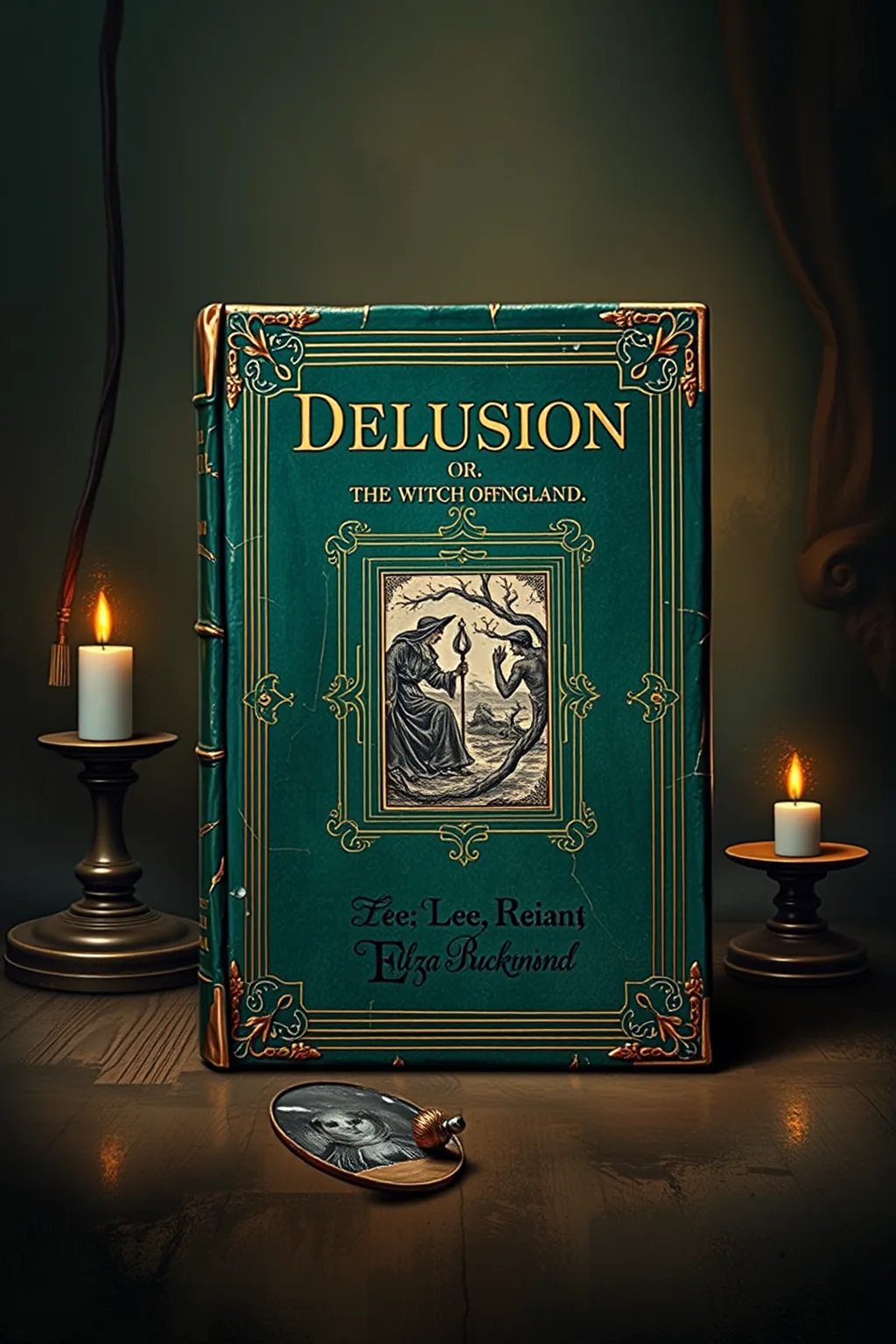
Eliza Buckminster Lee's 'Delusion; or, The Witch of New England' is a seminal work for those delving into the esoteric and occult. Published in 1794, this book provides a unique perspective on the Salem witch trials, blending historical fact with eerie fiction. For modern esoteric seekers, 'Delusion' offers valuable insights into the cultural and psychological underpinnings of witchcraft and paganism in colonial America. Lee's narrative is both haunting and enlightening, making it a valuable addition to any occult library. The book's exploration of fear, superstition, and the power of belief is particularly relevant today, as society continues to grapple with similar issues. Lee's prose, while reflective of its time, is engaging and thought-provoking, making 'Delusion' a must-read for anyone interested in the darker side of history. Rating:
📝 Description
68
Eliza Buckminster Lee's 'Delusion; or, The Witch of New England' examines belief and illusion in colonial Salem.
Published in 1859, Eliza Buckminster Lee's 'Delusion; or, The Witch of New England' probes the intersection of belief, superstition, and perceived reality within the context of colonial America. The narrative centers on the figure of a woman accused of witchcraft, using her story to question the foundations of societal judgment and individual perception. Lee employs evocative language to depict a period where the boundaries between the rational and the supernatural were frequently challenged.
The book invites readers to consider the psychological and social forces that contribute to the creation of 'delusion,' both on an individual and communal level. It is a work that engages with themes of accusation, isolation, and the power of narrative in shaping historical understanding. The text does not present itself as a factual account of witchcraft but rather as a literary exploration of the human condition when confronted with fear and the unknown.
This work engages with themes often found in esoteric literature, particularly those concerned with psychological states and societal anxieties that manifest in accusations of the supernatural. While not a grimoire or a direct guide to occult practices, 'Delusion' reflects a period of interest in the hidden currents of human experience and the darker aspects of collective consciousness. It touches upon the ways in which societies construct narratives around perceived 'others,' a common thread in investigations of folklore, mythology, and early studies of the psyche.
✍️ Author
Lee, Eliza Buckminster
Eliza (Buckminster) Lee (1792–1864) was an American author. She wrote a number of prose works in various genres, including biography, memoir, and fiction, and she translated from German.
💡 Why Read This Book?
Reading 'Delusion; or, The Witch of New England' today offers a unique opportunity to explore the roots of American witchcraft and paganism. This book provides a historical context that is both fascinating and chilling, shedding light on the fears and superstitions that shaped colonial society. For modern readers, it serves as a reminder of how easily misinformation and fear can lead to tragic outcomes. Additionally, 'Delusion' offers valuable insights into the enduring legacy of witchcraft in American culture, making it a compelling read for those interested in the occult and paranormal fiction.
⭐ Reader Reviews
Honest opinions from readers who have explored this book.
❓ Frequently Asked Questions
What is 'Delusion; or, The Witch of New England' about?
This book is a blend of historical fiction and occult lore, focusing on the Salem witch trials and the darker aspects of colonial New England. It explores themes of fear, superstition, and the power of belief.
Is this book suitable for readers interested in the occult?
Absolutely. 'Delusion' provides a rich exploration of witchcraft and paganism, making it a valuable read for those interested in esoteric and occult literature.
What historical context does the book provide?
The book is set during the colonial period in Salem, Massachusetts, and delves into the infamous Salem witch trials, offering insights into the fears and superstitions of the time.
🔮 Key Themes & Symbolism
Witchcraft and Delusion
The book delves deeply into the themes of witchcraft and delusion, exploring how these concepts intertwine in the minds of the characters and the historical context of colonial Salem. It invites readers to question the nature of reality and illusion, making it a profound exploration of the occult.
Historical Mysticism
Set against the backdrop of colonial Salem, this book offers a unique perspective on the mystical undercurrents of the era. It provides insights into the esoteric traditions that were prevalent during this time, making it a valuable resource for scholars of occult history.
Symbolism and Hidden Knowledge
Rich in symbolism and hidden knowledge, 'Delusion; or, The Witch of New England' invites readers to decipher the mystical codes embedded within the narrative. This makes it an ideal read for those seeking to uncover the deeper layers of esoteric wisdom.
💡 Key Ideas
Editorial paraphrase of the work's core concepts — not direct quotes.
In the shadows of the mind, delusion and reality entwine.
This quote underscores the book's exploration of the blurred lines between reality and illusion.
The witch's power lies in the belief of the beholder.
This line highlights the psychological aspect of witchcraft and its dependence on belief.
Salem's past whispers secrets in the wind.
This quote emphasizes the mystical undercurrents of Salem's history, inviting readers to explore its hidden knowledge.
Truth is a veil that hides the deeper mysteries.
This line encourages readers to look beyond the surface and examine the esoteric insights hidden within.
The heart of the occult beats in the rhythm of the unknown.
This quote underscores the book's exploration of the occult and its fascination with the mysterious and unknown.
🌙 Esoteric Significance
Tradition
This book belongs to the Hermetic tradition, which emphasizes the exploration of hidden knowledge and the mystical undercurrents of reality. It draws on the symbolism and rituals of witchcraft and paganism, making it a valuable resource for those interested in the esoteric traditions of New England.
Symbolism
Key symbols in the book include the witch's cauldron, representing transformation and hidden knowledge, and the moon, symbolizing the cycles of nature and the occult. These symbols are woven into the narrative to create a wide range of mystical insight.
Modern Relevance
The book's exploration of witchcraft and delusion remains relevant today, as modern practitioners and scholars continue to examine the esoteric traditions of New England. It serves as a valuable resource for those seeking to understand the deeper layers of occult wisdom and its significance in contemporary spiritual practices.
👥 Who Should Read This Book
Beginners in the field of esoteric studies will find 'Delusion; or, The Witch of New England' an accessible introduction to the mystical and occult themes of colonial Salem. Scholars of esoteric traditions will appreciate the depth of historical and symbolic insights offered in the book. Spiritual seekers and practitioners of pagan rituals will find rich material for contemplation and spiritual growth, making this book a must-read for anyone fascinated by the occult and the paranormal.
📜 Historical Context
Set in the colonial period of Salem, 'Delusion; or, The Witch of New England' provides a unique glimpse into the mystical and occult beliefs of the time. This era was marked by a deep fascination with the supernatural, making it a fertile ground for the exploration of witchcraft and paganism. The book's historical context is significant as it sheds light on the esoteric traditions that were prevalent during this period, offering valuable insights for scholars and spiritual seekers alike.
📔 Journal Prompts
How does the book explore the blurred lines between reality and illusion?
What are the key symbols in the narrative and what do they represent?
How does the historical context of colonial Salem influence the story?
What insights does the book offer into the esoteric traditions of New England?
How can the themes of delusion and witchcraft be applied to modern spiritual practices?
🗂️ Glossary
Witchcraft
The practice of magical skills and the invocation of supernatural forces, often associated with pagan rituals and esoteric traditions.
Delusion
A false belief or perception, often stemming from psychological or supernatural influences.
Occult
Relating to supernatural, mystical, or magical phenomena, often involving hidden knowledge and esoteric practices.
Paganism
A broad term encompassing various nature-based and polytheistic spiritual traditions, often involving rituals and practices associated with witchcraft.
Esoteric
Intended for or likely to be understood by only a small number of people with a specialized knowledge or interest.
This book appears in 2 collections
🔮 Readers Also Liked
Browse all →
From the “Witchcraft” Collection
View all →






More Free Witchcraft & Paganism Books
View all →