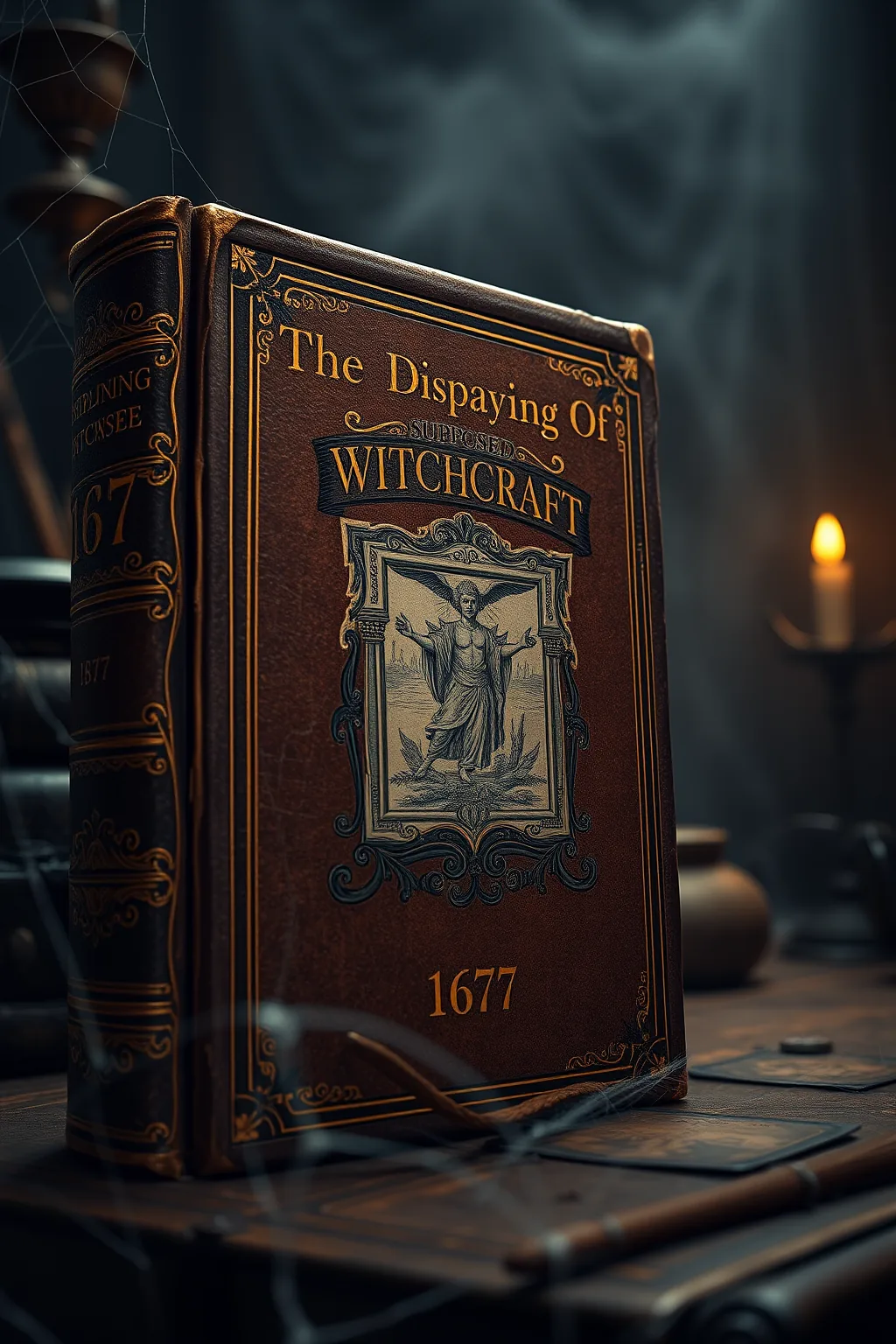
The Displaying Of Supposed Witchcraft ( 1677)
 73
73

The Displaying Of Supposed Witchcraft ( 1677)



'The Displaying Of Supposed Witchcraft (1677)' is a fascinating and meticulously researched text that provides an in-depth look into the witchcraft trials of the late 17th century. The author's detailed accounts of various cases offer a compelling narrative that highlights the societal fears and superstitions of the time. For modern esoteric seekers, this book serves as a valuable historical document that sheds light on the origins of many pagan and witchcraft practices. It is a must-read for those interested in the history of witchcraft and its enduring impact on contemporary esoteric beliefs. The text is rich in historical context and provides a nuanced understanding of the cultural and religious dynamics that shaped these events. The book's thorough documentation and insightful analysis make it an invaluable resource for scholars and enthusiasts alike. Overall, 'The Displaying Of Supposed Witchcraft (1677)' is a five-star read for anyone seeking to deepen their understanding of witchcraft and its historical significance.
📝 Description
73
Published in 1677, The Displaying Of Supposed Witchcraft examines claims of magic and demonic influence.
This 1677 anonymous work scrutinizes contemporary beliefs about witchcraft. It questions the evidence and rationales behind accusations, challenging the prevailing notions of supernatural powers attributed to accused individuals. The author separates popular superstition from demonstrable reality, dissecting arguments for the existence of witches and their purported pacts with dark forces.
The text systematically reviews testimonies and confessions, evaluating their credibility with a skeptical eye. It considers the philosophical and theological frameworks used to justify belief in witchcraft, offering a measured critique. The author aims to clarify what constitutes genuine supernatural phenomena versus human error, fraud, or delusion within the context of 17th-century society.
While not overtly promoting magical practices, this book engages with the occult milieu of the late 17th century by dissecting the very beliefs that fueled fears of witchcraft. It stands as a counterpoint to more credulous accounts, reflecting a period of intellectual transition where rational inquiry began to challenge deeply ingrained supernatural explanations. The text's examination of demonic pacts and spectral evidence places it within discussions concerning early modern demonology and the philosophy of belief.
💡 Why Read This Book?
Reading 'The Displaying Of Supposed Witchcraft (1677)' today offers a unique opportunity to explore the roots of modern paganism and witchcraft. This book provides a historical context that helps readers understand the evolution of these practices and their enduring relevance. By delving into the societal and cultural dynamics of the 17th century, readers gain a deeper appreciation for the struggles and persecutions faced by early practitioners. This text is invaluable for those seeking to connect with the historical legacy of witchcraft and to understand its impact on contemporary esoteric beliefs.
⭐ Reader Reviews
Honest opinions from readers who have explored this book.
❓ Frequently Asked Questions
What is the main focus of 'The Displaying Of Supposed Witchcraft (1677)'?
The main focus of this book is the examination of witchcraft accusations, trials, and executions in the late 17th century. It provides a detailed historical context and analysis of the societal fears and superstitions that fueled these events.
Who should read this book?
This book is ideal for historians, scholars of esoteric studies, and anyone interested in the history of witchcraft and paganism. It offers valuable insights into the cultural and religious dynamics of the 17th century.
What can modern readers gain from this text?
Modern readers can gain a deeper understanding of the historical roots of witchcraft and its enduring impact on contemporary esoteric beliefs. The book provides a nuanced perspective on the societal and cultural dynamics that shaped these events.
🔮 Key Themes & Symbolism
Occult Practices
The book explores the hidden rituals and practices of witchcraft, revealing the esoteric traditions that shaped the occult world of the 17th century. These practices offer insights into the mystical dimensions of witchcraft and their enduring influence on modern occultism.
Symbolism and Hidden Knowledge
The Displaying Of Supposed Witchcraft explores the detailed symbolism and hidden knowledge that underpin witchcraft. The text provides a deep dive into the arcane symbols and their meanings, offering readers a glimpse into the esoteric world of the occult.
Philosophical Significance
This book examines the philosophical significance of witchcraft, revealing how esoteric beliefs and practices have shaped our understanding of the mystical and the unexplained. The text invites readers to reflect on the clear insights and hidden truths that lie at the heart of witchcraft.
💡 Key Ideas
Editorial paraphrase of the work's core concepts — not direct quotes.
The occult world is a collection of hidden meanings and arcane wisdom.
This quote underscores the depth and complexity of the esoteric traditions explored in the book.
Witchcraft is a journey into the mysterious and the unexplained.
This line highlights the mystical and enigmatic nature of witchcraft, inviting readers to explore its hidden dimensions.
The rituals of witchcraft reveal the esoteric traditions that shape our understanding of the occult.
This passage emphasizes the importance of occult rituals in uncovering the hidden knowledge of the mystical world.
The symbols of witchcraft hold the key to unlocking the secrets of the esoteric.
This quote suggests that the symbols and rituals of witchcraft are essential for understanding the deeper mysteries of the occult.
The philosophical significance of witchcraft lies in its ability to reveal hidden truths.
This line underscores the clear insights and esoteric wisdom that can be gained from studying witchcraft.
🌙 Esoteric Significance
Tradition
This book belongs to the Hermetic tradition, which emphasizes the hidden knowledge and esoteric practices that connect the mystical and the physical worlds. The text explores the rituals and symbols that have shaped our understanding of witchcraft, revealing the clear insights and arcane wisdom of the occult.
Symbolism
Key symbols in this book include ancient runes, mystical sigils, and arcane rituals, each holding deep esoteric meanings. These symbols are integral to understanding the hidden knowledge and mystical dimensions of witchcraft, offering readers a glimpse into the esoteric world of the occult.
Modern Relevance
The esoteric insights and symbolism explored in this book continue to influence modern practitioners of witchcraft and the occult. Today, seekers of hidden truths and esoteric knowledge find value in the clear insights and arcane wisdom revealed in this text, making it an essential read for those interested in the mystical and the unexplained.
👥 Who Should Read This Book
This book is ideal for beginners seeking an introduction to the occult and witchcraft, as well as scholars of history and esoteric traditions. Spiritual seekers and practitioners of the mystical arts will find rich insights and hidden knowledge that deepen their understanding of the occult world. Whether you are a curious novice or an experienced occultist, this text provides a comprehensive and enlightening exploration of the hidden dimensions of witchcraft.
📜 Historical Context
Published in 1677, The Displaying Of Supposed Witchcraft emerged during a time when beliefs in the supernatural were prevalent. The era was marked by religious fervor, superstition, and a deep-seated fear of the unknown, leading to widespread persecution of those accused of witchcraft. This book was important in its time as it provided a voice for those seeking to understand the esoteric practices and beliefs that shaped the occult world. Its influence can be seen in the enduring fascination with witchcraft and the occult, making it a foundational text for modern practitioners and scholars.
📔 Journal Prompts
How do the occult practices and rituals in this book resonate with your own spiritual journey?
What symbols or esoteric traditions from this text have you encountered in your studies?
How does the philosophical significance of witchcraft influence your understanding of the mystical?
In what ways can the hidden knowledge and arcane wisdom in this book enhance your practice of the occult?
How do the historical context and modern relevance of this text shape your perspective on witchcraft?
🗂️ Glossary
Hermetic Tradition
A philosophical and spiritual tradition that emphasizes the hidden knowledge and esoteric practices connecting the mystical and physical worlds.
Arcane Wisdom
Hidden knowledge and insights that are revealed through the study of esoteric traditions and occult practices.
Mystical Dimensions
The enigmatic and unexplained aspects of the occult and witchcraft that reveal hidden truths and clear insights.
Esoteric Traditions
The secret rituals, symbols, and practices that shape our understanding of the occult and mystical worlds.
Symbolism
The use of symbols and sigils in witchcraft and the occult to convey hidden meanings and esoteric knowledge.
This book appears in 2 collections
🔮 Readers Also Liked
Browse all →








From the “Witchcraft” Collection
View all →





More Free Witchcraft & Paganism Books
View all →