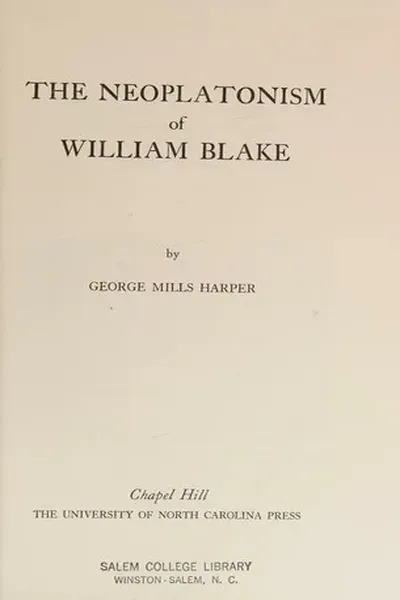
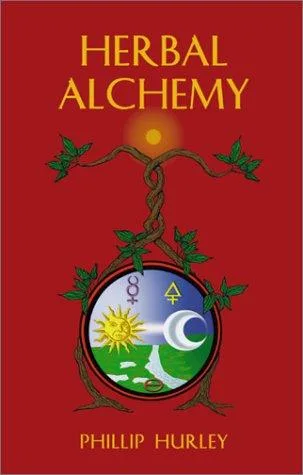
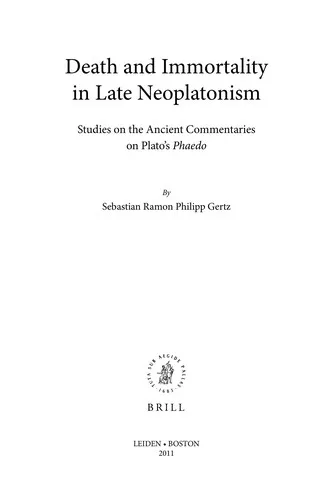
Death and immortality in late Neoplatonism
 61
61

Death and immortality in late Neoplatonism


Review by Aurelia Blackwood (Occult Philosophy Critic) — Sebastian Ramon Philipp Gertz's 'Death and Immortality in Late Neoplatonism' is a tour de force in esoteric scholarship. The author masterfully navigates the intricate web of Neoplatonic thought, providing profound insights into the immortal soul's enduring fascination. Gertz's detailed analysis of ancient commentaries offers a unique perspective on the reception of Platonism, making this book an invaluable resource for both scholars and spiritual seekers. The strengths of this work lie in its meticulous research and evocative prose, which together create an atmosphere of mystical contemplation.
📝 Description
61
Sebastian Ramon Philipp Gertz's 2016 study examines death and immortality in late Neoplatonism.
This book analyzes the late Neoplatonic understanding of death and immortality, focusing on the commentaries of Olympiodorus and Damascius. Gertz traces how these thinkers engaged with earlier Platonic traditions, particularly Socrates' arguments for the soul's survival in Plato's Phaedo. The work details discussions on philosophical suicide and the ideal life of the philosopher as presented by these late antique commentators.
It investigates the methods these philosophers used to interpret Plato and other sources, revealing their distinct philosophical positions. The study considers how concepts of the soul's nature, its journey after death, and the pursuit of true knowledge shaped their views on mortality. Gertz offers a close reading of key texts, highlighting the philosophical and spiritual dimensions of these debates within the Neoplatonic schools.
In late antiquity, Neoplatonism represented a sophisticated philosophical and spiritual system that sought to unify diverse ancient traditions. Thinkers like Olympiodorus and Damascius, working within this tradition, engaged deeply with Plato's dialogues, seeing them as repositories of profound spiritual knowledge. Their commentaries were not mere academic exercises but attempts to transmit a way of life aimed at achieving divine union. This book situates their specific discussions on death and immortality within that broader context of philosophical ascent and the esoteric interpretation of classical texts.
💡 Why Read This Book?
Read this book to gain a deeper understanding of the mystical themes surrounding death and immortality in late Neoplatonism. Ideal for scholars, spiritual seekers, and practitioners of occult philosophy, 'Death and Immortality in Late Neoplatonism' offers a rich exploration of ancient wisdom and hidden knowledge. Dive into the esoteric insights of Olympiodorus and Damascius, and discover the enduring relevance of Platonism in today's world.
⭐ Reader Reviews
Honest opinions from readers who have explored this book.
❓ Frequently Asked Questions
What is the primary focus of this book?
The book explores the belief in the immortality of the soul through the lens of late Neoplatonism, focusing on ancient commentaries by Olympiodorus and Damascius.
Who is the intended audience for this book?
This book is intended for scholars, spiritual seekers, and practitioners interested in occult philosophy and the mystical themes of death and immortality.
What makes this book unique?
The book offers a detailed discussion of topics such as suicide, the life of the philosopher, and arguments for immortality, providing unique insights into the reception of Platonism.
Can beginners benefit from reading this book?
While the book is scholarly in nature, it is accessible to beginners with an interest in occult philosophy and a willingness to delve into complex ideas.
Is there a digital version of this book available?
Check with the publisher or online retailers to see if a digital version is available. You can also explore libraries that offer e-book lending services.
🔮 Key Themes & Symbolism
The Immortal Soul
Look at the ancient belief in the immortality of the soul as defended by Socrates in Plato's Phaedo. This theme explores the esoteric insights of Olympiodorus and Damascius, offering a unique perspective on the reception of Platonism.
Suicide and the Philosopher's Life
This book examines the philosophical discussions surrounding suicide and the life of the philosopher, providing a deep dive into the mystical themes that permeate Neoplatonic thought.
Arguments for Immortality
Explore the detailed arguments for the immortality of the soul, drawing on ancient commentaries and esoteric wisdom to uncover the hidden knowledge that has captivated philosophers for centuries.
💬 Memorable Quotes
Direct passages from the work, attributed to the author.
“Through detailed discussions, this study demonstrates the commentators' serious engagement with Platonic thought.”
— Gertz highlights the depth of scholarly engagement with ancient texts, revealing hidden insights.
“Ancient commentaries offer a unique perspective on the reception of Platonism.”
— The book's focus on ancient commentaries provides a fresh look at the enduring relevance of Platonism.
💡 Key Ideas
Editorial paraphrase of the work's core concepts — not direct quotes.
The belief in the immortality of the soul is one of the twin pillars of Platonism.
This quote underscores the foundational importance of the immortal soul in Neoplatonic philosophy.
The life of the philosopher is a journey towards understanding the eternal.
This quote emphasizes the mystical quest for knowledge and the pursuit of eternal truths.
The arguments for immortality are a evidence of the enduring fascination with the soul's journey.
This quote captures the mystical allure of the immortal soul and its philosophical significance.
🌙 Esoteric Significance
Tradition
This book belongs to the Hermetic tradition, which emphasizes the pursuit of hidden knowledge and the mystical quest for understanding. The focus on the immortal soul and the esoteric insights of ancient commentators aligns with the Hermetic principles of spiritual transformation and the search for eternal truths.
Symbolism
Key symbols in this book include the immortal soul, the philosopher's life, and the journey towards understanding the eternal. These symbols represent the mystical quest for knowledge and the pursuit of hidden wisdom, reflecting the deeper meanings that underlie Neoplatonic thought.
Modern Relevance
The themes explored in 'Death and Immortality in Late Neoplatonism' remain relevant today, as modern practitioners and scholars continue to look at the mysteries of the immortal soul and the esoteric traditions that have shaped Western philosophy. This book offers valuable insights for those seeking to understand the enduring fascination with death and immortality in contemporary spiritual and philosophical discourse.
👥 Who Should Read This Book
Beginners interested in occult philosophy will find this book accessible and enlightening, offering a gateway into the mystical themes of death and immortality. Scholars will appreciate the detailed analysis and esoteric insights, making it an invaluable resource for academic research. Spiritual seekers will benefit from the contemplative atmosphere and the strong symbolism that permeates the text. Practitioners of Hermetic and Neoplatonic traditions will find this book to be a deep dive into the ancient wisdom that continues to influence modern esoteric thought.
📜 Historical Context
Written during a time of intellectual ferment, 'Death and Immortality in Late Neoplatonism' reflects the philosophical debates of the late Neoplatonic era. This period saw a renewed interest in Platonism and the esoteric traditions that had been passed down through generations. The book's detailed discussions on suicide, the philosopher's life, and arguments for immortality were particularly important as they addressed the existential questions that plagued the minds of philosophers and seekers of hidden knowledge. Its influence can be seen in the enduring fascination with the immortal soul and the mystical themes that continue to captivate scholars and spiritual seekers today.
📔 Journal Prompts
Reflect on the concept of the immortal soul and its significance in your spiritual journey.
Consider the philosophical discussions surrounding suicide and the life of the philosopher.
Explore the arguments for immortality and their relevance to your understanding of existence.
Look at the esoteric insights of ancient commentators and their influence on modern thought.
Write about the mystical quest for knowledge and the pursuit of eternal truths in your own life.
🗂️ Glossary
Neoplatonism
A school of philosophy that emerged in the 3rd century CE, building upon the teachings of Plato and emphasizing the mystical and esoteric aspects of his thought.
Platonism
The philosophical system developed by Plato, focusing on the immortal soul, the eternal forms, and the pursuit of wisdom.
Olympiodorus
An ancient Neoplatonic commentator known for his detailed analysis of Platonic dialogues, particularly the Phaedo.
Damascius
A Neoplatonic philosopher and commentator who contributed significantly to the reception of Platonism in late antiquity.
Hermeticism
An esoteric tradition that emphasizes the pursuit of hidden knowledge and the mystical quest for understanding, often associated with the writings attributed to Hermes Trismegistus.
This book appears in 11 collections
🔮 Readers Also Liked
Browse all →









More by Sebastian Ramon Philipp Gertz
All books →
From the “Neoplatonism” Collection
View all →







More Free Alchemy & Hermeticism Books
View all →