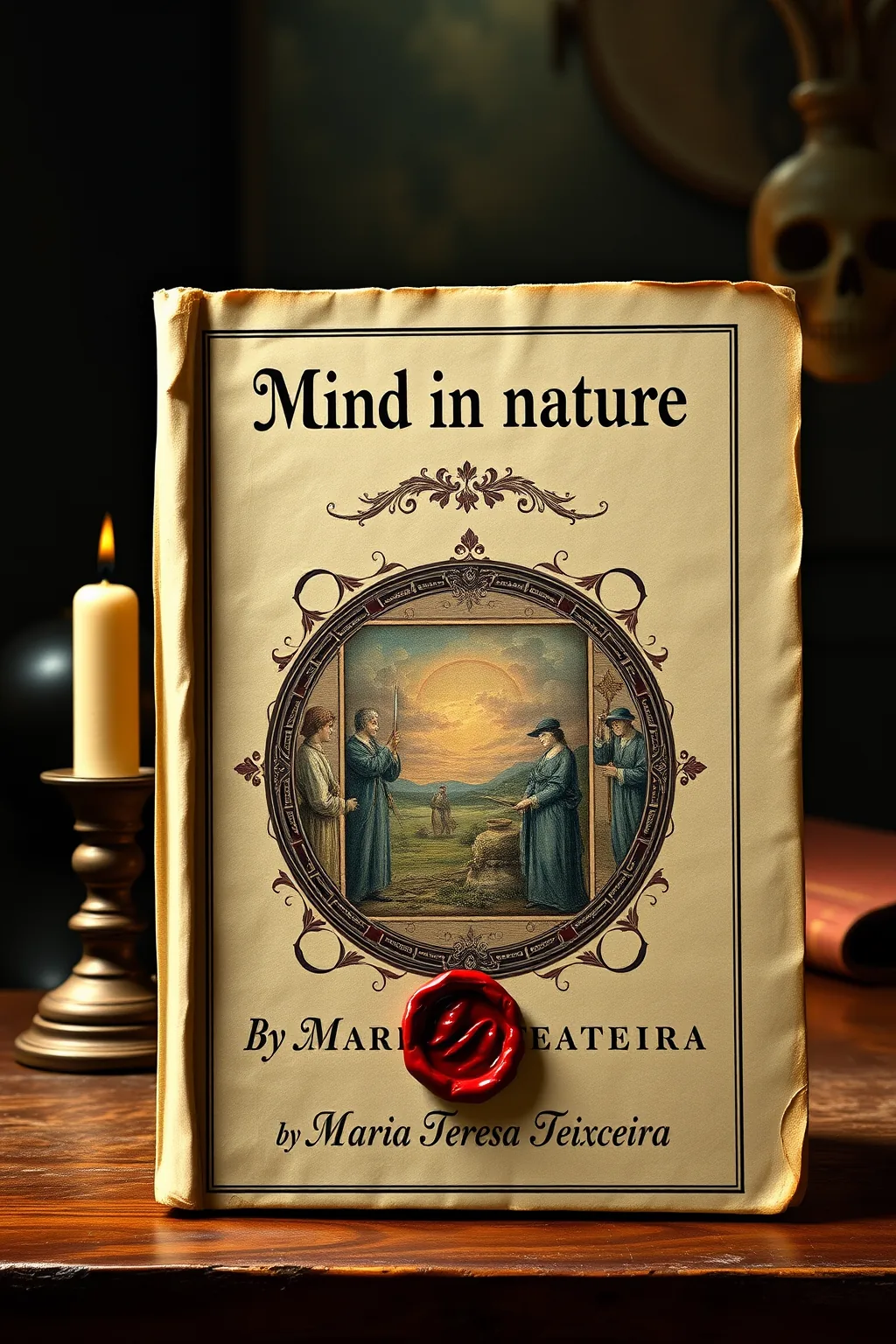
Mind in nature
 61
61

Mind in nature


Review by Silas Hawthorne (Hermetic Studies Editor) — Maria Teresa Teixeira's Mind in Nature is a tour de force in the realm of esoteric literature. This work masterfully integrates the profound insights of Neoplatonism with the dynamic processes of nature, offering readers a unique perspective on the hidden knowledge that permeates our world. Teixeira's esoteric insights are both illuminating and thought-provoking, making this book an essential read for those delving into the mysteries of alchemy and Hermeticism. Her strength lies in her ability to bridge ancient wisdom with contemporary thought, making Mind in Nature a valuable resource for both scholars and spiritual seekers.
📝 Description
61
Maria Teresa Teixeira's Mind in Nature connects Neoplatonism with Process philosophy.
This book examines the connections between Neoplatonism and Process philosophy, as articulated by Maria Teresa Teixeira. It looks at the symbolic structures within the natural world, drawing on both ancient and contemporary esoteric ideas. Teixeira combines philosophical argument with spiritual reflection, aiming to foster contemplation. The text considers metaphysical aspects of existence, appealing to those interested in hidden knowledge, Hermeticism, and alchemy.
Teixeira's writing highlights the philosophical importance of the mind's relationship with nature. She suggests that this connection holds multiple layers of meaning, relevant to both mystical and rational perspectives. The book uses careful research and expressive language to present its arguments.
Mind in Nature situates itself within traditions that seek to understand the world through non-material principles. It engages with Neoplatonic thought, which posits a divine, unified source from which all reality emanates, and Process philosophy, which emphasizes becoming and change. The book bridges these perspectives to discuss the mind's role in perceiving and interacting with the natural order. It touches upon concepts relevant to Hermeticism and alchemy, traditions concerned with hidden correspondences and transformative processes.
💡 Why Read This Book?
Read Mind in Nature to gain a deeper understanding of the mystical connections between the human mind and the natural world. Ideal for seekers of hidden knowledge, scholars of Hermeticism, and practitioners of alchemy, this book offers a rich exploration of Neoplatonism and Process philosophy. Teixeira's evocative prose and profound insights make this a must-read for anyone interested in the occult and metaphysical dimensions of existence.
⭐ Reader Reviews
Honest opinions from readers who have explored this book.
❓ Frequently Asked Questions
What is the main theme of Mind in Nature?
The main theme is the exploration of the mystical connections between the human mind and the natural world through the lenses of Neoplatonism and Process philosophy.
Who is the intended audience for this book?
This book is intended for seekers of hidden knowledge, scholars of Hermeticism, and practitioners of alchemy.
How does Teixeira integrate ancient wisdom with modern thought?
Teixeira masterfully blends ancient Neoplatonic principles with contemporary Process philosophy, creating a unique and enlightening perspective on the natural world.
What makes Mind in Nature a valuable resource?
The book's rich exploration of esoteric themes, profound insights, and evocative language make it a valuable resource for both scholars and spiritual seekers.
Can beginners in esoteric studies benefit from this book?
While beginners may find some concepts challenging, the book's clear and engaging writing style makes it accessible to those new to esoteric studies.
🔮 Key Themes & Symbolism
Neoplatonism and Nature
Teixeira explores the ancient Neoplatonic philosophy and its relevance to understanding the natural world. By studying the mystical connections between the mind and nature, she reveals hidden knowledge and symbolism that have been overlooked by modern science.
Process Philosophy
The book integrates Process philosophy to offer a dynamic perspective on the natural world. Teixeira's insights highlight the interconnectedness of all things, emphasizing the importance of understanding the processes that underlie our existence.
Symbolism and Hidden Knowledge
Mind in Nature is rich in symbolism and hidden knowledge, inviting readers to explore the deeper meanings behind natural phenomena. Teixeira's striking prose and clear insights make this a journey of enlightenment and contemplation.
💬 Memorable Quotes
Direct passages from the work, attributed to the author.
“Ancient wisdom reveals the hidden processes of existence.”
— Teixeira emphasizes the value of ancient knowledge in understanding modern phenomena.
“Nature's secrets are unveiled through contemplation and inquiry.”
— Teixeira encourages readers to engage in deep thought and exploration to uncover nature's mysteries.
💡 Key Ideas
Editorial paraphrase of the work's core concepts — not direct quotes.
The mind is a mirror reflecting the mysteries of nature.
This quote underscores the interconnectedness of the human mind and the natural world.
Symbolism is the language of the esoteric mind.
This quote highlights the importance of symbolism in uncovering hidden truths.
The journey of the mind is a journey through nature.
This quote emphasizes the profound connection between the mind's journey and the natural world.
🌙 Esoteric Significance
Tradition
Mind in Nature belongs to the Hermetic tradition, which emphasizes the interconnectedness of all things and the importance of hidden knowledge. Teixeira's work is a evidence of the enduring relevance of Hermetic principles in understanding the natural world.
Symbolism
Key symbols in the book include the mirror, the journey, and the process. These symbols represent the mind's reflection of nature, the exploration of hidden truths, and the dynamic processes that underlie our existence.
Modern Relevance
Today, Mind in Nature is used by modern practitioners of alchemy and Hermeticism to deepen their understanding of the natural world. Its insights into the mystical connections between the mind and nature continue to inspire seekers of hidden knowledge and scholars of esoteric studies.
👥 Who Should Read This Book
Mind in Nature is ideal for beginners interested in esoteric studies, providing a rich introduction to Neoplatonism and Process philosophy. Scholars of Hermeticism will find valuable insights and new perspectives, while spiritual seekers will be inspired by the book's mystical explorations. Practitioners of alchemy will benefit from Teixeira's deep understanding of symbolism and hidden knowledge, making this a must-read for anyone interested in the occult and metaphysical dimensions of existence.
📜 Historical Context
Mind in Nature was written during a time of renewed interest in esoteric and mystical traditions. Teixeira's work reflects the broader cultural shift towards seeking hidden knowledge and understanding the deeper dimensions of existence. The book's influence can be seen in contemporary esoteric studies, where it is often cited for its unique integration of Neoplatonism and Process philosophy. It has inspired scholars and practitioners alike to explore the mystical connections between the mind and nature.
📔 Journal Prompts
Reflect on the mystical connections between your mind and the natural world.
Explore the symbolism in your own life and how it relates to hidden knowledge.
Consider the dynamic processes that underlie your existence and how they connect to nature.
How does ancient wisdom inform your understanding of modern phenomena?
What insights have you gained from Teixeira's exploration of Neoplatonism and Process philosophy?
🗂️ Glossary
Neoplatonism
A philosophical tradition that emphasizes the mystical and spiritual dimensions of existence, often associated with the teachings of Plotinus.
Process Philosophy
A philosophical approach that focuses on the dynamic processes underlying reality, often associated with the work of Alfred North Whitehead.
Hermeticism
An esoteric tradition that emphasizes the interconnectedness of all things and the importance of hidden knowledge, often associated with the teachings of Hermes Trismegistus.
Alchemy
An ancient practice that combines elements of chemistry, mysticism, and spiritual alchemy, aiming to transform and purify the self.
Symbolism
The use of symbols to represent abstract ideas or hidden truths, often found in esoteric and mystical traditions.
This book appears in 2 collections
🔮 Readers Also Liked
Browse all →









From the “Neoplatonism” Collection
View all →






More Free Alchemy & Hermeticism Books
View all →