'Simplicius'
 61
61

'Simplicius'



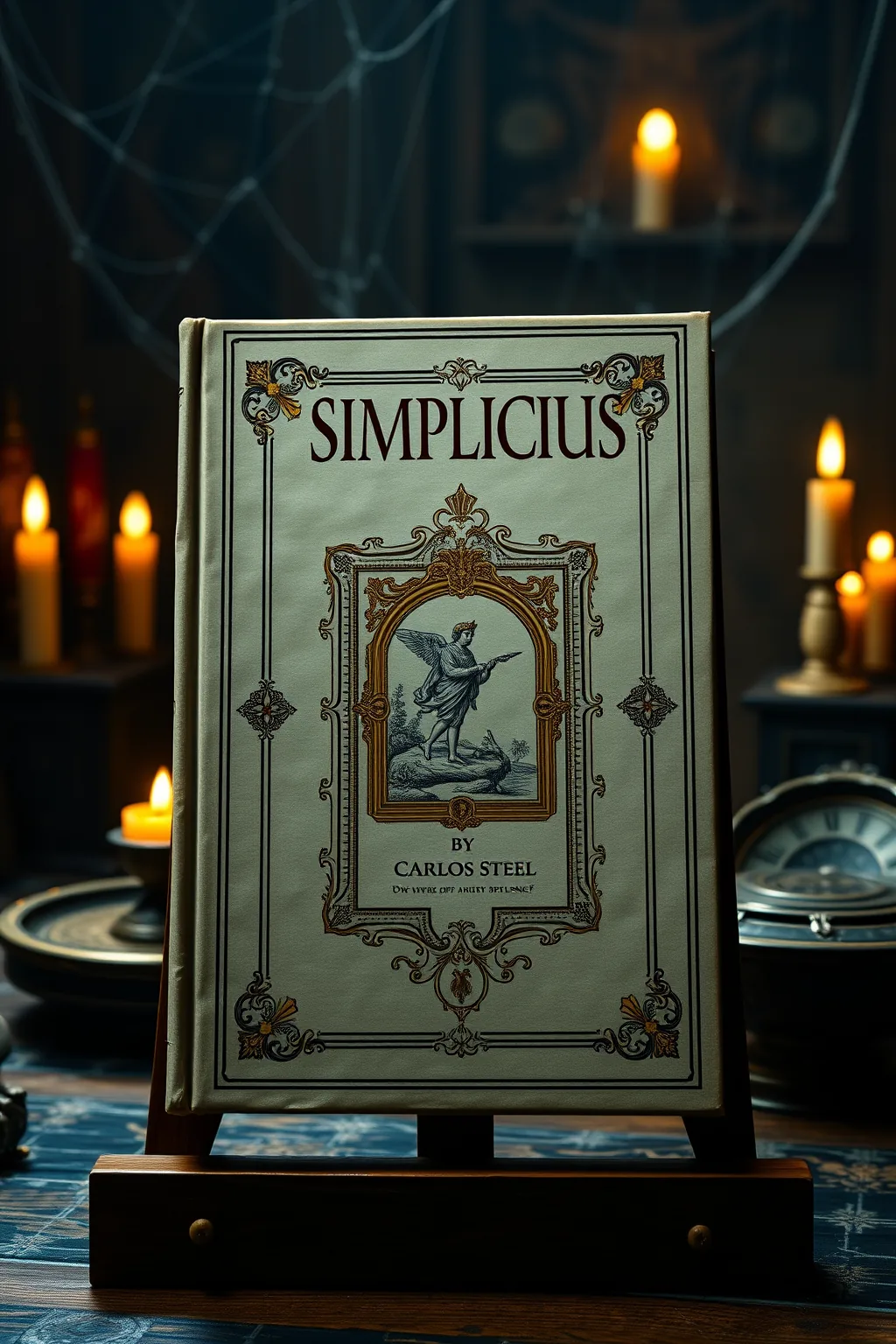
Review by Aurelia Blackwood (Occult Philosophy Critic) — 'Simplicius' by Carlos Steel is a masterful work that seamlessly blends the depths of Aristotelian philosophy with the mystical insights of Neoplatonism. Steel's esoteric insights are both profound and accessible, making this book an invaluable resource for those delving into the hidden knowledge of the ancient world. The strengths of 'Simplicius' lie in its meticulous research and the author's ability to weave complex philosophical ideas into a coherent and engaging narrative. Ideal for scholars of occult philosophy, spiritual seekers, and practitioners of alchemy, this book is a must-read for anyone seeking to understand the esoteric traditions that have shaped our world.
📝 Description
61
Carlos Steel's 'Simplicius' examines Aristotle's philosophy through Neoplatonic and alchemical lenses.
Carlos Steel's 'Simplicius' analyzes the reception and interpretation of Aristotelian thought within later philosophical traditions. The book focuses on how Neoplatonists and alchemists engaged with Aristotle's works, often imbuing them with symbolic and mystical meanings.
Steel traces specific concepts and passages that became subjects of esoteric commentary. This includes the transformation of Aristotelian physics and metaphysics into systems concerned with spiritual ascent and the manipulation of matter. The work is structured around the intellectual currents that shaped early medieval and Renaissance understandings of classical philosophy, highlighting the reinterpretation of logic and cosmology for spiritual ends.
The book aims to clarify the intellectual lineage connecting ancient Greek philosophy to later esoteric practices. It presents the material in a manner that allows for an understanding of these historical reinterpretations, independent of modern academic biases.
This work is situated within the history of Neoplatonism and its influence on subsequent esoteric traditions, particularly alchemy. It examines how philosophical texts, initially secular or metaphysical in intent, were later adapted and reinterpreted to serve mystical and spiritual goals. The book shows how thinkers sought hidden meanings and correspondences within the Aristotelian corpus, aligning it with their own cosmologies and practices aimed at transformation.
💡 Why Read This Book?
Why read 'Simplicius'? This book is essential for seekers of hidden knowledge, scholars of ancient philosophy, and practitioners of the occult. It provides a deep dive into the mystical and alchemical traditions that have influenced Western thought for centuries. Whether you are a beginner looking to explore the esoteric or an experienced practitioner seeking to deepen your understanding, 'Simplicius' offers a wealth of insights and symbolism that will enrich your spiritual journey.
⭐ Reader Reviews
Honest opinions from readers who have explored this book.
❓ Frequently Asked Questions
What is the primary focus of 'Simplicius'?
The primary focus of 'Simplicius' is the exploration of Aristotelian philosophy through the lens of Neoplatonism and alchemy, revealing hidden knowledge and symbolism.
Who is the intended audience for this book?
The intended audience includes scholars of ancient philosophy, spiritual seekers, and practitioners of the occult.
How does 'Simplicius' contribute to modern esoteric thought?
'Simplicius' bridges ancient wisdom with modern esoteric practices, providing a comprehensive guide to the inner workings of the soul and the mysteries of the universe.
What makes 'Simplicius' unique among other books on alchemy and Hermeticism?
'Simplicius' stands out due to its deep integration of Aristotelian philosophy with Neoplatonic and alchemical principles, offering a unique perspective on esoteric traditions.
Are there any practical applications of the knowledge in 'Simplicius'?
Yes, the book provides practical insights and symbolism that can be applied to spiritual practices and the study of the occult.
🔮 Key Themes & Symbolism
Aristotelian Philosophy
Explore the depths of Aristotelian thought as it intersects with Neoplatonic and alchemical principles. This theme studies the mystical and esoteric dimensions of Aristotle's philosophy, revealing hidden knowledge and symbolism that have shaped Western thought.
Neoplatonic Insights
Discover the mystical insights of Neoplatonism and how they complement Aristotelian philosophy. This theme offers a collection of ideas that resonate with both scholars and practitioners of the occult.
Alchemical Symbolism
Uncover the alchemical symbolism that underpins the mystical traditions explored in 'Simplicius.' This theme provides a comprehensive guide to the inner workings of the soul and the mysteries of the universe, making it essential for spiritual seekers and practitioners of the occult.
💡 Key Ideas
Editorial paraphrase of the work's core concepts — not direct quotes.
The soul is a mysterious entity, forever seeking to understand its own nature.
This quote highlights the deep introspection required to uncover the mysteries of the soul.
Aristotle's philosophy is a gateway to the hidden knowledge of the universe.
This line emphasizes the esoteric dimensions of Aristotelian thought.
Neoplatonic insights reveal the mystical dimensions of reality.
This passage underscores the mystical insights of Neoplatonism and their relevance to modern esoteric thought.
Alchemy is the art of transforming the soul through hidden knowledge.
This quote emphasizes the transformative power of alchemical symbolism and its practical applications.
The journey of the soul is a mystical quest for understanding.
This line highlights the spiritual journey that readers embark upon when exploring the esoteric traditions in 'Simplicius'.
🌙 Esoteric Significance
Tradition
This book belongs to the Hermetic tradition, which seeks to uncover the hidden knowledge of the universe through mystical and alchemical practices. It draws upon the esoteric insights of Aristotle and Neoplatonism to provide a comprehensive guide to the inner workings of the soul.
Symbolism
Key symbols in 'Simplicius' include the alchemical process of transformation, the mystical journey of the soul, and the esoteric dimensions of Aristotelian philosophy. These symbols are rich in meaning and provide a deep understanding of the mystical traditions explored in the book.
Modern Relevance
Today, 'Simplicius' remains relevant to modern practitioners of the occult and seekers of hidden knowledge. Its insights into the mystical and alchemical traditions continue to influence contemporary esoteric thought and practice.
👥 Who Should Read This Book
Beginners interested in the esoteric should read 'Simplicius' to gain a foundational understanding of Aristotelian and Neoplatonic thought. Scholars of ancient philosophy will find it useful for its deep exploration of these traditions. Spiritual seekers will appreciate the mystical insights and practical applications of alchemical symbolism. Practitioners of the occult will benefit from the hidden knowledge and symbolism revealed in this book.
📜 Historical Context
Written during a time when ancient philosophies were being rediscovered and reinterpreted, 'Simplicius' by Carlos Steel is a evidence of the enduring influence of Aristotelian and Neoplatonic thought. This book was important when written because it provided a bridge between the mystical traditions of the past and the esoteric practices of the present. Its influence can be seen in the works of modern scholars and practitioners of the occult, who continue to draw upon the hidden knowledge and symbolism revealed in 'Simplicius.'
📔 Journal Prompts
Reflect on the mystical dimensions of Aristotelian philosophy as explored in 'Simplicius.'
How do Neoplatonic insights enhance your understanding of the soul's journey?
What are the key symbols in 'Simplicius' and how do they relate to your spiritual practices?
Consider the historical context of 'Simplicius' and its influence on modern esoteric thought.
How does the alchemical process of transformation apply to your personal spiritual journey?
🗂️ Glossary
Aristotelian Philosophy
The philosophical ideas of Aristotle, particularly as they relate to the nature of the soul and the universe.
Neoplatonism
A mystical and esoteric tradition that builds upon the ideas of Plato, focusing on the inner workings of the soul.
Alchemy
The mystical and symbolic process of transforming the soul through hidden knowledge and esoteric practices.
Hermetic Tradition
The esoteric tradition that seeks to uncover the hidden knowledge of the universe through mystical and alchemical practices.
Esoteric Symbolism
The use of symbols to convey hidden knowledge and mystical insights within the esoteric traditions.
This book appears in 3 collections
🔮 Readers Also Liked
Browse all →








From the “Neoplatonism” Collection
View all →







More Free Alchemy & Hermeticism Books
View all →