Chi Kung for Beginners
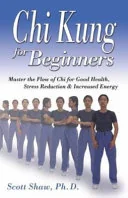
 75
75

Chi Kung for Beginners
Scott Shaw's "Chi Kung for Beginners" attempts to demystify a practice often veiled in esoteric jargon, offering a grounded entry point. The book succeeds in presenting the fundamental mechanics of Chi Kung – the interplay of breath and posture – in a manner that feels achievable for the uninitiated. Shaw’s emphasis on revitalizing the immune system and building reserves of strength is a practical hook that bypasses more abstract philosophical discussions. However, the initial blurb, while promising, hints at a depth that the book may not fully explore for the absolute beginner. A limitation might be the sheer simplicity, potentially leaving those with prior exposure wanting more nuanced instruction. A particularly effective passage, as suggested by the blurb, involves the conscious interaction with universal energy to combat feelings of being rundown. Ultimately, this work serves as a functional primer, effectively laying the groundwork for further exploration into Chi Kung.
📝 Description
75
Scott Shaw's 2005 book demystifies Chi Kung for those new to its principles.
Scott Shaw's "Chi Kung for Beginners" introduces the Chinese practice of mindful movement, breath control, and meditation. The book explains how Chi Kung aims to balance the body's vital life force, known as 'chi,' which is believed to circulate through the body and the universe. Shaw presents accessible exercises designed to improve physical vitality, mental clarity, and emotional well-being, making the practice understandable for newcomers.
The book is suitable for anyone looking to enhance their health and energy levels through gentle, systematic methods. It offers a practical approach for individuals experiencing fatigue or stress, and can aid in self-healing and energy cultivation. Whether you are new to mind-body disciplines or have some experience, the book's progressive structure ensures its techniques are learnable and can be applied to daily life. It also serves as a solid introduction for those interested in complementary health practices.
Chi Kung originates from ancient Chinese culture, with roots in Daoist and Buddhist traditions stretching back millennia. It often intertwined with martial arts and traditional Chinese medicine. Over centuries, various schools refined techniques for energy cultivation. Shaw's book provides context for these practices, highlighting their long-standing role in spiritual development and health.
💡 Why Read This Book?
• Learn the foundational principles of 'chi' cultivation as presented by Scott Shaw, understanding how conscious breath and movement can directly impact physical vitality and mental resilience, a core tenet of Chi Kung practice since its early development. • Discover practical, accessible exercises designed to revitalize your immune system and build reserves of strength, directly addressing the challenges of feeling rundown, as outlined in the book's initial premise. • Gain an introduction to the ancient Chinese practice of Chi Kung, benefiting from Shaw's approach that simplifies complex energy cultivation techniques for immediate application, making it distinct from more theoretical texts.
⭐ Reader Reviews
Honest opinions from readers who have explored this book.
❓ Frequently Asked Questions
What is the primary goal of Chi Kung as explained in Scott Shaw's book?
The primary goal is to harness the universal life force, 'chi,' through breath control and movement to revitalize the immune system, increase physical strength, and improve mental clarity, as detailed in "Chi Kung for Beginners."
Is "Chi Kung for Beginners" suitable for someone with no prior experience in martial arts or meditation?
Yes, the book is specifically designed for beginners, presenting 'exacting yet simple methods' that are progressive and accessible, even if you have no prior experience with related disciplines.
What kind of energy does Chi Kung help to access, according to the book?
Chi Kung aims to help you access 'chi,' described as a vibrant source of energy that fuels the universe and is available to meet physical and mental challenges.
How does Chi Kung help with feeling rundown or spiritless?
Through conscious interaction with universal energy via breath control and movement, Chi Kung helps to revitalize your body and mind, storing up reserves of strength and overcoming feelings of fatigue.
When was Scott Shaw's "Chi Kung for Beginners" first published?
Scott Shaw's "Chi Kung for Beginners" was first published in 2004, offering a contemporary introduction to this ancient practice.
Can Chi Kung improve physical health according to "Chi Kung for Beginners"?
Yes, the book suggests that by harnessing 'chi' through specific exercises, practitioners can revitalize their immune system and build reserves of strength, contributing to overall physical well-being.
🔮 Key Themes & Symbolism
Cultivating Universal Energy
The central theme revolves around the concept of 'chi,' presented as a universal life force accessible to all. The book guides readers to consciously interact with this energy through specific practices. This isn't merely about physical exercise; it's about tapping into a fundamental energetic principle believed to permeate existence. By mastering breath control and precise movements, practitioners can purportedly enhance their capacity to channel this energy, leading to tangible improvements in both physical vitality and mental fortitude, addressing common ailments like fatigue and lack of spirit.
Breath and Movement Synergy
A core tenet explored is the inseparable link between breath and physical movement in Chi Kung. The book emphasizes that these are not independent actions but integrated components designed to work in concert. Proper breathing techniques amplify the effects of physical postures, facilitating the circulation and accumulation of 'chi' within the body. This focus on synchronized action provides a practical framework for beginners to understand how to direct their internal energy flow, moving beyond rote memorization of forms to a more embodied understanding of energetic mechanics.
Holistic Well-being and Resilience
"Chi Kung for Beginners" positions the practice as a means to achieve holistic well-being, extending beyond mere physical fitness. The book highlights Chi Kung's potential to strengthen the immune system and build reserves of stamina, enabling individuals to better confront physical and mental challenges. It offers a method for self-renewal, counteracting the effects of stress and modern life that can leave one feeling rundown and spiritless. This focus on resilience and self-care underscores Chi Kung's value as a practical tool for enhancing quality of life.
Accessibility of Ancient Practices
Scott Shaw's work aims to make the ancient art of Chi Kung accessible to a modern audience, particularly those new to its principles. The book is structured to guide beginners progressively through foundational techniques, clarifying concepts that might otherwise seem complex or obscure. By breaking down the practice into 'exacting yet simple methods,' Shaw ensures that the transformative potential of Chi Kung is not limited to seasoned practitioners but available to anyone willing to engage with its core principles and exercises.
💬 Memorable Quotes
Direct passages from the work, attributed to the author.
“There’s a vibrant source of energy that fuels the universe, and it’s available for you to use.”
— This statement expresses the fundamental premise of Chi Kung: that a potent, universal energy exists and is not inaccessible, but rather a resource for personal empowerment and challenge management.
“Stop feeling rundown and spiritless.”
— This is a direct call to action, addressing a common modern malaise and promising Chi Kung as a remedy for fatigue and low vitality, framing the practice as a solution for immediate well-being.
“Through conscious interaction with this universal energy, you can revitalize your immune system and store up reserves of strength.”
— This highlights the tangible health benefits of Chi Kung, suggesting a physiological impact through energetic work, specifically pointing to immune enhancement and increased stamina as direct outcomes of practice.
“Chi Kung for Beginners takes you progressively through t”
— This fragment suggests a structured pedagogical approach within the book, indicating that the reader will be guided step-by-step through the techniques, ensuring a gradual and manageable learning curve.
💡 Key Ideas
Editorial paraphrase of the work's core concepts — not direct quotes.
That energy is chi, and you can harness its power through the exacting yet simple methods of breath control and movement.
This quote directly links the abstract concept of universal energy to the practical techniques of Chi Kung, highlighting that mastery involves disciplined breathwork and physical postures, making the powerful 'chi' controllable.
🌙 Esoteric Significance
Tradition
Chi Kung belongs to the broad spectrum of internal alchemy and vitalist traditions originating in ancient China, particularly Daoism. It shares conceptual foundations with practices focused on cultivating and circulating 'qi' (chi), the vital life force. While not explicitly Hermetic or Kabbalistic, its focus on internal energy manipulation and transformation for health and longevity aligns with universal esoteric principles found across many traditions. Shaw's work, by presenting it as accessible, bridges this ancient lineage to modern Western esoteric interests in energy work and self-mastery.
Symbolism
While "Chi Kung for Beginners" focuses on practical application, the practice itself is rich with symbolism. The 'Eight Brocades' (Baduanjin), a common set of Qigong exercises, often involves movements mimicking animals or natural phenomena, symbolizing harmony with the cosmos. The concept of the Dantian, energy centers within the body, acts as a symbolic locus for energy storage and cultivation. The flow of 'chi' through meridians can be seen as a symbolic map of vital pathways, akin to energetic circulatory systems in other traditions.
Modern Relevance
Contemporary practices in somatic therapy, mindfulness, and even certain branches of sports psychology draw inspiration from the principles of mind-body integration inherent in Chi Kung. Thinkers and practitioners exploring embodied cognition and the science of well-being often reference the systematic approach to regulating physiological and psychological states that Chi Kung offers. Its emphasis on accessible, low-impact movement for health resilience speaks to modern concerns about chronic stress and sedentary lifestyles.
👥 Who Should Read This Book
• Individuals new to energy cultivation practices seeking a gentle, step-by-step introduction to harnessing 'chi' through breath and movement. • Those experiencing fatigue or stress who are looking for practical, self-administered techniques to revitalize their immune system and build personal resilience. • Students of comparative esoteric traditions interested in understanding the foundational principles of ancient Chinese vitalist practices and their application to well-being.
📜 Historical Context
Published in 2004, Scott Shaw's "Chi Kung for Beginners" entered a landscape where mind-body practices were gaining significant traction in Western wellness culture. The early 2000s saw a surge of interest in disciplines like yoga, Tai Chi, and Qigong, fueled by growing awareness of their potential health benefits and a counter-cultural push towards holistic living. While practices like acupuncture and Traditional Chinese Medicine (TCM) had established a presence, dedicated instructional books for Western beginners in Qigong were still relatively niche compared to yoga. Shaw's work positioned itself within this burgeoning market, offering a simplified entry point to a practice with roots stretching back millennia. Key contemporaries in the broader martial arts and internal arts sphere included figures like Mantak Chia, who published extensively on Taoist sexual practices and internal alchemy, presenting a more complex and sometimes controversial facet of similar energetic traditions. The reception of such works generally favored their therapeutic applications, though some scholars cautioned against oversimplification or commercialization of ancient traditions.
📔 Journal Prompts
The concept of 'chi' as a universal energy source.
Conscious interaction with universal energy for revitalization.
The 'exacting yet simple methods' of breath control and movement.
Personal experience of feeling 'rundown and spiritless' before practice.
Building 'reserves of strength' through Chi Kung exercises.
🗂️ Glossary
Chi (Qi)
The fundamental life force or vital energy believed to permeate all things in the universe. In Chi Kung, the aim is to cultivate, balance, and direct this energy for health and well-being.
Chi Kung (Qigong)
An ancient Chinese practice that combines mindful movement, breath control, and meditation to cultivate and balance the body's vital energy (chi).
Breath Control
The deliberate regulation of breathing patterns, a key component of Chi Kung used to influence the flow of chi, calm the mind, and enhance physical vitality.
Movement
Specific postures and flowing sequences practiced in Chi Kung, designed to facilitate the circulation of chi, release tension, and strengthen the body.
Immune System
The body's biological defense system that protects against disease and infection. Chi Kung is believed to support and revitalize this system.
Reserves of Strength
The concept of building up a surplus of physical and mental energy through consistent practice, enabling one to better cope with daily challenges and avoid fatigue.
Universal Energy
The pervasive, fundamental energy that is believed to constitute and animate the universe, from which personal 'chi' is derived and with which practitioners interact.
This book appears in 1 collection
🔮 Readers Also Liked
Browse all →









From the “Qi Gong” Collection
View all →


More Free Occult Philosophy Books
View all →