Chaos Magic
 71
71

Chaos Magic
Jen Knox's *Chaos Magic* offers a compelling, if somewhat uneven, exploration of personal empowerment through esoteric means. The premise, centering on Lissa's struggle against a menacing past amplified by her ex-husband's release, is immediately gripping. Knox effectively portrays the psychological toll of trauma and the desperate measures one might consider when conventional safety nets fail. The introduction of magic, specifically the titular 'chaos magic,' serves as a potent metaphor for reclaiming agency. However, the narrative’s strength in depicting Lissa’s internal conflict sometimes overshadows the development of the magical system itself. The work hints at dire repercussions, but the execution feels more like a psychological thriller with magical undertones than a deep dive into occult mechanics. The contrasting approach of Lissa's mother, a retired psychologist, provides an interesting foil, highlighting the tension between rational and irrational solutions. The book's conclusion, while aiming for resolution, leaves one wishing for a more thorough engagement with the magical forces Lissa unleashes. Ultimately, *Chaos Magic* is a story about survival and the potent, sometimes dangerous, power found within oneself, even if its occult elements remain more implied than explicit.
📝 Description
71
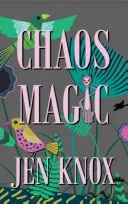
Jen Knox's 2025 novel, Chaos Magic, intertwines personal trauma with occult practice.
Chaos Magic follows Lissa as she attempts to rebuild her life following her ex-husband's release from prison. Facing a renewed threat, she turns to magic, a path she had previously avoided due to its severe potential consequences. The narrative explores Lissa's struggle to protect herself and her loved ones.
The book contrasts Lissa's magical approach with her mother's more pragmatic, psychological methods. It examines the concept of 'chaos magic' as a powerful yet dangerous tool, blurring the lines between intention, action, and outcome. The story also delves into the psychological effects of past violence and the drive for self-preservation.
While a contemporary work, Chaos Magic touches on themes of magic as a force for personal agency, a concept that gained traction during late 19th and 20th-century occult revivals. Movements like Thelema, championed by figures such as Aleister Crowley, emphasized individual will and magical practice. Knox updates these ideas, presenting magic as a practical, sometimes desperate, recourse for a modern protagonist.
💡 Why Read This Book?
• Gain insight into the concept of 'chaos magic' as a tool for personal reclamation, as depicted through Lissa's desperate actions in the face of her ex-husband's release. • Understand the psychological dynamics of trauma and resilience, contrasting Lissa's magical path with her mother's pragmatic approach following the threat of violence. • Explore narrative themes of strength and community, examining how individuals draw upon internal and external resources when facing significant personal danger.
⭐ Reader Reviews
Honest opinions from readers who have explored this book.
❓ Frequently Asked Questions
What is the main conflict in Jen Knox's Chaos Magic?
The primary conflict arises when Lissa's ex-husband is released from prison, threatening the life she has rebuilt. This forces her to confront her past and consider drastic measures, including magic, to ensure her safety and that of her mother.
When was Chaos Magic by Jen Knox first published?
The book Chaos Magic by Jen Knox was first published on February 11, 2025.
What is the significance of Lissa's mother's profession in the story?
Lissa's mother is a retired psychologist, offering a rational, pragmatic counterpoint to Lissa's turn towards magic. Her background highlights the psychological underpinnings of the characters' struggles and the different ways people cope with fear and trauma.
Does Chaos Magic delve into specific magical rituals?
While the book mentions Lissa turning to magic, it focuses more on the psychological and narrative implications of her choices rather than providing detailed instructions or rituals. The 'chaos magic' aspect is presented as a catalyst for action and personal transformation.
What are the overarching themes explored in Chaos Magic?
The book explores themes of strength, power, the consequences of past actions, the nature of magic as a personal force, and the importance of community and support systems when facing adversity.
Is Chaos Magic a work of fiction or non-fiction?
Chaos Magic is a work of fiction. It tells a story about a character named Lissa who uses magic to navigate a dangerous personal situation, exploring themes of survival and empowerment.
🔮 Key Themes & Symbolism
Reclaiming Agency Through Magic
The narrative positions magic, particularly the concept of 'chaos magic,' as a direct response to a feeling of powerlessness. Lissa's turn to the occult is a desperate act to regain control over her life and environment when conventional means seem insufficient. This theme appeals to the historical esoteric drive to find personal power outside established structures, suggesting that even in the face of overwhelming external threats, internal magical will can be a potent force for change.
Trauma and Resilience
Lissa's story is deeply rooted in her past trauma, specifically her relationship with her ex-husband. The book examines how individuals cope with and attempt to overcome such experiences. Her mother's background as a psychologist offers a scientific perspective on healing, contrasting with Lissa's more intuitive, perhaps magical, approach. This duality highlights the complex nature of resilience and the different paths to psychological and emotional recovery.
The Double-Edged Sword of Power
The blurb explicitly warns of 'dire repercussions' associated with Lissa's magical endeavors. This suggests a core theme exploring the inherent risks and responsibilities that accompany the acquisition of power, whether mundane or magical. The narrative seems to question whether the pursuit of power, even for self-preservation, can lead one down a path that is as destructive as the threat they are trying to escape.
Community and Support
Despite the focus on Lissa's personal struggle and magical journey, the mention of 'community' suggests that external support systems play a crucial role. This could involve Lissa's mother, friends, or perhaps even a network of fellow practitioners. The theme underscores the idea that while personal power is significant, human connection and collective strength are vital for navigating profound challenges.
💬 Memorable Quotes
Direct passages from the work, attributed to the author.
“The magic her partner warned her would come with dire repercussions.”
— This phrase highlights the central conflict: Lissa's choice to engage with a powerful, potentially dangerous, form of magic. It immediately establishes the stakes and foreshadows the difficult consequences she may face due to her actions.
“Her mother has a more pragmatic plan in mind.”
— This sets up a key thematic contrast between magical solutions and rational, psychological approaches. It pits Lissa's esoteric path against her mother's grounded, professional expertise, creating narrative tension.
“This is a story about strength and power, magic and community.”
— This serves as an explicit thematic statement, guiding the reader to expect a narrative that examines personal resilience, the influence of occult forces, and the importance of collective support.
“Lissa's ex-husband is released from prison.”
— This factual plot point is the inciting incident, triggering Lissa's crisis and her subsequent turn to magic. It grounds the supernatural elements in a realistic threat of violence and personal danger.
“A retired psychologist.”
— This detail about Lissa's mother provides a crucial counterpoint to the magical elements, representing a rational, therapeutic perspective on dealing with trauma and threat.
🌙 Esoteric Significance
Tradition
While the term 'chaos magic' itself is a modern construct, emerging primarily in the latter half of the 20th century, this work can be seen as engaging with the broader tradition of Western Esotericism's focus on individual will and the manipulation of reality through belief and intent. It departs from more structured traditions like Hermeticism or Kabbalah by emphasizing fluidity and the rejection of fixed dogma, aligning with the post-Crowleyan, post-Sparean milieu that prioritized personal gnosis and experimental practice.
Symbolism
The narrative likely employs symbols of disruption and reconstruction, mirroring the concept of chaos as a fertile void from which new forms emerge. Lissa herself could be seen as a symbol of the modern magician, navigating personal trauma (the 'shadow') and seeking to impose order or achieve liberation through unconventional means. The juxtaposition of magic with psychology might symbolize the ongoing dialogue between the rational and the instinctual, the conscious and the subconscious, within the human psyche.
Modern Relevance
The principles explored in *Chaos Magic* resonate with contemporary practitioners and thinkers who focus on psychological approaches to magic, digital occultism, and the use of memes and pop culture as magical vectors. Authors and figures within modern occult circles often cite the flexible, results-oriented nature of chaos magic as particularly relevant for a secularized, rapidly changing world. This work's fictionalized account can serve as an accessible entry point for understanding these modern applications of esoteric thought.
👥 Who Should Read This Book
• Readers interested in contemporary fiction that incorporates esoteric elements, particularly those intrigued by the concept of 'chaos magic' as a narrative device for personal empowerment. • Individuals exploring themes of resilience, overcoming trauma, and the psychological impact of past violence, who appreciate fictional narratives that blend real-world struggles with supernatural or occult undertones. • Students of modern occultism and comparative religion seeking fictional representations of esoteric concepts, offering a glimpse into how themes of personal power and unconventional belief systems are portrayed in popular culture.
📜 Historical Context
Jen Knox's *Chaos Magic* emerges from a literary landscape increasingly open to exploring esoteric themes in fiction, a trend that gained momentum throughout the late 20th and early 21st centuries. While the book itself is a contemporary work (2025), its narrative echoes earlier explorations of occultism and personal power. Thinkers like Austin Osman Spare, a key figure in the development of modern occultism in the early 20th century, explored concepts of magical will and sigil creation that inform contemporary understandings of chaos magic. Spare's work, alongside figures like Kenneth Grant, who further developed occult theories in the latter half of the century, laid groundwork for a more personalized, experimental approach to magic. Unlike the more formalized ceremonial magic traditions or the structured systems of Thelema, chaos magic, as popularly understood, emphasizes belief as a tool and adaptability. Knox's narrative taps into this contemporary interest, reflecting a cultural fascination with individual empowerment and unconventional spiritual paths, distinct from the more rigid doctrines of earlier esoteric movements.
📔 Journal Prompts
Lissa's choice to employ magic when facing her ex-husband's release.
The contrast between Lissa's magical approach and her mother's psychological plan.
Reflecting on the concept of 'dire repercussions' in relation to personal power.
Identifying elements of 'strength and power' in Lissa's journey.
Exploring the role of 'community' in overcoming personal threats.
🗂️ Glossary
Chaos Magic
A contemporary magical tradition characterized by its eclectic nature, focus on belief as a tool, and rejection of rigid dogma. Practitioners often draw from diverse sources and prioritize practical results over adherence to specific systems.
Esoteric
Relating to or accessible only by a select group of initiated people. In a broader sense, it refers to spiritual or mystical traditions that are often hidden or require specialized knowledge to understand.
Occult
Literally meaning 'hidden,' this term refers to supernatural, mystical, or magical beliefs, practices, and phenomena that are outside the range of normal experience or scientific explanation.
Reclamation
The act of taking back or regaining possession of something that was lost, taken away, or surrendered. In a psychological or spiritual context, it often refers to reclaiming one's power, identity, or sense of self.
Resilience
The capacity to recover quickly from difficulties; toughness. In psychology, it refers to the process of adapting well in the face of adversity, trauma, tragedy, threats, or significant sources of stress.
Sigil
A symbol created for the purpose of magical workings. In chaos magic, sigils are often created by charging them with desire or intent and then 'forgetting' them to allow the subconscious mind to work towards their manifestation.
Trauma
A deeply distressing or disturbing experience. Psychologically, it can lead to lasting mental and emotional effects that can impact an individual's behavior and well-being.