Grimoire Verum Ritual Book

 73
73

Grimoire Verum Ritual Book
Kuriakos's Grimoire Verum Ritual Book offers a no-nonsense, step-by-step guide to ceremonial magic that sidesteps much of the historical romanticism often found in similar works. Its strength lies in its clarity; the instructions for preparing the ritual space, consecrating tools, and performing invocations are laid out with an almost procedural exactitude. For instance, the detailed descriptions for constructing and charging a magical triangle are particularly well-defined, leaving little room for ambiguity. However, the book's primary limitation is its relative lack of historical depth or comparative analysis. While it presents a functional system, it offers minimal engagement with the diverse lineage of magical texts or philosophical underpinnings that have shaped these practices over centuries. It functions more as a practical manual than a scholarly exploration. Ultimately, this Grimoire Verum is a functional tool for the dedicated ritualist seeking direct application.
📝 Description
73
Published in 2008, Kuriakos' Grimoire Verum Ritual Book structures ceremonial magic practices.
This 2008 text by Kuriakos is a modern compilation of ceremonial magic rituals, not a historical grimoire. It focuses on practical application, detailing specific incantations, correspondences, and procedures for practitioners. The book provides a clear, actionable framework for engaging with ceremonial magic, emphasizing direct instruction and execution.
It appeals to serious practitioners who prefer a methodical approach and have moved beyond introductory texts. Those interested in the practical mechanics of magic, such as altar setup, divine invocations, and tool usage, will find value. The work is less suited for casual readers or those seeking theoretical discussions, due to its prescriptive nature.
The Grimoire Verum centers on the systematic execution of magical rites. Key concepts include the precise invocation of specific intelligences or spirits and the correct use of ritual tools.
Emerging in 2008, this version of the Grimoire Verum belongs to a period of renewed interest in Western esotericism. The early 21st century saw many published grimoires and manuals aiming to make complex traditions accessible. Kuriakos' work fits this trend of disseminating esoteric knowledge, often through independent publishing, differing from older, manuscript-based grimoires.
💡 Why Read This Book?
• Gain a clear, actionable framework for performing ceremonial magic rituals, directly applicable to practice, as detailed in its step-by-step instructions for invocations and consecrations. • Understand the importance of specific ritual timing and correspondences, as the text provides guidance on aligning magical operations with planetary hours and lunar phases. • Acquire practical knowledge on tool consecration and altar setup, offering concrete methods for preparing the magical environment as outlined within its specific procedural sections.
⭐ Reader Reviews
Honest opinions from readers who have explored this book.
❓ Frequently Asked Questions
What is the Grimoire Verum Ritual Book and when was it first published?
The Grimoire Verum Ritual Book is a modern compilation of ceremonial magic rituals, first published in 2008 by Kuriakos. It provides practical, step-by-step instructions for magical operations.
Is this book a historical grimoire from the medieval period?
No, while it draws upon older magical traditions, this specific edition by Kuriakos was published in 2008 and functions as a modern manual for ritual practice rather than a direct historical artifact.
What kind of magical practices does the Grimoire Verum Ritual Book cover?
It focuses on ceremonial magic, detailing procedures for invocations, consecrating tools, setting up altars, and utilizing specific timing like planetary hours for effective ritual execution.
Who is the intended audience for this book?
The book is aimed at serious practitioners of ceremonial magic who seek detailed, actionable instructions and a structured approach to ritual work, moving beyond introductory concepts.
Does the book include historical analysis of magical traditions?
While it uses traditional elements, the Grimoire Verum Ritual Book by Kuriakos prioritizes practical instruction over extensive historical analysis or comparative study of magical lineages.
What are some key concepts presented in the Grimoire Verum Ritual Book?
Key concepts include the systematic execution of rites, precise invocation of spiritual entities, proper use of consecrated tools, and the importance of planetary timings within its ritual framework.
🔮 Key Themes & Symbolism
Structured Ritual Execution
The Grimoire Verum Ritual Book emphasizes a methodical approach to magic, treating ritual as a structured process with distinct phases. It details the preparation of the sacred space, the consecration of tools, and the precise sequence of invocations and operations. This focus on procedural accuracy aims to create a reliable framework for practitioners, ensuring that each element of the ritual is performed with intention and correctness to achieve desired outcomes. The text provides specific instructions, moving beyond vague suggestions to offer concrete steps for engaging with magical forces.
Divine and Spiritual Invocation
A central theme is the invocation of various spiritual intelligences, angels, and divine names. The book provides specific formulas and methods for calling upon these entities, often within a defined magical circle or triangle. The aim is to establish communication and cooperation with these forces for magical purposes. This involves understanding the hierarchy and attributes of the invoked beings, as presented within the text's framework, to ensure the ritual is directed towards appropriate higher powers.
Tool Consecration and Magical Apparatus
The proper preparation and consecration of magical tools are presented as critical components of effective ritual. The Grimoire Verum Ritual Book likely details the purification and charging of instruments such as wands, swords, pentacles, and robes. These tools are not merely symbolic but are imbued with specific energies through ritual action, becoming conduits for magical force. The text underscores that the effectiveness of the ritual is significantly dependent on the state and consecration of the practitioner's implements.
The Importance of Timing
Aligning magical operations with specific temporal factors is a recurring motif. The book likely incorporates astrological considerations, such as planetary hours and lunar phases, to optimize the success of particular rites. This principle recognizes that certain times are more auspicious for specific types of work, whether it be for invoking planetary intelligences, undertaking works of protection, or pursuing spiritual illumination. Adherence to these timings is presented as a key variable in the efficacy of the magical operation.
💬 Memorable Quotes
Direct passages from the work, attributed to the author.
“The precise form of the triangle and the words of power are essential.”
— This highlights the book's emphasis on exactitude. It suggests that the specific geometric layout of the magical triangle and the spoken incantations are not optional but are fundamental requirements for the ritual's success and the manifestation of its intended effects.
“Consecrate thy tools seven times ere thou beginnest.”
— This emphasizes the rigorous preparation demanded by the text. It indicates that the magical implements must undergo a thorough and repeated purification and charging process before the ritual commences, signifying their importance as conduits for magical energy.
“Invoke the Angelic hierarchy in the appointed hour.”
— This points to the structured nature of the invocations within the Grimoire Verum. It implies a specific order and timing for calling upon angelic beings, suggesting a system that respects hierarchy and opportune moments for spiritual work.
“The circle is thy defense; the triangle, thy manifestation.”
— This succinctly explains the dual function of key ritual elements. The protective boundary of the circle and the focused space of the triangle are presented as distinct but equally vital components for both safety and the successful appearance or operation of summoned forces.
“Patience and exactitude yield the desired result.”
— This expresses the core philosophy of the ritual system presented. It suggests that magical success is achieved not through innate talent alone, but through diligent adherence to the prescribed methods and a persistent, unwavering focus on the process.
🌙 Esoteric Significance
Tradition
This work aligns with the Western Ceremonial Magic tradition, drawing heavily on elements found in earlier grimoires and magical texts that were popular from the late medieval period through the Renaissance and beyond. It seeks to systematize practices related to invocation and evocation, often incorporating Kabbalistic notions of divine names and angelic hierarchies, though presented through a distinctly practical, operational lens rather than a deep theological or philosophical exploration.
Symbolism
Key symbols often include the magical triangle, representing the space for manifestation and the locus of operation, and the circle, serving as a protective boundary for the magician. Divine names, such as those derived from Hebrew or Latin, are crucial symbolic and phonetic keys intended to command spirits and invoke divine presence. The use of specific colors, astrological timings, and elemental correspondences also forms a significant symbolic language within the ritual structure.
Modern Relevance
Contemporary practitioners of Western Esotericism, particularly those focused on practical ritual magic, continue to draw upon modernized grimoires like this one. It serves as a foundational text for individuals seeking structured approaches to invocation and evocation, often found discussed in online forums and modern magical orders. Thinkers and practitioners exploring the intersection of psychology and magic, or those seeking to reconstruct historical ritual forms with contemporary clarity, find value in its systematic presentation.
👥 Who Should Read This Book
• Aspiring ceremonial magicians seeking a clear, procedural guide to ritual work, who will benefit from its step-by-step instructions for invocations and tool consecration. • Experienced occultists looking to refine their ritual practice with a focus on exactitude, finding value in its detailed approach to timing and the use of specific divine names. • Students of Western Esotericism interested in the practical application of historical magical concepts, who can use this book to understand the operational aspects of grimoire traditions.
📜 Historical Context
The Grimoire Verum Ritual Book, as published by Kuriakos in 2008, emerged during a period of significant public engagement with esoteric traditions, largely facilitated by the internet. This era saw a demand for practical magical manuals that distilled complex historical practices into accessible formats. Unlike the clandestine circulation of grimoires in earlier centuries, such as the influence of the *Grimorium Verum* (attributed to Alibeck the Egyptian, circulating from the 18th century onwards), Kuriakos's work is a product of the digital age. It exists alongside a vast online community exploring Western esotericism, contrasting with the more isolated intellectual circles of figures like Eliphas Lévi or Papus in the 19th century, who were also codifying magical systems but within a different media landscape. The 2008 publication aligns with a broader trend of 'occult revival' that began in the late 20th century, making ritualistic magic available to a global audience, often bypassing traditional gatekeepers of esoteric knowledge.
📔 Journal Prompts
Reflect on the precise function of the magical triangle as described in the text.
Consider the significance of planetary hours for the rituals detailed.
Analyze the practitioner's role in consecrating tools according to the book's instructions.
How does the concept of divine names function within the outlined invocations?
Evaluate the importance of the protective circle in the context of the ritual structure.
🗂️ Glossary
Invocation
The act of calling upon a deity, spirit, or other supernatural power, often for assistance, guidance, or to manifest within a ritual space. In this context, it implies a direct address and request for presence or action.
Consecration
The act of dedicating or setting apart an object, person, or place for a sacred purpose. In magical practice, it involves ritual purification and charging of tools to imbue them with spiritual energy and intent.
Grimoire
A textbook of magic, typically containing instructions on how to create magical objects, perform rituals, cast spells, and summon supernatural entities. This term often refers to European books of magic from the late medieval period onwards.
Planetary Hours
A system of dividing the day and night into twelve equal periods, assigning each period to one of the seven classical planets (and sometimes other celestial bodies) based on a specific order. It's used in astrology and magic to determine auspicious times for certain operations.
Magical Triangle
A specific geometric figure, often drawn or visualized during a ritual, where summoned entities are typically directed to appear. It serves as a focal point for manifestation and interaction with the invoked forces.
Divine Names
Specific names or titles attributed to God or divine beings, often considered to hold inherent power. In magical traditions, these names are frequently used in invocations and commands to spiritual entities.
Evocation
The act of calling forth spirits or entities from the surrounding environment into a specific place, such as a triangle, for interaction. It is distinct from invocation, which typically involves inviting a force into the magician's own being or immediate vicinity.
🔮 Readers Also Liked
Browse all →






More by Kuriakos
All books →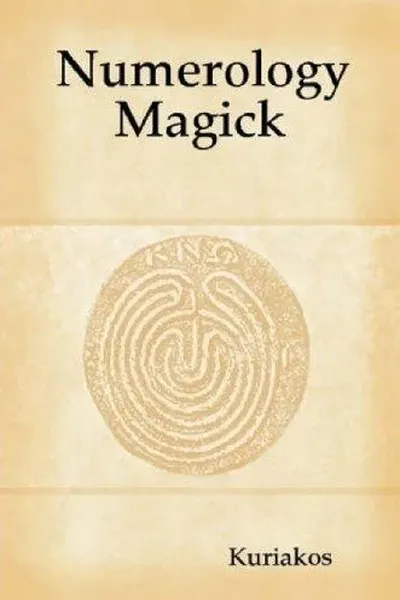





More Free Magic & Ritual Books
View all →