Chakra Therapy
 80
80

Chakra Therapy
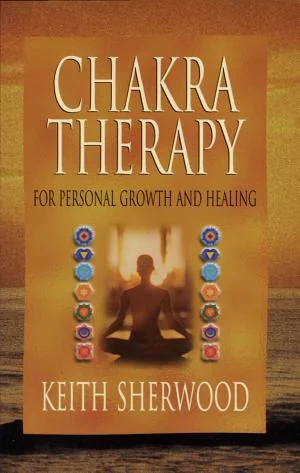
Keith Sherwood’s "Chakra Therapy" offers a refreshingly direct approach to the body’s energetic centers, moving beyond purely symbolic interpretations to address their functional role. The strength of the 1988 text lies in its systematic, almost mechanical, breakdown of chakra blockages and their corresponding remedies. Sherwood’s explanation of how an "energy doesn’t flow" when chakras are blocked provides a clear, albeit simplified, framework for understanding psychosomatic connections. However, the book’s emphasis on "quick and easy" solutions can sometimes feel reductive, potentially understating the complexity of deep-seated energetic or psychological issues. The detailed descriptions of each chakra’s function and associated physical/emotional symptoms are particularly valuable, offering a tangible entry point for beginners. Ultimately, "Chakra Therapy" serves as a pragmatic, introductory guide to energetic self-healing.
📝 Description
80
Keith Sherwood's 1988 book Chakra Therapy views the seven primary chakras as functional energy centers, not just abstract symbols.
Chakra Therapy, published in 1988, examines the seven primary chakras as crucial energy distribution points within the human body. The book argues that blockages in these energy centers can lead to physical, mental, emotional, or spiritual health issues. Sherwood presents straightforward methods for identifying and clearing these obstructions to help restore balanced energy flow. This work is suitable for individuals experiencing ongoing physical discomfort, emotional instability, or a sense of spiritual stagnation, especially if they suspect an energetic cause. It is also for those seeking simple, self-directed healing and personal growth techniques, including newcomers to chakra concepts or people who find other explanations too complicated. Readers interested in how subtle energy anatomy affects overall well-being will find this book valuable.
Published in the late 1980s, Chakra Therapy entered a Western spiritual landscape increasingly receptive to New Age ideas and alternative healing. This period saw growing interest in Eastern practices like yoga and meditation, often adapted for Western audiences. Sherwood's book contributed by offering a clear, structured system for understanding chakra theory, distinguishing itself from more academic or traditional esoteric texts. It arrived as concepts like energy healing and auric fields gained popular attention, alongside works by authors such as Barbara Brennan.
💡 Why Read This Book?
• Learn specific techniques for clearing chakra blockages that Sherwood outlines, directly addressing the energetic disruptions he details for each of the seven chakras. • Understand the functional role of chakras as distribution centers for body energy, a core concept presented early in the book's 1988 publication. • Gain practical methods for identifying the root cause of mental, physical, or emotional problems by correlating symptoms with specific chakra imbalances as described by Sherwood.
⭐ Reader Reviews
Honest opinions from readers who have explored this book.
❓ Frequently Asked Questions
When was Keith Sherwood's "Chakra Therapy" first published?
Keith Sherwood's "Chakra Therapy" was first published in 1988, placing it within the popularization wave of New Age and esoteric literature during that decade.
What are the main chakras discussed in "Chakra Therapy"?
The book primarily focuses on the seven main chakras, typically understood as the root, sacral, solar plexus, heart, throat, third eye, and crown chakras.
Does "Chakra Therapy" offer exercises for self-healing?
Yes, "Chakra Therapy" provides powerful yet simple techniques, including visualizations and affirmations, designed for readers to clear blockages and overcome associated problems.
What kind of problems can "Chakra Therapy" help with?
According to the book, if chakras are blocked, energy flow is impeded, potentially causing mental, physical, emotional, or spiritual problems that the techniques aim to resolve.
Is "Chakra Therapy" suitable for beginners?
The book is designed to be accessible, explaining how each chakra functions and offering straightforward methods, making it suitable for those new to chakra concepts.
What is the core idea behind chakra blockages in Sherwood's book?
Sherwood explains that chakras act as energy distribution centers, and when they become blocked, the vital energy cannot flow properly, leading to various forms of imbalance.
🔮 Key Themes & Symbolism
Chakras as Energy Hubs
The central concept is that the seven primary chakras are not just symbolic points but functional energy distribution centers. Sherwood posits that the smooth flow of vital energy, or prana, through these hubs is essential for overall health. Blockages, often stemming from stress or trauma, disrupt this flow, leading to the physical, emotional, and mental ailments detailed throughout the book. The work emphasizes their role in maintaining energetic equilibrium.
Identifying and Clearing Blockages
A significant focus is placed on the practical identification of energetic obstructions within the chakras. Sherwood provides readers with methods to recognize symptoms associated with each chakra's imbalance. Crucially, the book offers specific, actionable techniques—visualizations, affirmations, and exercises—designed to facilitate the release of these blockages, thereby restoring the natural energetic pathways and promoting healing.
Holistic Well-being Connection
Sherwood connects the state of the chakras directly to an individual's holistic well-being. The book argues that imbalances in these energy centers manifest across all levels of being: mental clarity, emotional stability, and physical vitality. By addressing the chakras, readers are encouraged to tackle the root energetic causes of their problems, fostering a more integrated and balanced state of health.
Accessible Energetic Anatomy
Distinguished by its clarity and straightforward approach, the book serves as an accessible introduction to the subtle energy system of the body. It explains complex esoteric concepts, presenting them in a manner understandable to a general audience. This focus on ease of comprehension and practical application makes the principles of energetic anatomy actionable for personal development.
💬 Memorable Quotes
Direct passages from the work, attributed to the author.
“The chakras are distribution centers for the energy that flows through your body.”
— This foundational statement reframes chakras from abstract symbols to vital functional components of our energetic physiology, highlighting their active role in energy management.
“If they're blocked, the energy doesn't flow and mental, physical, emotional, or spiritual problems can result.”
— This highlights the direct causal link Sherwood proposes between energetic stagnation in the chakras and the manifestation of various forms of distress or illness.
“You will learn how each chakra functions.”
— This points to the educational core of the book, promising a detailed exploration of the specific roles and characteristics of each major energy center.
“The book explains how to overcome problems by addressing their energetic roots.”
— This interpretation underscores the book's therapeutic approach, focusing on root-cause resolution through energetic manipulation rather than just symptom management.
💡 Key Ideas
Editorial paraphrase of the work's core concepts — not direct quotes.
You can clear the blockages and overcome the problems quickly and easily with the powerful yet simple techniques in this book.
This quote emphasizes the book's promise of accessible and effective self-healing, suggesting that readers can achieve significant results with the methods provided.
🌙 Esoteric Significance
Tradition
While drawing heavily from Hindu Tantric traditions that conceptualized chakras, Sherwood's work adapts them into a Western esoteric framework focused on practical psychological and physical well-being. It departs from purely spiritual or meditative paths by emphasizing direct intervention and problem-solving, aligning more with the practical application ethos seen in Western occultism and New Thought movements rather than strictly adhering to ancient Indian philosophical lineages.
Symbolism
The primary symbols are the seven chakras themselves, each associated with specific colors (red for root, orange for sacral, yellow for solar plexus, green for heart, blue for throat, indigo for third eye, violet for crown), locations on the body, and corresponding psychological and physical functions. These color and location correspondences are deeply embedded in esoteric traditions, acting as visual and energetic anchors for understanding and balancing the subtle body.
Modern Relevance
Sherwood's foundational approach to chakras as functional energy centers continues to influence modern wellness practices. Contemporary energy healing modalities, mindfulness applications, and even certain therapeutic approaches that incorporate mind-body connection often echo the principles outlined in "Chakra Therapy," making its accessible framework relevant for current practitioners and seekers.
👥 Who Should Read This Book
• Individuals seeking practical, self-guided methods for addressing physical discomfort or emotional imbalances they suspect are energetically rooted. • Newcomers to esoteric concepts interested in understanding the basic functions and potential disruptions of the body's energy system through a clear, step-by-step guide. • Practitioners of meditation or yoga looking to deepen their understanding of how subtle energy flows and how to actively work with it for personal development.
📜 Historical Context
Emerging in 1988, Keith Sherwood's "Chakra Therapy" arrived amidst a surge of interest in holistic health and Eastern spiritual practices within Western cultures. The era saw a mainstreaming of concepts previously confined to esoteric circles, with many authors translating ancient wisdom into accessible formats. Sherwood's work contributed to this trend, offering a structured system for understanding and working with the body's energy centers. This period also saw the rise of figures like Louise Hay, whose affirmations focused on mind-body connection, and the continued influence of Theosophical-derived ideas on Western esotericism. While not overtly controversial, the book's pragmatic approach to healing through subtle energy systems fit within the broader New Age movement, which often presented alternatives to conventional medical and psychological paradigms, sometimes facing skepticism from the scientific establishment.
📔 Journal Prompts
The root chakra's grounding function and potential blockages.
Emotional manifestations linked to solar plexus imbalances.
Visualizing energy flow through the throat chakra.
The relationship between heart chakra openness and personal relationships.
How the third eye chakra influences perception and intuition.
🗂️ Glossary
Chakra
From Sanskrit, meaning 'wheel' or 'vortex.' In this context, it refers to the primary energy centers located along the spine, believed to distribute life force energy throughout the body.
Energy Distribution Centers
A key concept in the book, describing chakras as functional hubs that regulate the flow and distribution of vital energy (prana or chi) within the physical and subtle bodies.
Blockages
Obstructions or impediments within the chakras that prevent the smooth flow of energy. These are often attributed to stress, trauma, negative emotions, or unhealthy lifestyle choices.
Energy Flow
The movement of vital life force energy through the body's energetic system, particularly through the chakras and nadis. Optimal flow is considered essential for health and well-being.
Mental, Physical, Emotional, Spiritual Problems
The book posits that these distinct categories of human challenges can arise from or be exacerbated by blockages in the chakra system, indicating a holistic connection.
Techniques
The practical methods—such as visualization, affirmations, and specific exercises—offered in the book to help readers identify and clear chakra blockages.
Aura
The energetic field surrounding the physical body, often associated with the chakras. The book suggests chakras are more than just colored areas within the aura; they are active centers.
This book appears in 1 collection
🔮 Readers Also Liked
Browse all →









From the “Chakras” Collection
View all →





![Hindi Bangla Speaking Course[ S. P. Chakraborty]](/img/thumb/hindi-bangla-speaking-course-s-p-chakraborty.webp)
More Free Occult Philosophy Books
View all →