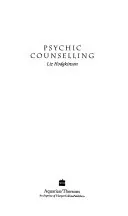
Beyond the Nightmare

 75
75

Beyond the Nightmare
Sheila Pryce Brooks’s Beyond the Nightmare tackles the unnerving subject of sleep paralysis with a blend of personal testimony and research. The author’s firsthand encounters lend an immediate authenticity to the descriptions of the dreaded paralysis and the accompanying spectral visitations. Brooks offers a balanced perspective, acknowledging both the neurological underpinnings and the subjective, often profound, experiences reported by sufferers. A particular strength lies in the practical advice offered for regaining control during an episode, moving beyond mere description to actionable guidance. However, the work occasionally treads lightly on the more controversial interpretations, perhaps to maintain broader appeal, which may leave those seeking purely metaphysical explanations wanting more definitive discourse. Despite this, it remains a valuable resource for understanding a widely experienced but poorly understood condition. It serves as a clear introduction to a phenomenon that bridges the gap between physiology and subjective reality.
📝 Description
75
Sheila Pryce Brooks wrote Beyond the Nightmare after extensive personal experience with sleep paralysis.
Sheila Pryce Brooks's book examines sleep paralysis, a condition marked by terrifying hallucinations and the inability to move. Drawing from her own experiences and research, Brooks aims to clarify this common but disturbing phenomenon. The book offers readers tools for understanding and managing these episodes.
This work is for those who have experienced sleep paralysis and seek logical explanations and methods for coping. It also appeals to scholars of consciousness, sleep disorders, and parapsychology, and anyone curious about the overlap of psychological and spiritual experiences in altered states.
Brooks discusses the physiological and psychological sides of sleep paralysis, distinguishing it from other sleep issues. She looks at the "presence" often felt during episodes, considering neurological and more spiritual interpretations. The book gives advice on preparing for sleep and recovering after an episode, with an emphasis on personal empowerment.
Historically, sleep paralysis was often understood through supernatural lenses, such as incubus or succubus visitations. Early interpretations linked these experiences to demonic interference, reflecting cultural and religious beliefs of the time. Documented across centuries, from medieval texts to early psychological studies, the phenomenon has consistently drawn human attention and fear. Brooks's work engages with these historical interpretations by examining both scientific and esoteric explanations for the perceived 'presence' during episodes, connecting modern understanding with older traditions of interpreting altered states of consciousness.
💡 Why Read This Book?
• Gain actionable strategies for managing sleep paralysis, directly inspired by Sheila Pryce Brooks's research and personal experience, empowering you to regain control during frightening episodes. • Understand the historical interpretations of sleep paralysis, from medieval demonology to early psychological theories, providing a richer context than simple medical explanations. • Explore the concept of the 'nightmare entity,' examining its psychological and potential symbolic significance as presented in the book's unique approach to the phenomenon.
⭐ Reader Reviews
Honest opinions from readers who have explored this book.
❓ Frequently Asked Questions
What is the earliest documented mention of sleep paralysis?
While the experience is ancient, documented accounts resembling sleep paralysis appear in medieval texts, often interpreted as demonic visitations by incubi and succubi, predating scientific study.
How does Sheila Pryce Brooks differentiate sleep paralysis from nightmares?
Brooks clarifies that sleep paralysis involves a conscious awareness of the inability to move while the body is still asleep, often accompanied by a sense of presence, distinct from the narrative dream content of a typical nightmare.
What are some common interpretations of the 'evil presence' felt during sleep paralysis?
Interpretations range from neurological phenomena like hypnagogic or hypnopompic hallucinations to psychological factors and, in some traditions, spiritual or energetic interference.
Can sleep paralysis be permanently overcome?
While episodes may not be entirely preventable, the book provides techniques focused on managing the fear and regaining a sense of control, significantly reducing their distress and impact.
What is the significance of the term 'incubus' in relation to sleep paralysis?
Historically, 'incubus' (male demon) and 'succubus' (female demon) were used to describe entities believed to lie upon sleepers, causing suffocation and terror, which aligns with modern descriptions of sleep paralysis.
Does the book offer scientific explanations for sleep paralysis?
Yes, Brooks integrates current scientific understanding of REM sleep atonia and associated hallucinations with personal and historical accounts, offering a multi-faceted view.
🔮 Key Themes & Symbolism
The Nightmare Entity
Brooks addresses the persistent phenomenon of a perceived hostile presence during sleep paralysis. This 'entity' is often described as malevolent, sometimes humanoid, and is a central feature causing intense fear. The work explores this not just as a hallucination but as a recurring archetype that has manifested across cultures and historical periods, often interpreted through the lens of demonology or spiritual attack, suggesting a deeper psychological or even archetypal dimension to the experience.
REM Sleep Atonia
The book grounds its explanations in the physiological state of REM sleep, specifically atonia, the temporary paralysis that prevents sleepers from acting out their dreams. When consciousness intrudes before the atonia fully resolves, the experience of sleep paralysis occurs. This scientific framework is presented as the baseline, upon which subjective experiences of hallucinations and perceived presences are layered, bridging the gap between biology and the uncanny.
Historical Demonology
Beyond the Nightmare contextualizes modern sleep paralysis experiences within historical accounts of supernatural visitations, particularly the medieval concepts of incubi and succubi. These entities were believed to torment sleepers, causing dread and physical distress, mirroring contemporary descriptions of paralysis and hallucinations. By examining these historical parallels, Brooks offers a perspective that acknowledges the enduring nature of these terrifying encounters across different belief systems.
Empowerment and Control
A significant theme is the shift from victimhood to empowerment. The book provides practical techniques and mental strategies designed to help individuals regain a sense of agency during an episode. This includes mental exercises, pre-sleep routines, and understanding the psychological triggers, aiming to clarify the experience and reduce its terrifying hold on the individual's psyche.
💬 Memorable Quotes
Direct passages from the work, attributed to the author.
“The paralysis isn't just physical; it's an assault on the mind, where the unseen becomes terrifyingly real.”
— This highlights the dual nature of sleep paralysis, emphasizing that the terror stems not only from the inability to move but also from the vivid, often frightening, hallucinations and the perceived malevolent presence.
“History whispers of incubi and succubi, shadows that prey on the vulnerable in their sleep, a narrative echoed in modern paralysis.”
— This interpretation connects ancient folklore and demonology directly to contemporary sleep paralysis experiences, suggesting a continuity of certain archetypal fears and phenomena throughout human history.
“Understanding the mechanics of REM sleep is the first step to dismantling the fear surrounding the 'nightmare entity'.”
— This emphasizes a cognitive approach to managing sleep paralysis, suggesting that by learning the scientific basis of the phenomenon, individuals can reduce the perceived threat and power of the hallucinations.
“The paralysis can be a gateway, not to evil, but to a deeper understanding of consciousness's strange frontiers.”
— This offers a re-framing of the sleep paralysis experience, suggesting that it can be a point of profound self-discovery and exploration into altered states of awareness, rather than solely a negative event.
“Regaining control lies in the mind's ability to assert itself even when the body is temporarily bound.”
— This expresses the book's core message of empowerment, focusing on mental resilience and techniques that allow conscious awareness to assert dominance over the disorienting physical and perceptual effects of sleep paralysis.
🌙 Esoteric Significance
Tradition
While not explicitly tied to a single esoteric lineage, Beyond the Nightmare engages with themes common in occult and Gnostic traditions concerning encounters with non-corporeal entities and altered states of consciousness. The exploration of perceived 'presences' and the subjective reality of these experiences aligns with Gnostic ideas of navigating encounters with lower spiritual forces or illusions. It offers a modern perspective on phenomena historically interpreted through a spiritual or religious framework, bridging empirical observation with the exploration of subjective, potentially liminal, realities.
Symbolism
The 'nightmare entity' serves as a potent symbol, representing repressed fears, anxieties, or even aspects of the shadow self that surface during the vulnerable state of sleep paralysis. The feeling of immobility itself can symbolize a sense of powerlessness or being trapped in waking life. The phenomenon as a whole acts as a symbol for the uncanny threshold between the physical body and the disembodied consciousness, a recurring motif in mystical traditions exploring astral projection or out-of-body experiences.
Modern Relevance
Contemporary esoteric practitioners and thinkers, particularly those interested in consciousness studies, lucid dreaming, and astral projection, find resonance in Brooks's work. Her approach, which validates the subjective reality of these experiences while offering potential explanations, appeals to those who seek to understand the boundaries of perception. The book provides a foundational text for exploring the phenomenology of altered states, relevant to modern shamanic practices, psycho-spiritual development, and research into the neuroscience of mystical experiences.
👥 Who Should Read This Book
• Individuals seeking to understand and manage recurring sleep paralysis episodes, moving beyond fear to a place of informed control. • Researchers and students of consciousness, parapsychology, and sleep science interested in the historical and subjective dimensions of altered states. • Those fascinated by folklore, demonology, and historical accounts of supernatural encounters, looking for modern parallels and explanations.
📜 Historical Context
The phenomenon of sleep paralysis, often conflated with demonic possession or visitation in historical records, has a long and varied reception. During the medieval period in Europe, such experiences were frequently interpreted through the lens of religious demonology, with figures like incubi and succubi blamed for nocturnal torments. Thinkers like Jean Wier, in his *De Praestigiis Daemonum* (1563), attempted to provide more naturalistic explanations, attributing some 'demonic' encounters to physical ailments or psychological disturbances, though his views were often at odds with prevailing theological doctrines. Later, in the 19th century, medical and psychological interest grew, with figures like S. Weir Mitchell cataloging similar neurological phenomena. The early 20th century saw further scientific investigation into sleep disorders, but the deeply ingrained cultural narratives surrounding supernatural entities continued to influence public perception, creating a complex interplay between scientific inquiry and folk belief.
📔 Journal Prompts
Reflect on the 'nightmare entity' and its potential symbolic resonance with personal anxieties.
Analyze the historical interpretations of sleep paralysis, comparing them to your own experiences.
Consider the concept of REM sleep atonia and its role in the paralysis phenomenon.
Document strategies for regaining control during an episode, as outlined by Brooks.
Explore the threshold between physical immobility and conscious awareness during sleep paralysis.
🗂️ Glossary
Sleep Paralysis
A temporary inability to move or speak that occurs while falling asleep or waking up, often accompanied by hallucinations and a sense of dread.
REM Sleep Atonia
The natural, temporary paralysis of voluntary muscles during Rapid Eye Movement (REM) sleep, preventing sleepers from physically acting out their dreams.
Hypnagogic Hallucinations
Vivid sensory experiences (visual, auditory, tactile) that occur as a person is falling asleep.
Hypnopompic Hallucinations
Vivid sensory experiences that occur as a person is waking up.
Incubus/Succubus
In historical demonology, male (incubus) and female (succubus) demons believed to lie upon sleepers, causing paralysis, suffocation, and terror.
Nightmare Entity
A term used to describe the perceived presence of a malevolent being or force often experienced during sleep paralysis.
Consciousness Intrusion
The state where the mind becomes aware during sleep paralysis before the body's atonia has fully resolved.
This book appears in 1 collection
🔮 Readers Also Liked
Browse all →







From the “Sleep Paralysis” Collection
View all →






More Free Occult Philosophy Books
View all →