Psychic Counselling
 81
81

Psychic Counselling
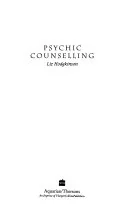
Liz Hodgkinson’s Psychic Counselling, from its 1994 debut, approaches the esoteric field with a pragmatic, almost instructional tone. It’s less about the ethereal mysteries and more about the mechanics of intuitive interaction. The strength lies in its clear, step-by-step guidance on developing and applying psychic skills for consultation, a rarity in a field often clouded by vague pronouncements. Hodgkinson’s emphasis on ethical conduct and self-care for the practitioner is particularly commendable, addressing a critical aspect often overlooked. However, the book occasionally feels constrained by its 1990s publication date, with some of the conceptual frameworks appearing somewhat dated when viewed through contemporary lenses of energy psychology or quantum spirituality. The section discussing psychic diagnosis, while informative, could benefit from modern research integration. Nevertheless, the core advice on building rapport and maintaining energetic integrity remains sound. Hodgkinson provides a valuable, no-nonsense manual for aspiring psychic advisors.
📝 Description
81
Liz Hodgkinson's Psychic Counselling, first published in 1994, maps practical techniques for intuitive guidance.
This 1994 book presents a practical approach to psychic counselling, moving past theory to offer actionable methods for developing intuitive abilities to assist others. Hodgkinson details a structured system for this work, stressing the importance of ethical conduct and personal integrity alongside psychic skill. She addresses common difficulties aspiring psychic counsellors encounter, such as maintaining energetic boundaries and managing emotional transference during sessions.
The book targets individuals already sensitive to psychic phenomena who consider offering guidance, whether formally or informally. It suits students of metaphysics, parapsychology, and spiritual development looking for a concrete methodology. Those interested in the practical use of intuition for purposes beyond self-improvement will find it useful. It also speaks to readers wanting to grasp the operational and ethical aspects of psychic consultation from a practitioner's viewpoint.
Published in 1994, Psychic Counselling appeared during a resurgence of interest in New Age spirituality and esoteric practices, following the explorations of the 1960s and 70s. It was part of a wider movement to make psychic phenomena understandable and present them as accessible skills. Unlike more theoretical predecessors, Hodgkinson's book concentrated on the hands-on application of psychic abilities within a counselling structure. This focus on practical therapeutic use distinguished it from earlier metaphysical writings and met a demand for clear instruction.
💡 Why Read This Book?
• Learn practical techniques for developing psychic perception, including methods for enhancing clairvoyance and clairsentience, as detailed in the chapters on psychic development. • Understand the ethical considerations specific to psychic counselling, such as maintaining energetic boundaries and client confidentiality, a core focus from the 1994 publication. • Gain actionable advice on managing the psychological and energetic demands of being a psychic advisor, ensuring sustainable and responsible practice.
⭐ Reader Reviews
Honest opinions from readers who have explored this book.
❓ Frequently Asked Questions
What is the primary focus of Liz Hodgkinson's Psychic Counselling?
The book's primary focus is on providing practical, step-by-step guidance for developing and utilizing psychic abilities within a counselling context. It emphasizes ethical practice and the mechanics of intuitive guidance for helping others.
When was Psychic Counselling first published?
Psychic Counselling was first published in 1994, positioning it within the context of New Age spiritual literature of that era.
Does the book offer techniques for developing psychic abilities?
Yes, the book details various methods for enhancing psychic perception, including clairvoyance, clairaudience, and clairsentience, presenting them as trainable faculties.
What ethical considerations are discussed in Psychic Counselling?
Hodgkinson addresses crucial ethical aspects such as maintaining energetic boundaries, ensuring client autonomy, managing transference, and fostering personal integrity for practitioners.
Who would benefit most from reading Psychic Counselling?
Individuals exploring their psychic sensitivities and considering offering guidance, students of metaphysics, and those interested in the practical, ethical application of intuition for helping others will find this book beneficial.
Is the book suitable for complete beginners in psychic development?
While it assumes some interest and existing sensitivity, the book's structured approach and practical exercises make it accessible for beginners looking to move into practical application.
🔮 Key Themes & Symbolism
Developing Psychic Perception
Hodgkinson presents psychic abilities like clairvoyance and clairsentience not as innate, unchangeable gifts but as skills that can be cultivated through dedicated practice. The book outlines specific exercises designed to sharpen intuitive faculties, encouraging readers to trust their inner guidance. It emphasizes the importance of a disciplined approach, akin to learning any other skill, thereby explaining the process and making it accessible to a wider audience interested in practical psychic development.
Ethical Framework for Guidance
A significant portion of Psychic Counselling is dedicated to establishing a robust ethical code for those offering psychic guidance. Hodgkinson stresses the responsibilities that come with psychic work, including maintaining confidentiality, respecting client free will, and avoiding manipulation. The work highlights the need for practitioners to be grounded and self-aware, ensuring that their personal issues do not interfere with their ability to provide objective and supportive counsel, a critical aspect for building trust and integrity.
Energetic Management
The book addresses the often-unseen energetic dynamics at play during psychic consultations. Hodgkinson explains concepts like energetic boundaries, the transference of energy between client and counsellor, and the importance of psychic hygiene. Readers are guided on how to protect their own energy fields while facilitating positive energetic shifts for the client, ensuring that the counselling process is both safe and beneficial for all involved parties.
Practical Application in Counselling
Psychic Counselling bridges the gap between esoteric theory and practical application. It moves beyond generalized spiritual advice to provide concrete strategies for using intuition in a helping capacity. The work offers a structured approach to consultations, covering aspects from initial contact to follow-up, making it a functional manual for individuals seeking to integrate their psychic insights into a supportive advisory role.
💬 Memorable Quotes
Direct passages from the work, attributed to the author.
“Intuition is a faculty that can be trained, not merely a mystical gift.”
— This interpretation highlights Hodgkinson's pragmatic approach, suggesting that psychic abilities are skills to be developed through practice and discipline, rather than solely relying on innate talent or chance.
“The psychic counsellor must be a clear channel, unclouded by personal agenda.”
— This emphasizes the core ethical requirement for a psychic advisor: to maintain neutrality and focus on the client's needs, ensuring that the guidance provided is objective and untainted by the counsellor's own desires or biases.
“Energetic boundaries are crucial for protecting both the client and the practitioner.”
— This points to the vital concept of energetic hygiene in psychic work, underscoring the necessity of safeguarding one's own energy field and respecting the client's energetic space to prevent harm or imbalance.
“Discernment is as important as perception in psychic work.”
— This highlights the need for critical evaluation of intuitive information. It's not enough to receive psychic impressions; one must also be able to interpret them wisely and ethically.
“A grounded approach ensures that psychic insights serve practical needs.”
— This suggests that psychic abilities are most effective when applied with common sense and a focus on tangible results, rather than becoming detached from everyday reality.
🌙 Esoteric Significance
Tradition
While not strictly adhering to a single esoteric lineage, Psychic Counselling draws heavily from the modern Western esoteric tradition, particularly its Theosophical and New Age branches which popularized concepts of psychic abilities as trainable human faculties. It aligns with the practical, therapeutic applications of intuition that gained traction in the late 20th century, moving away from purely ceremonial or prophetic traditions towards accessible self-development tools.
Symbolism
The book implicitly uses the 'channel' as a potent symbol, representing the ideal psychic counsellor as a clear conduit for information, free from personal distortion. The concept of 'boundaries' functions symbolically as protective shields, essential for maintaining energetic integrity and preventing psychic 'contamination' during consultations. The 'intuitive perception' itself, encompassing clairvoyance, clairaudience, and clairsentience, symbolizes expanded awareness beyond the five physical senses.
Modern Relevance
Hodgkinson's emphasis on the ethical application of intuition and the importance of energetic self-care remains highly relevant. Contemporary practitioners in fields like energy healing, intuitive coaching, and even secular mindfulness often echo these principles. The work serves as a foundational text for those seeking a structured, responsible approach to intuitive guidance, influencing modern coaches and therapists who integrate subtle energy awareness into their practices.
👥 Who Should Read This Book
• Aspiring psychic advisors and intuitive coaches seeking a practical framework for developing and ethically applying their abilities. • Students of metaphysics and parapsychology interested in understanding the mechanics and responsibilities of psychic consultation. • Individuals exploring self-help and spiritual development who wish to refine their intuitive gifts for supportive roles.
📜 Historical Context
Published in 1994, Liz Hodgkinson's Psychic Counselling emerged during a period where the New Age movement was solidifying its presence in mainstream culture, moving beyond its 1970s and 80s spiritual exploration phase. This era saw a burgeoning market for practical guides on psychic development and alternative healing. Hodgkinson's work distinguished itself from more abstract metaphysical texts by offering a structured, instructional approach to psychic counselling. It addressed a growing public interest in parapsychology and intuitive arts, influenced by figures like Shirley MacLaine and the proliferation of self-help literature. While contemporary authors like Doreen Virtue were also popularizing angelic communication and psychic readings, Hodgkinson's focus remained on the disciplined, ethical application of psychic faculties in a direct counselling role, differentiating it from purely divinatory practices.
📔 Journal Prompts
The development of psychic perception through dedicated practice.
Maintaining clear energetic boundaries as a counsellor.
The role of discernment in interpreting intuitive messages.
Balancing psychic insights with practical, grounded advice.
Reflecting on the ethical responsibilities of offering psychic guidance.
🗂️ Glossary
Clairvoyance
The ability to perceive information beyond the normal range of sight, often experienced as mental images or visions.
Clairaudience
The capacity to hear sounds or voices that are not audible through the physical ear, often perceived as internal or subtle auditory impressions.
Clairsentience
The ability to sense or feel information, emotions, or energies from people, places, or objects.
Energetic Boundaries
The protective psychic field that separates one individual's energy from another's, essential for preventing energetic contamination or overload.
Psychic Hygiene
Practices and techniques used to maintain the clarity, purity, and strength of one's own psychic energy field.
Transference
In a psychic context, the exchange or projection of emotional or energetic material between client and counsellor.
Discernment
The ability to judge well, especially in distinguishing between accurate intuitive impressions and mental noise or projections.
This book appears in 1 collection
🔮 Readers Also Liked
Browse all →








From the “Aura Cleansing” Collection
View all →






More Free Occult Philosophy Books
View all →