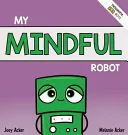
Bare III

 71
71

Bare III
Jackie Phamotse’s Bare III, appearing in 2020, offers a continuation of her distinctive voice in esoteric discourse. Unlike many works that tread familiar spiritual ground, Phamotse consistently challenges conventional interpretations of power and consciousness. The book’s strength lies in its direct, unvarnished approach to dissecting societal illusions. For instance, the examination of how collective narratives foster a sense of powerlessness is particularly sharp. However, the work’s intensity, while a virtue for some, can also be a barrier; the relentless critique without extensive illustrative examples for every point might leave some readers feeling adrift. A passage discussing the 'echo chambers' of belief systems, while conceptually potent, could benefit from more concrete case studies to fully land its argument. Despite this, Bare III solidifies Phamotse's position as a significant, if demanding, voice in contemporary esoteric thought.
This is a challenging but rewarding text for the dedicated seeker.
📝 Description
71
Jackie Phamotse's Bare III, published in 2020, continues her examination of societal structures and personal liberation.
Bare III is the third book in Jackie Phamotse's series, published in 2020. It is not a traditional narrative but a structured discourse. The book continues dialogues from earlier volumes, focusing on hidden knowledge and its effect on consciousness. It challenges established ideas and encourages critical thought about societal paradigms.
This work is for those interested in philosophy, power dynamics, and spiritual autonomy. Readers who question conventional thinking and seek alternative perspectives on personal empowerment will find it relevant. It addresses how societal control mechanisms operate and suggests pathways to inner freedom.
Published in 2020, Bare III follows a long tradition of esoteric literature that aims to make complex spiritual and philosophical ideas understandable to a wider audience. It emerges in a time of increased interest in spirituality and self-help, mirroring a trend where individuals question societal norms. The book seeks to demystify concepts, encouraging readers to look beyond surface appearances and seek deeper meaning.
💡 Why Read This Book?
• Gain a critical framework for understanding societal conditioning, particularly how the concept of 'societal structures' as presented in Bare III can limit individual perception and autonomy. • Explore the notion of 'inner sovereignty' as detailed by Phamotse, moving beyond superficial self-help to a deeper, more radical reclaiming of personal power. • Understand the esoteric principle of interconnectedness through Phamotse's lens, learning to see beyond apparent divisions and recognize the underlying unity of existence.
⭐ Reader Reviews
Honest opinions from readers who have explored this book.
❓ Frequently Asked Questions
What year was Jackie Phamotse's Bare III first published?
Jackie Phamotse's Bare III was first published in 2020. This edition continues the thematic explorations established in its preceding volumes, offering contemporary insights into esoteric philosophy and societal critique.
What are the main subjects covered in Bare III?
Bare III primarily addresses esoteric philosophy, focusing on societal conditioning, personal liberation, the nature of consciousness, and the unveiling of hidden knowledge. It encourages readers to question established paradigms and seek inner sovereignty.
Is Bare III a sequel to previous books by Jackie Phamotse?
Yes, Bare III is the third installment in a series by Jackie Phamotse, building upon themes and concepts introduced in earlier works. It continues the author's distinctive approach to esoteric thought.
What kind of reader would benefit most from Bare III?
Individuals interested in critical philosophy, spiritual autonomy, and understanding societal control mechanisms will find Bare III particularly beneficial. It is suited for those seeking to deepen their self-awareness and challenge conventional beliefs.
Does Bare III offer practical exercises or meditations?
While Bare III is rich in philosophical concepts and critical analysis, its primary focus is on intellectual and spiritual awakening through understanding. It aims to shift perspective rather than provide step-by-step practical exercises.
What is the author's general perspective in Bare III?
Jackie Phamotse's perspective in Bare III is one of critical inquiry into societal structures and the empowerment of the individual. She advocates for shedding illusions and reclaiming personal sovereignty through heightened awareness.
🔮 Key Themes & Symbolism
Societal Conditioning
Phamotse critically examines how societal structures and collective narratives function to condition individual thought and behavior. The work posits that much of what is accepted as reality is, in fact, a construct designed to maintain a specific order. This theme encourages readers to identify the invisible 'rules' and assumptions that govern their lives, moving towards a more conscious and less reactive existence. The book urges a dismantling of these imposed frameworks to foster genuine self-determination.
Inner Sovereignty
A central tenet of Bare III is the concept of inner sovereignty – the inherent power and authority each individual possesses over their own consciousness and life path. Phamotse argues that this sovereignty is often surrendered unknowingly to external systems and beliefs. Reclaiming it involves rigorous self-inquiry, detachment from external validation, and the courage to align with one's authentic truth, regardless of societal pressures.
Unveiling Illusions
The book functions as a guide to piercing through layers of illusion, both personal and collective. Phamotse uses the metaphor of a 'veil' to represent the perceived reality that obscures deeper truths. This theme calls for a conscious effort to question appearances, recognize deception in various forms, and seek a more fundamental understanding of existence. The process is depicted as challenging but ultimately liberating.
Consciousness and Awareness
Bare III emphasizes the transformative power of consciousness and heightened awareness. It suggests that an expanded state of awareness is the key to understanding the mechanics of control and illusion. By cultivating mindfulness and introspection, readers are encouraged to observe their thoughts, emotions, and reactions without judgment, thereby gaining mastery over their internal landscape and influencing their external reality.
💬 Memorable Quotes
Direct passages from the work, attributed to the author.
“The echo chambers we inhabit are not built by others alone; we fortify their walls with our own fears.”
— This statement highlights the internal role individuals play in their own mental and societal confinement. It suggests that our own anxieties and reluctance to question solidify the limiting beliefs and perspectives we are exposed to.
“The veil is thinnest when the observer is most present.”
— This aphorism links the perception of deeper reality (piercing the veil) to the state of mindful presence. It implies that by fully inhabiting the present moment, one can transcend ordinary perception and access more profound truths.
“We are not merely products of our environment; we are architects of its influence upon us.”
— This idea reframes the relationship between the individual and their surroundings. It moves away from a deterministic view, suggesting that individuals possess agency in how they are affected by and interact with their environment.
“Sovereignty begins not with a declaration, but with a quiet, unshakeable knowing within.”
— This interpretation of inner sovereignty emphasizes its internal origin. It suggests that true self-rule is an intrinsic state of being, a deep-seated certainty rather than an outward performance or claim.
💡 Key Ideas
Editorial paraphrase of the work's core concepts — not direct quotes.
True freedom is not the absence of external constraints, but the internal liberation from the need for them.
This quote distinguishes between external circumstances and internal states of being. It posits that genuine freedom arises from a shift in consciousness, where one is no longer dependent on or defined by external conditions or limitations.
🌙 Esoteric Significance
Tradition
Bare III draws implicitly from Gnostic traditions that emphasize the unveiling of hidden knowledge (gnosis) to overcome a flawed material reality, and from Hermetic principles concerning the mind's power to shape reality. It departs from more dogmatic or ritualistic traditions by focusing on a radical, deconstructive approach to consciousness and societal structures, prioritizing direct experience and critical inquiry over adherence to specific doctrines or lineages.
Symbolism
The 'veil' serves as a primary symbol, representing the illusionary nature of perceived reality and the barriers to deeper understanding. Phamotse also implicitly uses the concept of 'architecture' to symbolize the constructed nature of societal norms and belief systems, which readers are encouraged to deconstruct. The idea of 'sovereignty' itself functions symbolically, representing an inner citadel of self-awareness and authority.
Modern Relevance
Contemporary thinkers and movements focused on consciousness studies, deconstruction of power structures, and radical self-empowerment can find resonance in Phamotse's work. Practices emphasizing mindfulness, critical thinking, and challenging cognitive biases echo the core tenets of Bare III. It speaks to a modern audience grappling with information overload and seeking authentic ways to navigate complex societal dynamics and reclaim personal agency.
👥 Who Should Read This Book
• Critical thinkers and philosophy students interested in deconstructing societal norms and exploring alternative frameworks of reality. • Individuals on a path of spiritual awakening seeking to understand the mechanisms of self-imposed limitations and societal control. • Readers who appreciate direct, challenging discourse that pushes beyond conventional self-help to foster profound introspection and personal sovereignty.
📜 Historical Context
Bare III, published in 2020, enters a contemporary landscape where interest in esoteric philosophy and self-empowerment has surged, partly fueled by online communities and a global questioning of established institutions post-2008. Phamotse's work can be seen as part of a broader 21st-century esoteric revival, distinct from the more structured, institutionalized movements of the late 19th and early 20th centuries like Theosophy or the Hermetic Order of the Golden Dawn. Unlike contemporaries who might focus on specific ancient traditions, Phamotse’s approach is more deconstructive, directly challenging the reader to confront perceived limitations. The year 2020 itself was marked by significant global events that amplified discussions around control, truth, and individual agency, providing a fertile ground for works like Bare III that encourage critical self-reflection and a re-evaluation of societal narratives. While not directly engaging with specific scholars or movements in this volume, its themes echo broader philosophical currents questioning materialism and seeking deeper meaning, often presented through accessible, albeit challenging, prose.
📔 Journal Prompts
The walls of our echo chambers: identify one fear that fortifies your own.
Internal liberation: how has your perception of freedom shifted beyond external conditions?
The observer's presence: recall a moment when the veil felt thinnest for you.
Architect of influence: describe one way you actively shape your environment's impact.
Quiet knowing: articulate the core of your unshakeable inner certainty.
🗂️ Glossary
Veil
A metaphorical barrier representing the illusionary nature of perceived reality, obscuring deeper truths and preventing direct experience of fundamental existence.
Inner Sovereignty
The inherent authority and autonomy an individual possesses over their own consciousness, thoughts, and life path, independent of external validation or control.
Societal Conditioning
The process by which societal norms, beliefs, and structures influence and shape an individual's thoughts, behaviors, and perception of reality.
Echo Chambers
Environments, often digital or social, where individuals are primarily exposed to information and opinions that confirm their existing beliefs, reinforcing biases.
Consciousness
The state or quality of awareness, or of being aware of an external object or something within oneself. In this context, it refers to the capacity for subjective experience and perception.
Deconstruction
In this context, the process of analyzing and dismantling established ideas, systems, or narratives to reveal underlying assumptions, power structures, and limitations.
Authentic Truth
The genuine, core reality of one's being and perspective, as opposed to truths imposed by external sources or societal consensus.
🔮 Readers Also Liked
Browse all →







More by Jackie Phamotse
All books →
More Free Occult Philosophy Books
View all →