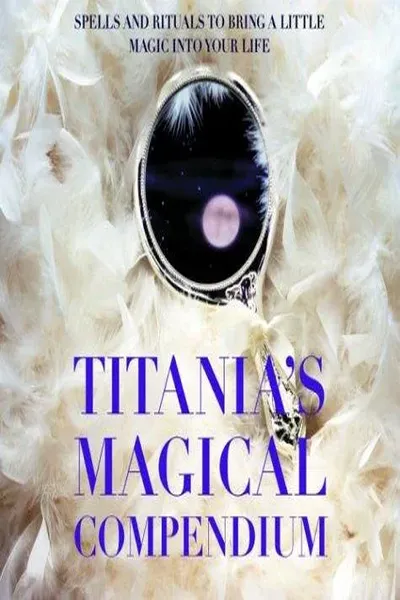
Hocus pocus

 72
72

Hocus pocus
Titania Hardie's Hocus Pocus offers a commendable attempt to map the terrain of magical practice without resorting to sensationalism. Its strength lies in its systematic breakdown of core concepts, presenting them in a way that encourages thoughtful consideration rather than blind acceptance. The section on sympathetic magic, for instance, provides a clear, concise explanation of its underlying logic, drawing parallels to widely understood principles of connection and influence. However, the work occasionally feels overly academic, sometimes sacrificing the experiential texture that many readers seek in books on magic. A notable passage discussing the ‘will’ as a directed force could benefit from more concrete examples of its application beyond theoretical description. While informative, it sometimes struggles to bridge the gap between intellectual understanding and practical embodiment. Ultimately, Hocus Pocus serves as a solid, if somewhat dry, introduction to the conceptual framework of magic.
📝 Description
72
Titania Hardie's Hocus Pocus, published in 2000, examines the principles behind magical practices.
Hocus Pocus by Titania Hardie analyzes the theory and history of magical practices, aiming for clear explanation rather than sensationalism. The book structures its approach around fundamental elements of spellcasting and ritual, focusing on the principles that shape magical thought and action. Hardie emphasizes understanding these underlying concepts over providing direct instructions for spell execution.
This work is primarily for those interested in the historical and theoretical foundations of magic. It will appeal to students of religion, folklore scholars, and individuals studying belief systems. Readers looking for explicit, step-by-step spell guides may find its conceptual focus less direct. Hardie's analysis encourages a deeper comprehension of magical ideas and their cultural contexts.
Published in 2000, Hocus Pocus appeared during a resurgence of interest in esoteric subjects. This period saw many books attempting to organize and explain various spiritual traditions. Hardie's work engages with this trend, drawing parallels to authors like Doreen Valiente, who documented modern witchcraft, and reflecting an intellectual climate influenced by Carl Jung's theories on archetypes and the collective unconscious.
💡 Why Read This Book?
• Learn about the foundational principles of sympathetic magic, understanding how connections between objects and people are conceptualized within magical frameworks, as explored in Hardie's detailed explanations. • Gain insight into the psychological role of belief in magical outcomes, as the book examines how conviction shapes perceived results, a concept central to many esoteric traditions. • Understand the historical development of magical concepts, tracing their evolution and adaptation across different cultures and eras, providing context for contemporary practices.
⭐ Reader Reviews
Honest opinions from readers who have explored this book.
❓ Frequently Asked Questions
When was Hocus Pocus first published?
Hocus Pocus by Titania Hardie was first published in the year 2000, marking its release at the beginning of the 21st century.
What is the primary focus of Titania Hardie's Hocus Pocus?
The book primarily focuses on demystifying magical practices by exploring their theoretical underpinnings, conceptual frameworks, and the principles behind spellcasting and ritual work.
Does Hocus Pocus provide step-by-step spell instructions?
While it explains the concepts behind magic, Hocus Pocus is less focused on providing direct, step-by-step spell recipes and more on understanding the 'why' and 'how' of magical thinking.
Who would benefit most from reading Hocus Pocus?
Students of comparative religion, folklore, psychology of belief, and those interested in the theoretical aspects of esoteric practices would find this book particularly beneficial.
What historical period influenced the writing of Hocus Pocus?
The book emerged in the late stages of the 'New Age' movement around the turn of the millennium, a time of significant popular interest in various spiritual and occult subjects.
Does the book discuss ethical considerations in magic?
Yes, Hocus Pocus touches upon the ethical considerations often associated with magical practice, acknowledging the responsibilities that come with working with magical energies and intentions.
🔮 Key Themes & Symbolism
The Nature of Intention
Hardie's work emphasizes intention as a core part of magical practice. It explores how focused will and desire can be directed to influence reality. The book details how intention is not merely a wish, but a conscious act of shaping energy and directing it towards a specific outcome. This concept is explored through various techniques, highlighting the importance of clarity and commitment in magical workings, differentiating it from passive hope or mere thought.
Sympathetic Magic Principles
The book elucidates the principles of sympathetic magic, where like affects like and a connection can be established between two objects or individuals. Hardie explains how this concept, prevalent across many cultures, relies on the idea that the universe is interconnected. It examines the use of representations, such as dolls or effigies, and the transference of energy or influence through these links, providing a theoretical basis for many ritualistic practices.
Symbolism in Ritual
Hocus Pocus explores the profound role of symbolism within magical rituals. It posits that symbols act as a language between the conscious and unconscious mind, and between the practitioner and the subtle energies they seek to work with. The book discusses how specific symbols, when employed in ritual, can evoke particular archetypes, energies, or states of consciousness, thereby amplifying the effectiveness of the magical operation.
The Power of Belief
A significant theme is the exploration of belief as a catalyst for magical phenomena. Hardie examines how a practitioner's unwavering conviction in the efficacy of a ritual or spell can be a critical factor in its success. The work discusses the psychological underpinnings of belief and its potential to shape perception and, consequently, manifest desired outcomes, aligning with principles discussed by thinkers like William James.
💬 Memorable Quotes
Direct passages from the work, attributed to the author.
“The directed will is the engine of magic.”
— This concise statement expresses the book's view of intention. It suggests that magic is not passive but an active force, requiring conscious effort and focused energy to effect change in the world.
“Connection is the basis of sympathetic action.”
— This highlights the core principle of sympathetic magic. It explains that magical practices relying on connection, such as using a personal item in a spell, function because of an underlying belief in universal interconnectedness.
“Symbols are keys to unlocking deeper understanding.”
— This interpretation emphasizes the symbolic language of magic. It suggests that symbols serve as potent tools for accessing hidden knowledge, subconscious realms, and spiritual insights within esoteric traditions.
“Ritual provides structure for energy.”
— This highlights the functional aspect of ritual. It suggests that formalized actions and sequences within a ritual create a container and pathway for directing and managing magical energies effectively.
💡 Key Ideas
Editorial paraphrase of the work's core concepts — not direct quotes.
Belief transforms potential into reality.
This paraphrase points to the psychological power of conviction in magic. It argues that a strong belief system is essential for a practitioner to manifest their desired outcomes, turning abstract possibilities into tangible results.
🌙 Esoteric Significance
Tradition
Hocus Pocus fits within the broader Western Esoteric Tradition, particularly drawing from traditions that emphasize practical magical application and theoretical understanding. While not strictly Hermetic or Kabbalistic, it incorporates principles common to these lineages, such as the power of will and the significance of symbolic language. It departs from purely ceremonial magic by focusing on the underlying psychology and conceptual framework rather than strict adherence to historical ritual forms, offering a more generalized approach to magical thinking.
Symbolism
Key symbols explored include the wand, representing directed will and intention; the circle, signifying a sacred space and a boundary for magical work; and various elemental symbols, representing the fundamental forces of nature and consciousness. These symbols are presented not just as objects but as active agents within ritual, imbued with meaning and power that practitioners can harness through focused intent and belief.
Modern Relevance
Contemporary practitioners of modern witchcraft, chaos magic, and even psychological approaches to manifestation often engage with the foundational concepts presented in Hocus Pocus. Its emphasis on intention, belief, and the systematic understanding of magical principles appeals to modern trends that seek to clarify occult practices and integrate them into personal development or therapeutic contexts.
👥 Who Should Read This Book
• Aspiring practitioners of Western Esotericism seeking a conceptual overview before diving into specific traditions like Ceremonial Magic or Wicca. • Students of folklore and comparative religion interested in the theoretical underpinnings and cultural persistence of magical beliefs and practices. • Individuals exploring the psychology of belief and intention, looking for structured explanations of how focused thought and ritual can influence perceived reality.
📜 Historical Context
Published in 2000, Titania Hardie's Hocus Pocus emerged in an era marked by the internet's burgeoning influence and a continued, albeit evolving, popular fascination with esoteric subjects. This period saw a wave of books attempting to synthesize or explain various occult traditions, often seeking to present them in a more accessible, less sensationalized light than previous generations. Hardie’s work can be situated alongside contemporaries like Doreen Valiente, who was instrumental in codifying modern Wiccan practices, and within a broader milieu influenced by psychological interpretations of magic, echoing Carl Jung's exploration of archetypes. While not a direct engagement, it implicitly responded to a cultural landscape where figures like Israel Regardie had previously made older magical texts more widely available. The book's structured approach offered a counterpoint to more eclectic or purely experiential magical texts, providing a conceptual grounding that appealed to a readership seeking systematic understanding.
📔 Journal Prompts
The concept of directed will as the engine of magic.
How the principle of connection underpins sympathetic actions.
The role of symbols in unlocking deeper understanding.
Belief's transformation of potential into reality.
Ritual's function in structuring and directing energy.
🗂️ Glossary
Intention
The focused mental state and conscious will directed towards achieving a specific outcome, considered a primary force in magical operations.
Sympathetic Magic
A type of magic based on the principle that 'like affects like' and that a connection can be established between two objects or people, allowing influence to be transferred.
Symbolism
The use of images, signs, or objects to represent abstract ideas or concepts, crucial for communicating with the subconscious and directing magical energies.
Visualization
The mental creation of vivid images, often used in conjunction with intention to impress a desired outcome upon the subconscious or energetic field.
Ritual
A prescribed set of actions, words, or symbols performed in a specific sequence, designed to create a sacred space and direct magical energy effectively.
Belief
A state of mind in which one accepts something as true or real, considered a critical component for the efficacy of magical practices.
Esoteric
Intended for or likely to be understood by only a small number of people with a specialized knowledge or interest, particularly in mystical or occult subjects.
🔮 Readers Also Liked
Browse all →

![The Dark Night of the Soul [microform]](/img/thumb/the-dark-night-of-the-soul-microform-saint-1542-1591-john-of-the-cross-359215.webp)






More by Titania Hardie
All books →



More Free Occult Philosophy Books
View all →