At the feet of the master
 72
72

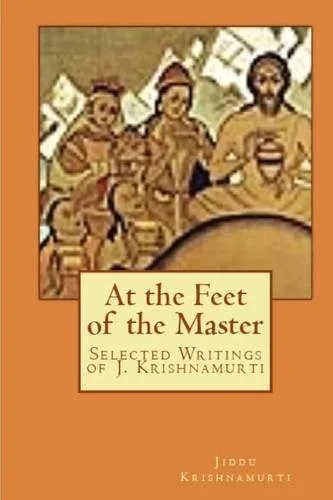
At the feet of the master
The enduring appeal of "At the Feet of the Master" lies in its directness, a quality often lost in more verbose spiritual texts. Krishnamurti, or rather the voice attributed to him here, bypasses elaborate metaphysical systems to address the aspiring student with stark, practical advice. The strength of the book is its unwavering focus on the inner discipline required for genuine spiritual progress. For instance, the delineation of "Dispassion" as a healthy detachment rather than mere indifference offers a nuanced perspective. However, its limitation is precisely this focused approach; readers seeking complex philosophical arguments or a broad survey of esoteric traditions will find it sparse. The section on "Good Conduct," while vital, can feel somewhat prescriptive to a modern, less dogmatic audience. Ultimately, it serves as a potent, albeit narrow, primer for the dedicated seeker.
📝 Description
72
First published in 1985, At the Feet of the Master is a series of talks given by Jiddu Krishnamurti as a young man.
This text outlines the initial steps for spiritual inquiry, detailing the qualities and disciplines needed to follow a spiritual teacher or path. It centers on the concept of the 'Inner Teacher' and the preparation necessary to recognize and engage with it. The book is structured for those new to spiritual or esoteric studies, offering a method for self discovery and understanding the inner life. It is particularly valuable for individuals interested in the core ideas of the Theosophical movement or for those who prefer practical application over abstract dogma in comparative spirituality. The work asks the sincere seeker to examine their own motivations and actions.
Originally written by Jiddu Krishnamurti around 1910 under the pseudonym Master Alcyone, the book reflects the Theosophical milieu of that era. Its later 1985 publication brought these teachings to a wider audience. At that time, Theosophy, influenced by figures like Helena Blavatsky and Annie Besant, held considerable sway in Western esotericism. The book was conceived as a guide for young aspirants within the Theosophical Society, instructing them on how to approach the 'Masters of Wisdom' with proper discernment. Its themes align with contemporary spiritual movements that stressed inner growth and ethical conduct.
Emerging from the Theosophical Society founded by Helena Blavatsky, this work was written during a period when Theosophy significantly influenced Western esoteric thought. The book's focus on aspiring discipleship and the guidance of inner masters connects it to broader Theosophical teachings on spiritual evolution and the planes of consciousness. It reflects the early 20th century's interest in Eastern philosophies and practical spiritual disciplines as interpreted through a Western lens.
💡 Why Read This Book?
• Gain concrete guidance on the Four Qualifications (Discrimination, Dispassion, Good Conduct, Love) as outlined in the text, offering specific practices for ethical self-cultivation. • Understand the concept of the 'Inner Teacher' and the preparatory disciplines required for spiritual perception, as detailed in the early chapters. • Explore the foundational principles of early 20th-century Theosophy through a seminal text, providing context for later esoteric movements.
⭐ Reader Reviews
Honest opinions from readers who have explored this book.
❓ Frequently Asked Questions
Who originally wrote 'At the Feet of the Master'?
The book was first published under the name 'Master Alcyone' in 1910. This was a pseudonym for Jiddu Krishnamurti, who later repudiated the Theosophical teachings associated with this period of his life.
What are the main qualifications for discipleship discussed in the book?
The book outlines four primary qualifications: Discrimination (discerning the real from the unreal), Dispassion (detachment from worldly desires and outcomes), Good Conduct (ethical living), and Love (unconditional, selfless devotion).
Is this book suitable for absolute beginners in spirituality?
Yes, it is specifically designed as an introductory guide for those beginning their spiritual journey, offering foundational principles and practical advice.
What is the significance of 'Master Alcyone'?
'Master Alcyone' was the pen name used by Jiddu Krishnamurti when he was a young man and involved with the Theosophical Society. The book represents his early teachings.
Does Krishnamurti endorse the teachings in this book later in his life?
No, as he matured, Krishnamurti distanced himself from the Theosophical Society and the specific teachings presented in 'At the Feet of the Master,' emphasizing self-discovery without gurus or dogma.
What historical movement is this book associated with?
The book is strongly associated with the Theosophical movement, which was prominent in the late 19th and early 20th centuries, influencing many subsequent esoteric and New Age traditions.
🔮 Key Themes & Symbolism
The Four Qualifications
This theme focuses on the essential virtues required for spiritual progress. Discrimination is the ability to distinguish between the permanent and the temporary, the true and the false. Dispassion is not apathy but a freedom from attachment to the results of actions or worldly possessions. Good Conduct involves living ethically, guided by principles of honesty, purity, and compassion. Love, in this context, signifies an unconditional, selfless outpouring of divine energy. These four form the bedrock of the aspirant's inner development according to the text.
The Inner Teacher
The concept of the 'Inner Teacher' or 'Inner Master' is central. This is not an external figure but an internal presence or wisdom accessible through diligent self-discipline and purification. The book suggests that one must prepare oneself to perceive and follow this inner guidance. It emphasizes that true spiritual authority resides within, and the external path is merely a means to awaken this inner faculty. Recognizing this teacher requires a purified mind and heart, free from egoic interference.
The Path of Discipleship
This theme addresses the structured approach to spiritual advancement. It describes the journey as a 'Path' with distinct stages and requirements. Discipleship, as presented, is not about blind obedience but about disciplined self-mastery in service to a higher purpose. The text details the necessary mental and moral preparations, stressing that the path is arduous and demands unwavering commitment. It outlines the qualities one must cultivate to walk this path effectively and eventually serve humanity.
The Nature of Reality
Underlying the practical advice is an exploration of the fundamental nature of existence. The book contrasts the transient, material world with the eternal, spiritual reality. It encourages readers to look beyond superficial appearances and sensory experiences to grasp a deeper, more enduring truth. This involves understanding the illusory nature of the ego and the material plane, and recognizing the underlying unity and divine essence that pervades all things.
💬 Memorable Quotes
Direct passages from the work, attributed to the author.
“Love is the expression of the divine will.”
— This interpretation points to the highest qualification, portraying love not as mere emotion but as a selfless, unconditional force aligned with the fundamental purpose of existence.
“Preparation for the Path is essential.”
— This concept underscores the text's structured approach, suggesting that spiritual progress requires deliberate cultivation of specific virtues and mental states before one can effectively tread the spiritual journey.
💡 Key Ideas
Editorial paraphrase of the work's core concepts — not direct quotes.
The Master is within you.
This paraphrase captures the core idea that true spiritual guidance is not external but an intrinsic faculty of the individual, awakened through disciplined practice and inner purity.
Discrimination is the ability to distinguish the real from the unreal.
This quote highlights the first of the four key qualifications, emphasizing the critical role of discernment in separating the eternal truths from the fleeting illusions of the material world.
Dispassion is freedom from attachment.
This paraphrased concept clarifies the meaning of dispassion, differentiating it from indifference by framing it as a liberation from the demands and anxieties of worldly desires and outcomes.
🌙 Esoteric Significance
Tradition
The work is deeply rooted in the Theosophical tradition, which sought to synthesize Eastern and Western esoteric philosophies. It draws upon concepts of karma, reincarnation, spiritual hierarchies (Masters), and the necessity of discipleship for evolution, as articulated by figures like Helena Blavatsky and Annie Besant. However, it also carries Krishnamurti's distinctive emphasis on direct perception and the rejection of external authority, hinting at his later, more individualistic philosophical stance.
Symbolism
A key symbol is the 'Path' itself, representing the arduous but structured journey of spiritual development. The 'Inner Teacher' or 'Master' symbolizes the divine spark within each individual, the source of true wisdom that must be cultivated and recognized. The 'Four Qualifications' (Discrimination, Dispassion, Good Conduct, Love) function as symbolic pillars supporting the aspirant's progress, each representing a fundamental aspect of spiritual transformation.
Modern Relevance
Contemporary mindfulness practices and secularized ethical frameworks often echo the 'Four Qualifications,' particularly Discrimination and Good Conduct, albeit without the explicit Theosophical context. Thinkers focused on self-inquiry, psychological integration, and the development of consciousness continue to find value in its direct approach to inner transformation, even if they distance themselves from the book's original spiritual hierarchy concepts.
👥 Who Should Read This Book
• Aspiring students of esoteric philosophy seeking a structured introduction to spiritual disciplines and ethical self-cultivation. • Researchers interested in the foundational texts and movements of early 20th-century Theosophy and its influence on later esoteric thought. • Individuals exploring comparative spirituality who value practical guidance on inner development over abstract metaphysical systems.
📜 Historical Context
Published in 1985, "At the Feet of the Master" represents a later dissemination of teachings originally penned around 1910 by Jiddu Krishnamurti under the pseudonym 'Master Alcyone'. This period was the zenith of the Theosophical Society's influence, a movement founded by Helena Blavatsky and championed by Annie Besant. The book served as a foundational text for young aspirants within the Theosophical fold, aiming to guide them towards recognizing the 'Masters of Wisdom.' Its approach to spiritual development, emphasizing inner discipline and ethical conduct, stood in contrast to more purely intellectual or devotional paths prevalent at the time. While Krishnamurti himself later disavowed much of his early Theosophical involvement, the book remained a significant entry point into esoteric thought for many, influencing subsequent generations of spiritual seekers. Its reception was largely positive within esoteric circles, though its Theosophical origins sometimes led to differing interpretations.
📔 Journal Prompts
The Four Qualifications: How does your practice of Discrimination align with discerning the eternal from the transient in daily life?
The Inner Teacher: Reflect on moments when you felt an intuitive guidance; how did you recognize it?
Good Conduct: Identify one specific ethical challenge you face and how the principle of Good Conduct might inform your response.
The Path: What does the concept of 'preparation' for a spiritual path mean to you personally?
Dispassion: Examine your attachments; which ones hinder your inner peace the most?
🗂️ Glossary
The Path
Refers to the spiritual journey or the process of discipleship, characterized by rigorous self-discipline, ethical living, and the pursuit of higher consciousness.
Master Alcyone
The pseudonym used by Jiddu Krishnamurti in his early writings for the Theosophical Society. It referred to a spiritual teacher figure.
Discrimination
The first qualification for the Path; the ability to distinguish between the real (eternal, spiritual) and the unreal (transient, material).
Dispassion
The second qualification; a state of detachment from worldly desires, outcomes of actions, and personal attachments, fostering inner freedom.
Good Conduct
The third qualification; living ethically, characterized by honesty, purity of thought and action, and selfless service.
Love
The fourth and highest qualification; an unconditional, selfless, divine force or expression of will directed towards all beings.
Inner Teacher
The internal source of wisdom and guidance, often referred to as the Higher Self or the Christ within, which one learns to recognize and follow.
🔮 Readers Also Liked
Browse all →





More by Jiddu Krishnamurti, Tang fa nao, Master Alcyone
All books →
More Free Theosophy & Anthroposophy Books
View all →