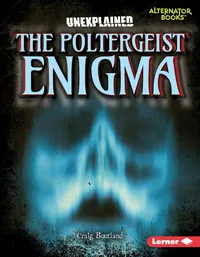
Aru Shah And The End Of Time

 73
73

Aru Shah And The End Of Time
Roshani Chokshi’s Aru Shah And The End Of Time injects a vibrant, necessary dose of Indian mythology into the often homogenous landscape of children's fantasy. The novel’s greatest triumph lies in its humor and the sheer exuberance with which it reimagines ancient tales. Aru’s voice is sharp and relatable, making her reluctant hero’s journey from prankster to savior utterly engaging. The concept of the Pandavas’ descendants being responsible for guarding the world against ancient evils is a clever narrative hook. However, the pacing occasionally falters, particularly in the middle sections where the quest’s momentum seems to wane slightly before a strong conclusion. The depiction of the Hindu pantheon and its associated conflicts, while accessible, sometimes feels simplified for the target audience, losing some of the original epics' intricate philosophical depth. Despite these minor points, Chokshi delivers an entertaining and culturally rich adventure that champions the power of myth.
Verdict: A spirited, mythologically grounded adventure that sparkles with wit.
📝 Description
73
Roshani Chokshi's 2018 novel Aru Shah And The End Of Time reimagines Hindu mythology for young readers.
Aru Shah And The End Of Time follows Aru Shah, a young Indian-American girl who accidentally releases an ancient demon. This act forces her into a quest to save the world, drawing directly from the Hindu epics. The narrative is deeply rooted in the lore of the Pandavas from the Mahabharata, presenting these figures and their stories in a modern context.
The book is aimed at middle-grade readers who appreciate adventure and humor. It connects readers to Indian culture and mythology through its engaging plot. Those who enjoy fantasy quests, stories featuring unexpected heroes, and explorations of identity will find this novel appealing. It also serves as an accessible introduction for anyone curious about Hindu epics.
Published in 2018, the novel is part of a broader movement in children's literature to include more diverse cultural perspectives. It implicitly contrasts with the prevalence of Western European folklore in popular children's fiction, offering a different set of myths and traditions.
This novel engages with the Hindu concept of dharma, the principle of cosmic order and righteousness, as a central theme. Aru's quest is a direct response to the disruption of this order. The story draws heavily on the Pandavas, key figures from the Mahabharata, and introduces concepts of devas (gods) and asuras (demons). It makes these ancient mythological roles and conflicts understandable through the lens of contemporary challenges such as courage, friendship, and personal identity.
💡 Why Read This Book?
• Gain an accessible introduction to core concepts of Hindu mythology, such as the Pandavas and the nature of demons, presented through a compelling narrative structure established in the 2018 publication. • Experience a fresh perspective on heroism through Aru Shah, whose journey emphasizes self-acceptance and understanding one's heritage, directly challenging traditional archetypes. • Discover a story that actively counters the Western-centric focus of much children's fantasy, offering rich cultural representation and intricate world-building rooted in ancient Indian epics.
⭐ Reader Reviews
Honest opinions from readers who have explored this book.
❓ Frequently Asked Questions
What Hindu deities are featured in Aru Shah And The End Of Time?
The book prominently features the Pandavas, the five heroic brothers from the Mahabharata, and their divine father, Indra. It also introduces various other celestial beings (devas) and demons (asuras) central to Hindu cosmology.
Is Aru Shah And The End Of Time based on a specific Hindu epic?
Yes, it is primarily inspired by the Mahabharata, particularly the story of the Pandavas, and also draws elements from the Ramayana. The 2018 novel reinterprets these ancient narratives for a modern young audience.
What is the significance of the 'End of Time' in the book?
The 'End of Time' refers to a catastrophic event, the 'Great Destroyer,' that Aru accidentally triggers. Her quest is to prevent this apocalyptic scenario and restore balance to the universe, a theme echoing cyclical destruction and renewal in Hindu philosophy.
Who are the main antagonists in the story?
The primary antagonist is the demon king, a representation of the forces of chaos and evil that threaten the cosmic order. His release by Aru sets the central conflict of the 2018 novel in motion.
What are the main themes explored in Aru Shah And The End Of Time?
Key themes include identity, courage, the importance of family and friendship, and embracing one's heritage. The narrative also explores the concept of dharma and the consequences of one's actions.
Is this book part of a series?
Yes, Aru Shah And The End Of Time is the first book in the 'Pandava Quartet' series by Roshani Chokshi, with subsequent books continuing Aru's adventures.
🔮 Key Themes & Symbolism
Mythological Reinterpretation
The novel takes ancient Hindu epics, specifically the Mahabharata and Ramayana, and reframes them through a contemporary lens. Instead of focusing solely on the original Pandavas, it introduces their modern-day descendants, like Aru, who inherit their divine lineage and cosmic responsibilities. This approach allows for a fresh engagement with classic stories, making figures like Indra and demons such as the Rakshasas accessible to a new generation. The narrative actively translates complex mythological conflicts into relatable challenges for a young protagonist, demonstrating how ancient narratives can be revitalized.
Identity and Belonging
Aru Shah grapples with her identity as an Indian-American girl, feeling like an outsider and often resorting to tall tales to impress her peers. Her journey into the world of Hindu mythology forces her to confront her true heritage and the immense power and responsibility she possesses. The theme of belonging is central as she discovers a hidden community of Pandava descendants and learns the importance of embracing who she is, not just who she pretends to be. This exploration is vital for young readers navigating their own sense of self.
Courage and Sacrifice
The narrative is driven by Aru's reluctant courage in the face of overwhelming odds. Initially motivated by a desire to fix her mistake, she evolves into a genuinely brave hero who understands the necessity of sacrifice for the greater good. This aligns with the heroic archetypes found in Hindu epics, where gods and heroes often face trials that demand immense bravery and selfless acts. The book highlights that courage isn't the absence of fear, but the willingness to act despite it.
The Nature of Dharma
Central to the story is the concept of dharma – one's duty, righteousness, and cosmic order. Aru's actions, particularly the accidental release of the demon, disrupt this order. Her quest is not just about defeating evil but about restoring balance and fulfilling her dharma as a descendant of the Pandavas. The book subtly educates readers about this fundamental Hindu principle, illustrating how individual actions have far-reaching consequences within a divinely ordained cosmic structure.
💬 Memorable Quotes
Direct passages from the work, attributed to the author.
“‘You are a daughter of the Pandavas. You carry their legacy.’”
— This statement marks a turning point for Aru, confronting her with her hidden heritage. It signifies the shift from her mundane, insecure existence to embracing a destiny intertwined with ancient Hindu mythology and immense responsibility.
“‘Sometimes, the greatest strength lies in admitting you were wrong.’”
— This reflects Aru’s growth throughout the narrative. Her initial mistake of lighting the lamp leads to the central conflict, and her ability to acknowledge and learn from this error is crucial for her development into a true hero.
“‘The gods may have their plans, but we have our choices.’”
— This highlights the intersection of destiny and free will, a common theme in mythology. While Aru is part of a grand lineage and divine scheme, the story emphasizes her agency and the impact of her decisions in navigating her fate.
💡 Key Ideas
Editorial paraphrase of the work's core concepts — not direct quotes.
‘Lies are just stories that haven’t happened yet.’
This quote captures Aru's initial characterization – she’s a storyteller, a fibber, someone who crafts narratives to escape reality or impress others. It sets up her internal conflict and the journey she must undertake to embrace truth and her true story.
‘The only way to defeat darkness is to embrace the light within yourself.’
This paraphrased concept speaks to the book’s emphasis on inner strength. It suggests that true victory over external threats comes from self-acceptance, courage, and recognizing one's own inherent power, a core message for Aru's character arc.
🌙 Esoteric Significance
Tradition
While not explicitly aligned with a single Western esoteric school like Hermeticism or Theosophy, the work draws heavily from Dharmic traditions, specifically Hinduism. It engages with concepts fundamental to these traditions, such as dharma, karma, reincarnation (implied through lineage), and the cosmic struggle between divine forces (devas) and demonic entities (asuras). The narrative functions as an accessible gateway into these ancient philosophical and mythological frameworks, presenting them within a modern adventure context.
Symbolism
The story employs potent symbols from Hindu cosmology. The 'Otherworld' or 'Kingdom of Death' represents the liminal space where the veil between realms is thin, a common motif in mythic journeys. The celestial lamps, particularly the one Aru lights, symbolize divine knowledge or power that, when misused, can unleash chaos. The weapons and divine artifacts wielded by the Pandava descendants represent the tangible manifestation of their inherited powers and responsibilities, connecting them to their divine lineage.
Modern Relevance
Contemporary spiritual and philosophical discourse increasingly explores non-Western traditions. This book contributes by popularizing Hindu mythological concepts among younger generations, potentially sparking interest in deeper study of Vedic philosophy, yogic traditions, or comparative mythology. Thinkers and practitioners interested in archetypal psychology, as explored by Carl Jung, will find parallels in the struggle against inner and outer demons and the hero's journey framework presented through a Hindu lens.
👥 Who Should Read This Book
• Young readers (ages 8-12) seeking imaginative fantasy adventures that offer cultural diversity and break from Western-centric storytelling traditions. • Students of comparative mythology or world religions interested in accessible retellings of Hindu epics like the Mahabharata and Ramayana. • Parents and educators looking for engaging books that introduce children to Indian culture, mythology, and themes of identity and courage.
📜 Historical Context
Published in 2018, Roshani Chokshi's Aru Shah And The End Of Time emerged during a period of increased demand for diverse representation in children's literature. It consciously steps away from the predominantly European folklore that had long dominated the genre, offering instead a vibrant retelling of Hindu mythology. This work arrived at a time when authors like Sayantani DasGupta (The Serpent's Secret, 2018) and others were also bringing South Asian stories to the forefront, challenging the status quo. The novel’s reception highlighted a growing readership eager for narratives rooted in non-Western traditions. It engaged with the legacy of Hindu epics like the Mahabharata, which have been culturally significant for over two millennia, presenting them in a format accessible to young readers, implicitly countering the dominance of Western fantasy tropes that had been prevalent since the mid-20th century.
📔 Journal Prompts
Aru’s initial act of lighting the lamp: Reflect on the unintended consequences of curiosity.
The Pandava lineage: Explore the concept of inherited responsibility.
The Navagraha: Consider the astrological significance of the nine planets in Hindu tradition.
The character of Garuda: Analyze the symbolism of the divine eagle mount.
The demon king: Examine the nature of evil as presented in the narrative.
🗂️ Glossary
Pandavas
The five heroic brothers central to the Hindu epic Mahabharata: Yudhishthira, Bhima, Arjuna, Nakula, and Sahadeva. In the book, their descendants are tasked with protecting the world.
Mahabharata
One of the two major Sanskrit epics of ancient India, narrating the Kurukshetra War and the fates of the Kaurava and Pandava princes.
Ramayana
Another major ancient Sanskrit epic of India, focusing on the story of Prince Rama and his quest to rescue his wife Sita from the demon king Ravana.
Devas
In Hinduism, celestial beings or gods who reside in the heavens and often oppose the Asuras. Indra, king of the Devas, is a key figure.
Asuras
Demonic beings in Hindu mythology, often depicted as powerful adversaries to the Devas, representing forces of chaos and destruction.
Dharma
A fundamental concept in Indian religions, referring to cosmic law, duty, righteousness, ethical conduct, and the natural order of the universe.
Rakshasa
A type of demonic or supernatural being in Hindu mythology, often depicted as malevolent and powerful, capable of shapeshifting.
🔮 Readers Also Liked
Browse all →








More by Roshani Chokshi
All books →





More Free Occult Philosophy Books
View all →