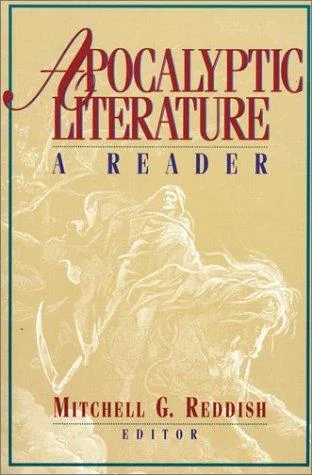
Apocalyptic Literature
 76
76

Apocalyptic Literature
Mitchell G. Reddish’s Apocalyptic Literature provides a much-needed academic lens on a genre often relegated to fringe speculation. The work’s strength lies in its systematic cataloging and analysis of diverse apocalyptic texts, moving beyond simple summaries to explore their internal logic and historical context. Reddish offers a clear breakdown of recurring motifs, such as the symbolic significance of the number 666, demonstrating how these elements functioned within their original settings.
A limitation, however, is the book's dense academic prose, which may present a barrier for readers unfamiliar with theological and classical studies. While the exploration of texts like the Sibylline Oracles is thorough, the author's own interpretive voice can sometimes feel submerged beneath the weight of scholarly exposition. Despite this, the chapter detailing the influence of early Christian apocalypticism on later medieval thought offers particularly illuminating connections. Apocalyptic Literature serves as a solid, if demanding, scholarly resource for understanding a persistent mode of religious expression.
📝 Description
76
Mitchell G. Reddish's 1995 book analyzes apocalyptic literature as a distinct genre.
Published in 1995, Apocalyptic Literature by Mitchell G. Reddish is a scholarly analysis of a specific literary and philosophical genre. The book examines texts that feature cosmic conflicts, divine judgments, and predictions about the world's end, distinguishing itself from a mere collection of prophecies. Instead, Reddish focuses on the literary and theological structures these visions employ.
The work is suited for those with a serious interest in religious history, comparative literature, and the development of eschatological thought. Students of theology, philosophy, and cultural studies will find it useful for understanding the origins and progression of apocalyptic ideas. The book also speaks to readers interested in how societal anxieties and hopes find expression in literature.
Reddish's study situates apocalyptic literature within a tradition stretching back to ancient Near Eastern cultures. It addresses the late 20th century's heightened academic attention to early Christian and Jewish writings and their cultural impact. This period saw significant work on texts like the Book of Daniel and Revelation, along with Gnostic and Manichaean works.
Apocalyptic literature, a genre Reddish analyzes, frequently engages with dualistic worldviews and visions of divine intervention. These texts often arise from periods of crisis, offering a framework for understanding cosmic order and ultimate justice. While not exclusively Gnostic, many apocalyptic texts share thematic and symbolic resonances with Gnostic traditions, such as the concept of a hidden divine plan and a final cosmic resolution. Reddish's work provides a scholarly lens through which to view these powerful narratives and their place within broader religious and philosophical currents.
💡 Why Read This Book?
• Gain a structured understanding of the literary and theological underpinnings of apocalyptic texts, moving beyond sensationalism to appreciate their historical development, as detailed in the analysis of the Book of Daniel. • Learn to identify recurring symbolic language, such as the significance of angelic figures or prophetic beasts, and how these symbols functioned within specific historical moments like the 1st century CE. • Understand the genre's evolution and its relationship to societal anxieties and hopes, as explored through comparative analysis of early Christian and Jewish apocalyptic traditions.
⭐ Reader Reviews
Honest opinions from readers who have explored this book.
❓ Frequently Asked Questions
What is the primary focus of Mitchell G. Reddish's Apocalyptic Literature?
The book focuses on the literary and theological analysis of texts that describe visions of the end of the world, divine judgment, and cosmic renewal, rather than presenting prophetic predictions.
When was Apocalyptic Literature first published?
Apocalyptic Literature by Mitchell G. Reddish was first published in 1995.
Which historical periods or traditions does the book examine?
The book examines traditions spanning from ancient Near Eastern influences through early Christian and Jewish apocalyptic writings, with implications for later medieval thought.
Does the book interpret current events through an apocalyptic lens?
No, the book is a scholarly examination of historical apocalyptic literature and its development, not a contemporary prophetic interpretation.
Who would benefit most from reading Apocalyptic Literature?
Students of theology, religious studies, comparative literature, and anyone interested in the historical and literary context of eschatological thought would find this book valuable.
What are some key concepts discussed in the book?
Key concepts include dualism, messianism, the Antichrist figure, and the symbolic language of beasts, numbers, and celestial events used in apocalyptic narratives.
🔮 Key Themes & Symbolism
Eschatological Frameworks
This theme centers on the structured narratives and theological underpinnings that define apocalyptic literature. Reddish's work dissects how authors constructed visions of the end times, often employing dualistic worldviews and messianic expectations. The book examines the internal consistency and rhetorical strategies used to convey a sense of divine revelation, exploring how concepts of cosmic conflict and final judgment were articulated in texts from antiquity and the early Common Era. It highlights the genre's function in providing order and meaning during periods of social upheaval.
Symbolic Language and Numerology
A significant aspect of apocalyptic texts is their rich symbolic vocabulary. The book investigates the recurring motifs such as beasts with multiple heads, specific numerical patterns (like 666), and celestial phenomena. Reddish explains how these symbols functioned not merely as decorative elements but as carriers of complex theological and political messages, often coded to convey hidden meanings to initiates. The interpretation of these symbols is crucial for understanding the genre's appeal and its esoteric dimensions.
Historical and Social Influences
Apocalyptic Literature examines how the socio-political and religious environments of the time shaped the creation and reception of these visionary texts. Reddish explores the anxieties, oppressions, and hopes that fueled the writing of apocalyptic narratives, particularly within Jewish and early Christian communities. The work connects textual content to historical events, demonstrating how the genre served as a vehicle for critique, resistance, and the articulation of future salvation or divine retribution during periods of crisis.
The Figure of the Antichrist
The concept of an Antichrist or opposing force is a recurring element in many apocalyptic traditions. This theme examines the development and function of such figures within the genre. Reddish analyzes how these antagonists represent forces of evil, chaos, or imperial oppression, serving as foils to divine will and the promised messianic deliverance. Understanding the Antichrist figure is key to grasping the Manichaean-like dualism often present in these texts and their portrayal of ultimate cosmic struggle.
💬 Memorable Quotes
Direct passages from the work, attributed to the author.
“The characteristic feature of apocalyptic literature is its claim to reveal divine secrets about the end of history.”
— This statement underscores the genre's fundamental purpose: to unveil hidden knowledge concerning the ultimate fate of the world, presented as direct divine communication.
“Symbolic numbers and beasts often served as coded references to political powers or historical events.”
— This highlights how apocalyptic writers utilized allegorical language and numerology to critique contemporary rulers or empires without explicit condemnation, embedding political commentary within religious prophecy.
“Dualism, the stark division between good and evil, permeates many apocalyptic visions.”
— This interpretation points to a core philosophical and theological structure within the genre, where the world is often seen as a battleground between divine forces and their malevolent opposites.
“Apocalyptic texts frequently promise a radical transformation of the present order.”
— This emphasizes the forward-looking nature of the genre, offering hope for a future redemption or a divine overthrow of existing corrupt systems, providing solace and motivation to believers.
“The genre's emergence is often linked to periods of crisis and persecution.”
— This interpretation connects the literary production of apocalyptic visions to specific historical circumstances, suggesting that these texts arose as responses to societal pressures and existential threats.
🌙 Esoteric Significance
Tradition
Apocalyptic literature draws heavily from prophetic traditions within Judaism and early Christianity, often incorporating Gnostic elements of hidden knowledge and cosmic dualism. It functions as a bridge between exoteric religious pronouncements and esoteric systems that seek to reveal the hidden mechanics of divine will and the universe's ultimate trajectory. Reddish's work contextualizes this genre within a lineage that predates and informs later mystical and occult traditions by providing a framework for understanding divine intervention in history.
Symbolism
Key symbols analyzed include the four horsemen of the Apocalypse, representing conquest, war, famine, and death, which embody the forces of chaos preceding divine judgment. The figure of the Beast, often a representation of oppressive political or imperial power, symbolizes the earthly opposition to divine order. The number 666, famously associated with the Beast, is explored for its complex numerological and symbolic meanings within the context of ancient Hebrew gematria and its denotation of imperfection or evil.
Modern Relevance
Contemporary esoteric thought, particularly within certain Christian mystical circles and some fringe New Age movements, continues to engage with apocalyptic narratives. Thinkers and practitioners interested in understanding cosmic cycles, divine intervention in history, and the symbolic language of prophecy often reference these ancient texts. Reddish's scholarly approach provides a critical foundation for those seeking to understand the historical and literary roots of these enduring themes in modern esoteric practices and belief systems.
👥 Who Should Read This Book
• Students of Comparative Religion and Theology: To gain a structured, academic understanding of eschatological texts and their historical development, moving beyond simplistic interpretations. • Scholars of Ancient Literature: To analyze the narrative structures, symbolic language, and rhetorical strategies employed in a distinct and influential literary genre. • Readers interested in the History of Ideas: To explore how visions of the end times have been shaped by and responded to societal anxieties and philosophical currents across centuries.
📜 Historical Context
Published in 1995, Mitchell G. Reddish's Apocalyptic Literature emerged during a period of significant scholarly engagement with ancient religious texts. The late 20th century saw a resurgence of interest in early Jewish and Christian eschatology, building upon foundational work from scholars like R.H. Charles in the early 20th century. Reddish's study navigated a landscape populated by comparative analyses of texts such as the Book of Revelation and the Dead Sea Scrolls, alongside explorations of Gnostic traditions. This era also witnessed increasing attention to the social and political functions of religious literature. While not directly censored, the academic study of apocalypticism often stood in contrast to popular interpretations, requiring scholars to carefully delineate between historical analysis and speculative prophecy. Reddish's work contributes to this scholarly discourse by systematically categorizing and analyzing the genre's evolution.
📔 Journal Prompts
The concept of divine revelation in apocalyptic texts.
Symbolic beasts and their historical referents.
Messianic expectations within early Christian writings.
The dualistic worldview presented in the Book of Daniel.
Narrative tension and its role in apocalyptic literature.
🗂️ Glossary
Apocalyptic Literature
A genre of Jewish and early Christian literature characterized by visions, symbolism, and prophecies concerning the end of the world and divine judgment.
Eschatology
The branch of theology concerned with death, judgment, and the final destiny of the soul and of humankind; the study of 'end times'.
Dualism
The philosophical or theological concept that the world is divided into two opposing fundamental principles, typically good and evil.
Messianism
Belief in the coming of a messiah, a divinely appointed figure who will restore justice and peace to the world.
Symbolism
The use of symbols to represent ideas and qualities, particularly in the context of religious or visionary texts.
Antichrist
A figure, often a personification of evil, who opposes Christ and is believed to appear before the end of the world.
Numerology
The study of the mystical relationship between numbers and events, often used in apocalyptic texts for symbolic meaning.
🔮 Readers Also Liked
Browse all →








More by Mitchell G. Reddish
All books →
More Free Occult Philosophy Books
View all →