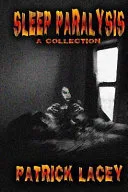
Sleep Paralysis
 82
82

Sleep Paralysis
Patrick Lacey’s *Sleep Paralysis* is an unnerving examination of a common yet deeply unsettling phenomenon. The book distinguishes itself by moving beyond clinical descriptions, instead focusing on the visceral, subjective horror that accompanies these episodes. Lacey skillfully conjures atmospheres of dread, presenting narratives that feel like whispered confessions from the edge of sanity. One particular strength lies in the evocative descriptions of 'basements filled with secrets and bones,' which serve as potent metaphors for the subconscious dredged up during paralysis. However, the book occasionally borders on sensationalism, and a more nuanced exploration of the psychological underpinnings of the hallucinations, beyond their spectral interpretation, would have added further depth. Despite this, *Sleep Paralysis* offers a potent and disquieting glimpse into the shadowed corners of consciousness.
📝 Description
82
Patrick Lacey's 2016 book, *Sleep Paralysis*, examines the terror of waking while unable to move.
Published in 2016, Patrick Lacey's *Sleep Paralysis* investigates the experience of waking within a paralyzed body, a state marked by muscle atonia and vivid hallucinations. The book treats this phenomenon not just as a medical condition but as a threshold to altered perceptions where reality, dreams, and the spectral converge. Lacey presents accounts that suggest these occurrences are not isolated neurological events but intrusions from other planes of existence.
This work is for readers interested in the occult, the paranormal, and the psychological extremes of human consciousness. It appeals to those who question the boundaries of the self and the perceived reality when the body is still but the mind is active. Individuals drawn to tales of hauntings, demonic visitations, and the uncanny will find resonance within its pages.
Emerging in 2016 amidst a renewed interest in paranormal narratives and folk horror, *Sleep Paralysis* connects with older traditions that interpreted such experiences as spiritual or demonic encounters. Unlike purely clinical explanations, Lacey's book embraces the subjective horror and potential metaphysical dimensions. It aligns with historical accounts of incubi, succubi, and night hags, positioning the sleep paralysis state as a porous boundary between this world and others.
💡 Why Read This Book?
• Gain a visceral understanding of the sleep paralysis phenomenon, moving beyond medical explanations to embrace its terrifying subjective reality as presented in the book's narratives. • Explore the symbolic language of nightmares, learning how concepts like 'secrets and bones' might represent deeper psychological states or encounters with the uncanny. • Confront the idea of transitional states as potential gateways, challenging your perception of reality by engaging with the book's exploration of liminal consciousness.
⭐ Reader Reviews
Honest opinions from readers who have explored this book.
❓ Frequently Asked Questions
What is the primary focus of Patrick Lacey's book 'Sleep Paralysis'?
The book primarily focuses on the subjective, often terrifying, experience of sleep paralysis, presenting it as a transitional state accompanied by powerful hallucinations and muscle weakness, blurring the lines between wakefulness and sleep.
When was 'Sleep Paralysis' by Patrick Lacey first published?
Patrick Lacey's 'Sleep Paralysis' was first published on July 5, 2016.
Does the book offer scientific explanations for sleep paralysis?
While acknowledging the phenomenon, the book leans more towards esoteric and psychological interpretations rather than solely clinical or scientific explanations, exploring its uncanny and spectral dimensions.
What kind of narratives can readers expect in 'Sleep Paralysis'?
Readers can expect narratives that are unsettling and linger, often featuring elements of haunting, secret-filled spaces, and entities that seem to visit dreams and nightmares.
Is 'Sleep Paralysis' suitable for readers new to esoteric literature?
Yes, it can serve as an accessible entry point for those interested in the darker, more psychological aspects of esoteric and paranormal experiences, presented through compelling storytelling.
What is the overall tone of the book 'Sleep Paralysis'?
The tone is generally unsettling, mysterious, and slightly ominous, aiming to evoke a sense of dread and wonder about the nature of consciousness and the unseen.
🔮 Key Themes & Symbolism
The Liminal State
The book intensely examines sleep paralysis as a 'transitional state,' a precarious threshold between the sleeping and waking worlds. This is not merely a physiological pause but a psychic space where the veil between realities thins. Lacey explores how this state can unlock profound hallucinations and a sense of presence, suggesting it is a potent gateway for experiences that defy conventional understanding of consciousness. The narratives often highlight the helplessness and terror of being aware yet physically immobilized, emphasizing the vulnerability inherent in this in-between state.
Manifestations of Fear
Fear is a central motif, not just as an emotion but as a tangible force that shapes the experience of sleep paralysis. The book presents hallucinations not as random neurological firings but as potent manifestations, often taking on spectral or monstrous forms. The 'basement filled with secrets and bones' serves as a recurring metaphor for the repressed or hidden aspects of the psyche that surface during these episodes. These manifestations suggest that what we fear in the dark, or what lies buried within us, can indeed visit us when we are most vulnerable.
Haunted Spaces
The concept of 'haunted' extends beyond traditional ghosts to encompass the psychological and existential dread associated with the paralysis state. Apartments 'housing more than just ghosts' implies that these spaces become charged with the residual energy of fear and psychic intrusion. This theme suggests that the paralysis experience can imbue ordinary environments with a sense of the uncanny, making the familiar feel alien and threatening. It blurs the line between internal psychological states and external environmental influences.
The Nature of Reality
By detailing powerful hallucinations and the feeling of external presence during sleep paralysis, the book challenges the reader's assumptions about objective reality. It probes the reliability of our senses and the nature of consciousness when the physical body is incapacitated. The work invites contemplation on whether these experiences are purely internal psychological events or if they represent genuine encounters with non-physical entities or dimensions. This questioning of perceived reality is a core element of its esoteric appeal.
💬 Memorable Quotes
Direct passages from the work, attributed to the author.
“A transitional state between wakefulness and sleep, accompanied by powerful hallucinations and muscle weakness, preventing one from moving.”
— This is the foundational definition provided, framing sleep paralysis as a specific, often terrifying, nexus point where consciousness is active but the body is inert, ripe for profound subjective experiences.
“A website that specializes in suffering.”
— This evocative phrase suggests an almost curated or intentional aspect to the torment experienced during sleep paralysis, hinting at deeper, perhaps external forces or psychological landscapes dedicated to this form of distress.
“A basement filled with secrets and bones.”
— This imagery functions as a potent symbol for the hidden, often disturbing, contents of the subconscious mind that can surface during the vulnerable state of sleep paralysis.
“An apartment housing more than just ghosts.”
— This expands the notion of haunting beyond spectral presences, implying that such spaces can become charged with intense psychological residue or encounter phenomena that are not easily categorized as traditional hauntings.
“These are the things that visit your dreams. And nightmares...”
— This concluding thought emphasizes the intrusive nature of the sleep paralysis experience, suggesting that the phenomena are not merely subjective disturbances but active 'visitors' that invade the personal sanctuary of dreams and nightmares.
🌙 Esoteric Significance
Tradition
This work touches upon elements found in various esoteric traditions that explore the nature of consciousness, the astral plane, and interdimensional encounters. It aligns with Gnostic ideas of hidden realms and the potential for spiritual or psychic experiences during altered states of consciousness. While not explicitly tied to a single lineage like Hermeticism or Kabbalah, it taps into a broader Western esoteric current concerned with subjective realities, the power of the mind, and encounters with non-physical entities.
Symbolism
The 'basement filled with secrets and bones' is a potent symbol for the subconscious mind, representing repressed memories, ancestral traumas, or hidden aspects of the self that can manifest during the vulnerable state of sleep paralysis. 'Ghosts' are recontextualized not just as spirits of the dead but as manifestations of psychic energy, fear, or even entities from other planes that intrude upon our reality, particularly when the physical body is immobilized.
Modern Relevance
Contemporary practices in lucid dreaming, astral projection, and shadow work echo the themes explored in *Sleep Paralysis*. Thinkers and practitioners interested in the psychological impact of altered states, the phenomenology of fear, and the potential for subjective experiences to reveal deeper truths about reality find value in Lacey's work. It speaks to modern anxieties about the fragility of perceived reality and the persistent human fascination with the uncanny and the unknown.
👥 Who Should Read This Book
• Individuals fascinated by the occult and the darker aspects of consciousness, seeking narratives that explore the terrifying liminal spaces between sleep and wakefulness. • Paranormal investigators and enthusiasts interested in subjective accounts of hauntings and entity encounters, particularly those that blur the lines between psychological and supernatural phenomena. • Readers of psychological horror and dark fiction who appreciate atmospheric dread and explorations of fear, the uncanny, and the deeper meaning of the human psyche.
📜 Historical Context
Published in 2016, Patrick Lacey's *Sleep Paralysis* arrived at a time when online forums and subcultures were actively discussing and sharing personal accounts of paranormal experiences, including sleep paralysis. This period saw a resurgence of interest in folk horror and supernatural narratives in popular culture, making the book's focus timely. While contemporary psychology and neurology were increasingly detailing the physiological aspects of sleep paralysis, Lacey's work deliberately sidestepped a purely clinical approach. It instead engaged with older, more esoteric interpretations of such phenomena, reminiscent of medieval demonological treatises that described encounters with incubi and succubi. The book's reception likely found a receptive audience within circles interested in the occult and the uncanny, contrasting with the scientific discourse on sleep disorders prevalent at the time. Authors like H.P. Lovecraft, though writing much earlier, explored similar themes of existential dread and encounters with the unknowable that resonate with the book's atmospheric horror.
📔 Journal Prompts
The 'transitional state' as a doorway to the uncanny.
Manifestations in the 'basement filled with secrets and bones'.
The nature of entities that visit during sleep paralysis.
Interpreting the 'apartment housing more than just ghosts'.
Personal encounters with the 'things that visit your dreams and nightmares'.
🗂️ Glossary
Transitional State
A period of consciousness that exists between distinct states, such as wakefulness and sleep. In the context of sleep paralysis, it refers to the experience of being mentally awake but physically unable to move.
Hallucinations
Perceptions in any of the senses that seem real but are created by the mind. During sleep paralysis, these can be visual, auditory, tactile, or olfactory and often involve the sensation of a presence.
Muscle Weakness (Atonia)
The temporary inability to move muscles, a natural state during REM sleep to prevent acting out dreams. In sleep paralysis, this atonia persists briefly after waking or before falling fully asleep.
Esoteric
Relating to or accessible only by a relatively small number of people with a specialized knowledge or interest. In this context, it refers to hidden knowledge, occult practices, and mystical interpretations.
Liminal
Relating to a transitional or initial stage of a process, or occupying a position at, or on both sides of, a boundary or threshold. Often associated with the uncanny or supernatural.
The Uncanny
A psychological concept describing the feeling of unease or dread evoked by something that is strangely familiar yet also alien or disturbing.
Spectral
Of or like a specter; ghostly or phantomlike. Refers to apparitions or entities perceived during altered states of consciousness.