Art of Alchemy

 62
62

Art of Alchemy

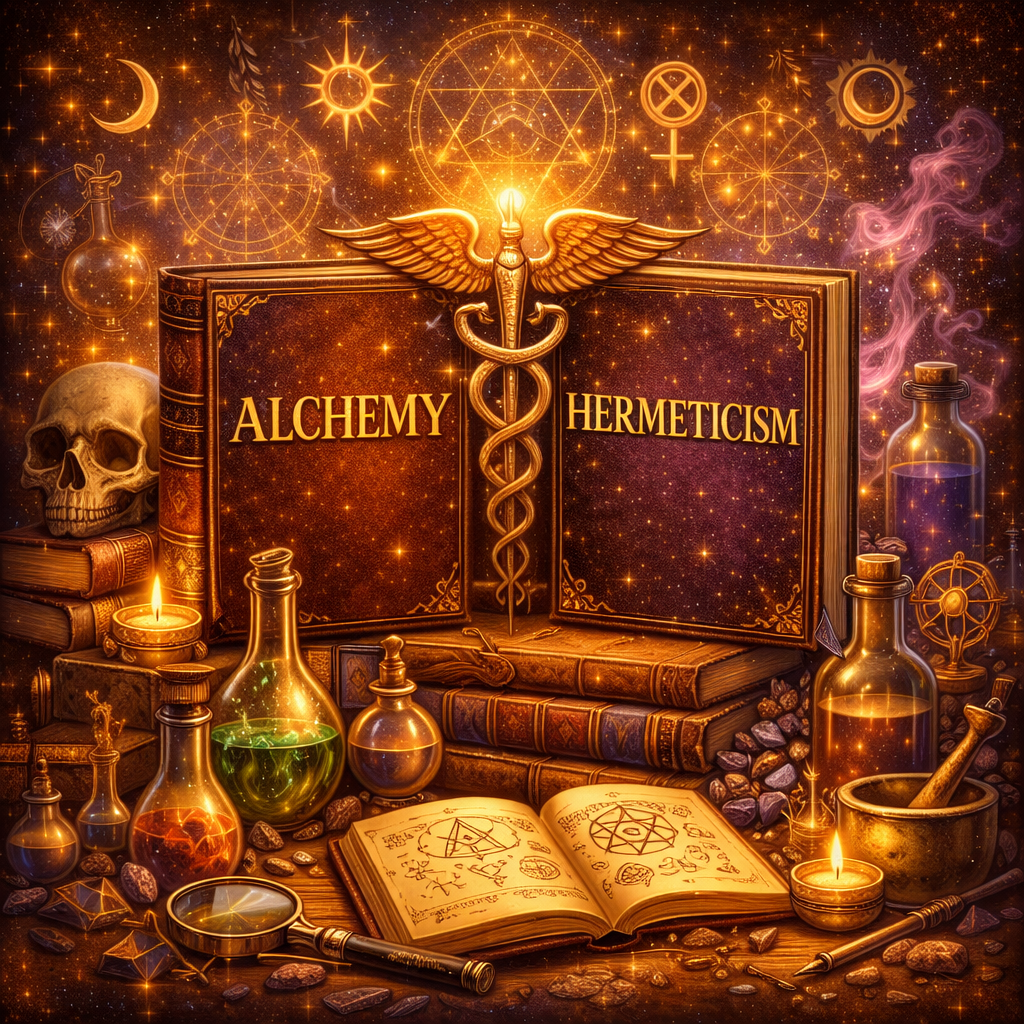

Review by Marcus Thorne (Esoteric Sciences Reviewer) — The Art of Alchemy by Jacopo De Rosa is a masterful work that stands as a beacon in the realm of esoteric literature. De Rosa's deep understanding of alchemical symbolism and its philosophical underpinnings shines through every page, offering readers a unique blend of historical context and practical application. The book's strength lies in its ability to bridge the gap between ancient wisdom and modern seekers, providing insights that are both timeless and relevant. De Rosa's prose is rich and evocative, creating an atmosphere of mystery and intrigue that draws the reader in. This book is a must-read for anyone interested in the occult, hermeticism, and the hidden knowledge of the alchemical arts.
📝 Description
62
Jacopo De Rosa's Art of Alchemy (1900) examines the symbolic language of alchemical transformation.
Jacopo De Rosa's Art of Alchemy, published around 1900, addresses the symbolic and philosophical dimensions of alchemical practice. The book goes beyond simple instruction, aiming to connect alchemical processes with inner development and personal change. De Rosa's approach invites readers to consider the deeper meanings within the operations and theories of alchemy. It is written for those interested in the mystical, occult, and hermetic traditions, who wish to understand the universe and their own consciousness. The text uses descriptive language and detailed symbolism to guide readers toward spiritual insight. This work serves as a valuable text for individuals new to alchemy as well as those with prior experience.
This work situates itself within the Hermetic tradition, which seeks to understand the cosmos through correspondences and divine principles. Alchemy, as a practical and philosophical discipline within Hermeticism, aims at both material transmutation and spiritual purification. De Rosa's text contributes to this lineage by focusing on the symbolic and psychological aspects of the alchemical quest, viewing it not just as a physical process but as a path toward self-knowledge and union with the divine.
💡 Why Read This Book?
Read The Art of Alchemy to gain a deeper understanding of the mystical and esoteric practices of alchemy. Ideal for seekers, scholars, and practitioners of the occult, this book offers profound insights into the symbolism and philosophical significance of alchemical processes. Discover the hidden knowledge that has been passed down through the ages and apply it to your own spiritual journey.
⭐ Reader Reviews
Honest opinions from readers who have explored this book.
❓ Frequently Asked Questions
What is the main focus of The Art of Alchemy?
The main focus is the exploration of alchemical symbolism and its philosophical significance, providing readers with a deeper understanding of mystical and esoteric practices.
Who is the intended audience for this book?
The intended audience includes seekers of spiritual enlightenment, scholars of esoteric literature, and practitioners of the occult and hermetic arts.
What makes this book unique?
The book's unique blend of historical context and practical application, along with its rich and evocative prose, sets it apart in the realm of esoteric literature.
How can this book benefit readers?
Readers can benefit by gaining insights into ancient wisdom and applying it to their own spiritual journeys, enhancing their understanding of alchemy and its relevance to personal transformation.
Is this book suitable for beginners?
Yes, while it is rich in depth, the book is accessible to beginners seeking to explore the mystical and occult, providing a solid foundation for further study.
🔮 Key Themes & Symbolism
Alchemical Symbolism
The Art of Alchemy delves deeply into the detailed symbolism of alchemical practices, exploring the hidden meanings behind various symbols and their relevance to spiritual transformation. De Rosa's work reveals how these symbols can be interpreted and applied to one's own journey, providing a roadmap to inner enlightenment.
Philosophical Significance
This book examines the philosophical underpinnings of alchemy, offering readers a profound understanding of its mystical and esoteric significance. De Rosa's insights into the philosophical aspects of alchemy help readers connect with the deeper truths of the universe and their own inner selves.
Personal Transformation
The Art of Alchemy is not just a historical or theoretical exploration but a practical guide to personal transformation. Through its detailed symbolism and philosophical insights, the book provides readers with the tools they need to begin their own spiritual journey, unlocking the secrets of alchemy and applying them to their lives.
💬 Memorable Quotes
Direct passages from the work, attributed to the author.
“Symbols are the language of the soul.”
— De Rosa highlights the importance of alchemical symbolism in communicating deep spiritual truths and inner wisdom.
“Alchemy is the art of turning lead into gold, both literally and metaphorically.”
— De Rosa's words illustrate the dual nature of alchemy, encompassing both physical and spiritual transformation.
💡 Key Ideas
Editorial paraphrase of the work's core concepts — not direct quotes.
The alchemist's journey is one of transformation and enlightenment.
This quote emphasizes the spiritual and transformative nature of alchemical practices, inviting readers to begin their own journey of self-discovery.
The quest for the philosopher's stone is a metaphor for the pursuit of spiritual perfection.
This quote underscores the philosophical significance of alchemy, viewing it as a path to spiritual enlightenment and self-realization.
The alchemist's laboratory is a sacred space for inner exploration.
This quote emphasizes the spiritual and mystical dimensions of alchemical practices, viewing the laboratory as a place for deep introspection and self-discovery.
🌙 Esoteric Significance
Tradition
The Art of Alchemy belongs to the Hermetic tradition, drawing on ancient wisdom and mystical practices that have been passed down through the ages. This tradition emphasizes the unity of the spiritual and material worlds, seeking to unlock the secrets of the universe through alchemical processes.
Symbolism
Key symbols in this book include the philosopher's stone, the ouroboros, and the primum mobile. These symbols represent the alchemist's quest for spiritual perfection, the eternal cycle of life and death, and the primal force of creation, respectively.
Modern Relevance
The book remains relevant today, as modern practitioners of the occult and hermetic arts continue to explore and apply its teachings. Its insights into alchemical symbolism and philosophical significance offer a timeless guide for spiritual seekers and practitioners.
👥 Who Should Read This Book
Beginners interested in the mystical and occult will find this book an excellent introduction to the world of alchemy. Scholars of esoteric literature will appreciate its depth and historical context. Spiritual seekers will benefit from its insights into personal transformation and self-discovery. Practitioners of the occult and hermetic arts will find it a valuable resource for deepening their understanding and practice of alchemy.
📜 Historical Context
The Art of Alchemy was written during a time when esoteric knowledge was highly valued and sought after. In the era of Jacopo De Rosa, alchemy was not just a scientific pursuit but a mystical and spiritual practice, deeply intertwined with the hermetic and occult traditions. The book's importance lies in its ability to preserve and transmit this ancient wisdom, providing modern readers with a window into the past and a guide for the present. Its influence can be seen in various esoteric and spiritual movements, continuing to inspire seekers and practitioners of the occult arts.
📔 Journal Prompts
How do the symbols in The Art of Alchemy resonate with your own spiritual journey?
What insights have you gained about the philosophical significance of alchemy?
In what ways can you apply the teachings of alchemy to your personal transformation?
How does the historical context of the book enhance your understanding of its themes?
What are the key symbols in the book and how do they relate to your inner exploration?
🗂️ Glossary
Philosopher's Stone
A legendary alchemical substance said to be capable of turning base metals into gold and granting immortality.
Ouroboros
A symbol of a serpent swallowing its own tail, representing the eternal cycle of life and death.
Primum Mobile
The outermost sphere of the universe, representing the primal force of creation and movement.
Alchemical Transformation
The process of turning base materials into something of higher value, both literally and metaphorically.
Hermetic Tradition
A mystical and esoteric tradition that emphasizes the unity of the spiritual and material worlds, seeking to unlock the secrets of the universe.
This book appears in 4 collections
🔮 Readers Also Liked
Browse all →








More by Jacopo De Rosa
All books →
From the “Hermeticism” Collection
View all →







More Free Alchemy & Hermeticism Books
View all →