Angelology
 83
83

Angelology
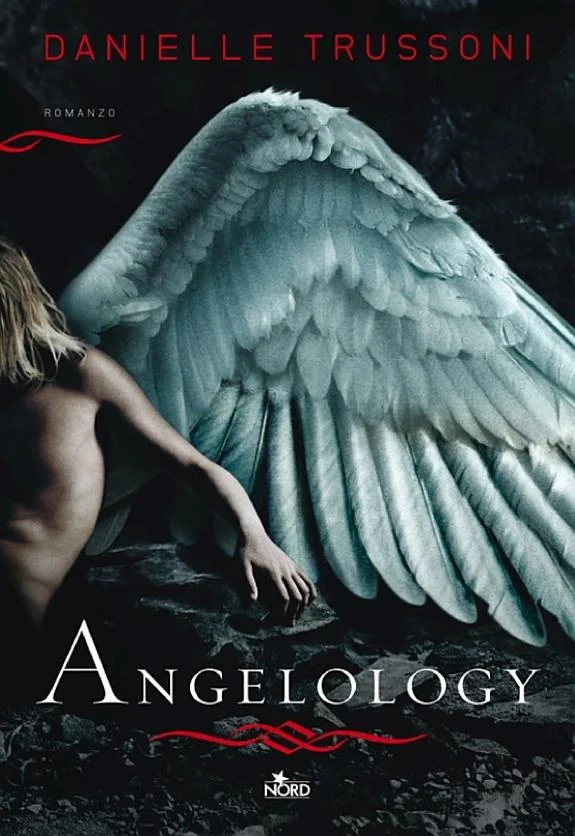
Danielle Trussoni’s Angelology presents a unique premise: a secret war waged by angels and their Nephilim offspring, interwoven with a young woman’s discovery of her own lineage. The novel’s strength lies in its ambitious scope, attempting to synthesize obscure theological texts with a modern thriller structure. Trussoni effectively evokes a sense of ancient mystery, particularly in the early sections detailing Evangeline’s sheltered life and her initial encounter with forbidden lore. However, the pacing falters in the latter half, becoming somewhat convoluted as it juggles its numerous supernatural factions and intricate plot points. The depiction of the angel Veriel, a central figure, teeters between compelling and overly dramatic. Ultimately, Angelology offers an intriguing, if imperfect, exploration of celestial conflict and its earthly implications.
📝 Description
83
Danielle Trussoni's 2010 novel, Angelology, imagines a secret war fought by angels on Earth.
Evangeline, a young woman raised in a convent, discovers she is connected to an ancient conflict. She finds herself drawn into a hidden world where angels, both fallen and divine, are locked in a struggle that impacts humanity. This war is not merely celestial; it involves earthly descendants and forbidden relationships that threaten the established order. The narrative weaves together historical accounts and mythological traditions concerning angelic beings, presenting a unique take on their presence among us.
The story follows Evangeline as she uncovers secrets about these celestial factions and their long-standing battles. She learns about pacts and betrayals that have shaped human history from the shadows. Her own identity becomes entangled with this cosmic drama, forcing her to confront truths about good, evil, and the nature of belief itself. The novel uses a framework of religious lore and occult speculation to build its fictional universe.
This novel draws on a rich history of esoteric thought concerning angels, from early Christian apocrypha to later occult traditions. Trussoni engages with centuries of speculation about angelic nature, divine hierarchies, and their interactions with the human world. The concept of fallen angels and their offspring, the Nephilim, is a common thread in various mystical and Gnostic texts. The book situates these ancient ideas within a contemporary narrative, suggesting a hidden reality where these forces continue to influence human affairs, echoing themes found in grimoires and theological debates on angelic influence.
💡 Why Read This Book?
• Gain insight into the lore of Nephilim, the offspring of fallen angels and humans, as depicted in Trussoni's narrative, offering a unique perspective on biblical interpretations. • Understand the historical context of angelic studies, as the book is informed by centuries of theological and occult speculation on celestial beings. • Explore the thematic tension between divine order and forbidden knowledge, examining how Evangeline's journey challenges conventional understandings of good and evil.
⭐ Reader Reviews
Honest opinions from readers who have explored this book.
❓ Frequently Asked Questions
What is the main conflict in Danielle Trussoni's Angelology?
The main conflict revolves around a hidden war between angels and their Nephilim descendants. This celestial battle has profound implications for humanity and is revealed to a young woman named Evangeline.
Who is Evangeline in Angelology?
Evangeline is the protagonist who, after being raised in a convent, discovers her connection to the angelic realm and becomes entangled in the secret war between angels and Nephilim.
What are Nephilim according to Angelology?
In Angelology, Nephilim are depicted as the offspring of fallen angels and human women, playing a significant role in the ongoing supernatural conflict.
When was Angelology first published?
Angelology by Danielle Trussoni was first published in May 2011.
What kind of genre does Angelology fall into?
Angelology is primarily a supernatural thriller and urban fantasy novel, incorporating elements of religious mythology and historical speculation.
Does Angelology draw on specific religious texts?
Yes, the novel draws inspiration from various theological and apocryphal texts concerning angels, their hierarchies, and their interactions with humanity throughout history.
🔮 Key Themes & Symbolism
The Angelic Hierarchy
The novel posits a complex, often antagonistic, hierarchy of angels, diverging from purely benevolent interpretations. It explores fallen angels and their impact on the mortal world, drawing parallels to Gnostic ideas of a flawed demiurge or rebellious spiritual entities. Trussoni presents these beings not just as divine messengers but as powerful, flawed entities with their own agendas and conflicts, impacting human history in clandestine ways.
Forbidden Knowledge and Lineage
Evangeline's discovery of her own lineage and the secrets of the angelic world represents the pursuit of forbidden knowledge. This theme appeals to initiatory traditions that guard esoteric truths. The narrative suggests that certain knowledge is suppressed for a reason, and its unveiling can be both dangerous and liberating, forcing characters to confront uncomfortable realities about their origins and purpose.
The Nephilim Question
Central to the plot are the Nephilim, the offspring of angels and humans. This concept, rooted in biblical apocrypha, is explored as a source of conflict and a bridge between the divine and mortal realms. The novel uses the Nephilim to question the strict boundaries of creation and introduce hybrid beings whose existence challenges established cosmic order and religious dogma.
Cosmic Conflict in Modern Times
Angelology frames ancient celestial battles as ongoing, hidden conflicts that manifest in the modern world. This reflects a perennial occult philosophy where spiritual warfare is a constant reality operating beneath the surface of everyday life. The novel suggests that humanity is caught in the crossfire of powers far greater than itself, often unknowingly.
💬 Memorable Quotes
Direct passages from the work, attributed to the author.
“She discovered letters detailing an ancient pact between humans and angels.”
— This illustrates the important moment of revelation, where Evangeline uncovers a hidden history connecting humanity directly to celestial beings, implying a complex, long-standing relationship fraught with potential conflict.
“Evangeline's bloodline held the key to understanding the Nephilim.”
— This suggests a theme of inherited destiny and the importance of ancestry in unlocking supernatural mysteries, positioning Evangeline as a crucial figure in resolving the conflict.
“Forbidden love and ancient rivalries fueled the celestial war.”
— This points to the human-like motivations—passion and vengeance—driving even divine or semi-divine beings, blurring the lines between good and evil and adding emotional complexity to the cosmic struggle.
💡 Key Ideas
Editorial paraphrase of the work's core concepts — not direct quotes.
The convent library held secrets beyond Evangeline's wildest imaginings.
This paraphrased concept highlights the less-obvious layers of knowledge accessible even in seemingly tranquil environments, suggesting that profound, even dangerous, truths can be found in unexpected places.
The war between celestial factions had spilled onto Earth.
This paraphrased concept emphasizes the core premise: that the struggles of supernatural beings are not confined to ethereal realms but actively impact the human world, creating a hidden, ongoing conflict.
🌙 Esoteric Significance
Tradition
Angelology draws from a confluence of esoteric traditions, most notably Gnosticism and certain branches of Kabbalah, which often explore complex angelic and demonic hierarchies and the concept of fallen spiritual beings. It departs from mainstream religious dogma by presenting angels as flawed, powerful entities capable of rebellion and even procreation with humans, echoing Gnostic ideas of an imperfect creation. The narrative positions itself within occult traditions that look at hidden histories and cosmic battles.
Symbolism
The primary symbolism revolves around the Nephilim, representing the dangerous intersection of the divine and mortal, the sacred and the profane, often seen as an aberration in creation. Angels themselves symbolize divine power, but in Trussoni's work, they also represent temptation, rebellion, and the potential for corruption. The convent library, a place of supposed sanctity and learning, becomes a symbol of hidden, forbidden knowledge that unravels Evangeline’s perceived reality.
Modern Relevance
Contemporary occult practitioners and speculative fiction authors continue to explore the complex portrayal of angelic beings found in works like Angelology. Its nuanced depiction of celestial conflict and the ambiguity of good and evil appeals to modern interpretations of spirituality that question traditional religious frameworks. Thinkers interested in comparative mythology and the evolution of religious narratives find value in its synthesis of ancient lore with contemporary storytelling techniques.
👥 Who Should Read This Book
• Readers interested in comparative mythology and religious studies who wish to explore fictionalized interpretations of angelic lore and apocryphal texts. • Fans of supernatural thrillers and urban fantasy seeking narratives with a strong theological underpinning and complex, hidden worlds. • Individuals drawn to explorations of forbidden knowledge, hidden histories, and the perennial struggle between light and darkness, framed through a combination of history and fantasy.
📜 Historical Context
Published in 2011, Danielle Trussoni's Angelology arrived during a period of renewed popular interest in angels, often framed through New Age spirituality or Christian apologetics. However, Trussoni’s approach grounds the narrative in older, more esoteric traditions, referencing apocryphal texts and medieval demonology, which were subjects of scholarly debate in early modern Europe. The novel taps into a lineage of speculative fiction that reimagines biblical narratives, a tradition that includes authors like C.S. Lewis. Unlike purely theological works, Angelology engages with the darker, more Gnostic-influenced interpretations of angelic beings, positioning them as complex entities rather than simple divine messengers. Its reception saw it lauded for its imaginative scope, though some critics noted its divergence from conventional religious portrayals, placing it within a broader discourse on myth-making and the reinterpretation of sacred lore.
📔 Journal Prompts
Evangeline’s discovery within the convent library.
The nature of the Nephilim as hybrid beings.
The hidden war between celestial factions impacting Earth.
Veriel’s role and motivations in the angelic conflict.
The concept of forbidden knowledge related to angelic lore.
🗂️ Glossary
Nephilim
In Angelology, beings born from the union of fallen angels and human women. They are depicted as powerful and often central figures in the ongoing cosmic conflict.
Fallen Angels
Celestial beings who rebelled against God and were cast out of heaven. In the novel, they are portrayed as active participants in earthly affairs, often with malevolent intent.
Angelology
The study of angels. In the context of the book, it refers to the hidden lore and secret history concerning angels and their interactions with humanity.
Apocryphal Texts
Religious writings that are not part of a canonical religious text. The novel draws inspiration from these texts for its portrayal of angels and their history.
Gnostic
Relating to Gnosticism, a religious movement that emphasized esoteric knowledge for salvation. The novel incorporates themes of hidden knowledge and flawed divine beings.
Veriel
A significant angelic character in the novel, whose lineage and motivations are central to the unfolding plot and the conflict between celestial factions.
St. Rose Convent
The secluded institution where the protagonist, Evangeline, is raised, serving as the initial setting for her discovery of ancient angelic secrets.
This book appears in 1 collection
🔮 Readers Also Liked
Browse all →









From the “Angelology” Collection
View all →


More Free Occult Philosophy Books
View all →