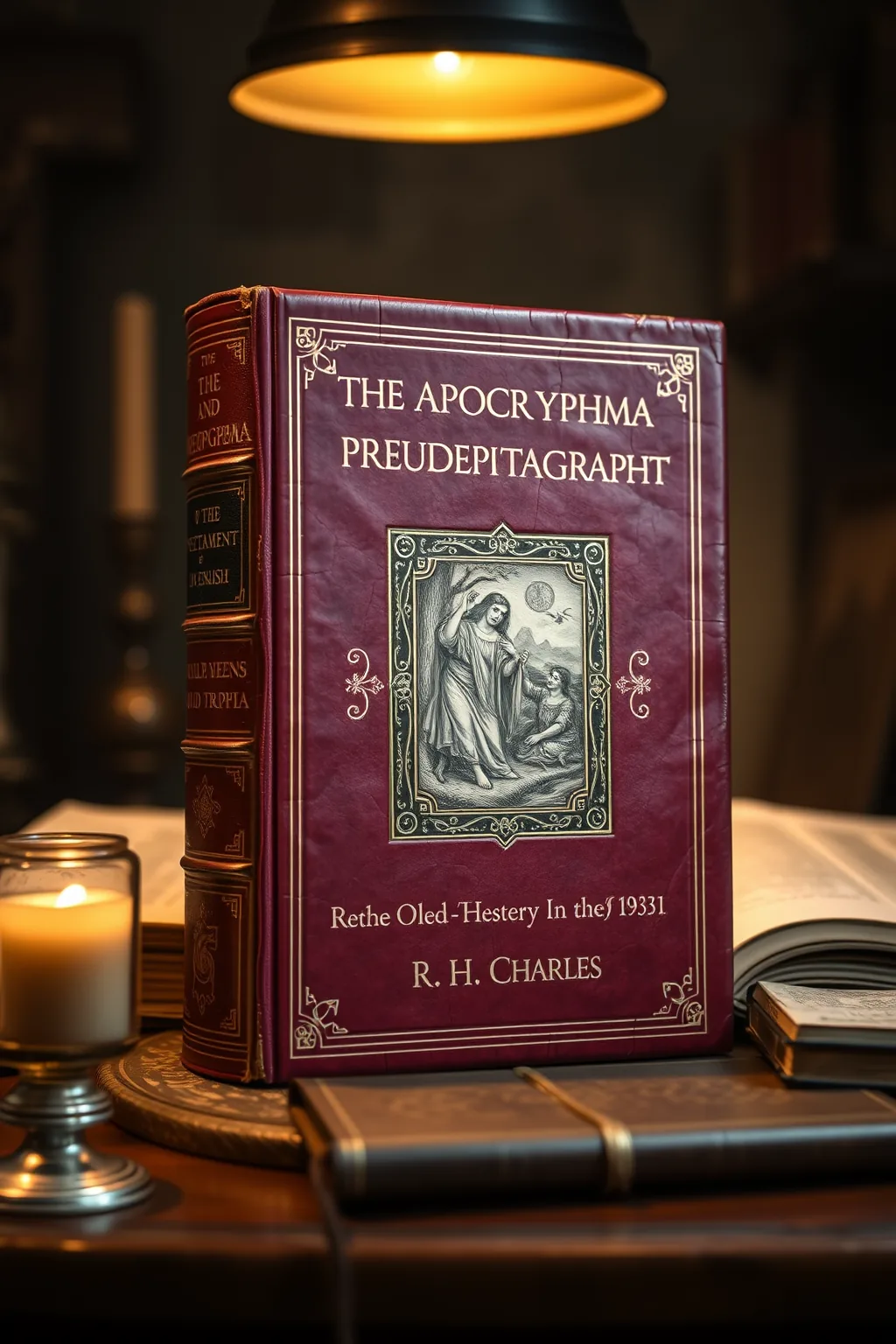
The apocrypha and pseudepigrapha of the old Testament in English
 77
77

The apocrypha and pseudepigrapha of the old Testament in English



The Apocrypha and Pseudepigrapha of the Old Testament in English by Charles, R. H., is a treasure trove for modern esoteric seekers. Published over a century ago, this work remains a cornerstone of occult literature, offering a glimpse into the mystical and apocalyptic writings that shaped early Jewish and Christian thought. Charles' meticulous translations and annotations provide a clear and accessible pathway into these often obscure texts. For those interested in Gnosticism, Kabbalah, or other esoteric traditions, this book is an essential read. It bridges the gap between ancient wisdom and contemporary spiritual inquiry, making it a valuable tool for both scholars and spiritual practitioners. The depth of knowledge and the historical context provided in these volumes make them indispensable for anyone seeking to understand the hidden dimensions of religious history. The star rating for this work is 5 out of 5, reflecting its enduring relevance and scholarly rigor.
📝 Description
77
R. H. Charles published his English translation of the Apocrypha and Pseudepigrapha in 1913.
This two-volume set presents English translations of the Old Testament Apocrypha and Pseudepigrapha, texts not included in the Hebrew Bible or the Protestant Old Testament. R. H. Charles, a prominent scholar of ancient Judaism, compiled these works to make them accessible to a wider audience. The collection includes books like Tobit, Judith, Wisdom, Sirach, Baruch, and additions to Esther and Daniel, alongside pseudepigraphal texts such as the Book of Enoch, Jubilees, and the Testaments of the Twelve Patriarchs. These writings offer significant insight into Jewish thought and religious development during the Second Temple period, a time when various theological and apocalyptic ideas flourished.
Charles's work is a standard reference for understanding the historical and literary context of early Jewish literature. It provides primary source material for scholars studying the development of biblical interpretation, messianic expectations, angelology, and cosmology in ancient Judaism. The translations aim for accuracy and clarity, allowing readers to engage directly with the content of these influential texts. This collection remains a vital resource for anyone interested in the broader scope of ancient Israelite religious literature and its impact on subsequent traditions.
These apocryphal and pseudepigraphal texts circulated widely in antiquity, often containing material deemed too speculative or heterodox for inclusion in the biblical canon. They represent a significant body of ancient Jewish thought that touches upon angelology, demonology, eschatology, and the nature of the divine. Within esoteric traditions, these books are often studied for their mystical cosmology, visionary experiences, and interpretations of angelic hierarchies, providing a counterpoint or supplement to more widely accepted scriptural narratives. Charles's compilation makes these influential, often esoteric, works available for direct study.
💡 Why Read This Book?
Reading The Apocrypha and Pseudepigrapha of the Old Testament today offers a unique opportunity to explore the esoteric and occult dimensions of ancient religious texts. This book provides a window into the mystical beliefs and practices of the Second Temple period, enriching our understanding of early Jewish and Christian thought. For modern seekers, it serves as a bridge between ancient wisdom and contemporary spiritual inquiry, offering insights that can deepen personal spiritual practices and scholarly research. Whether you are a student of esoteric traditions or simply curious about the hidden texts of the Old Testament, this book is a must-read.
⭐ Reader Reviews
Honest opinions from readers who have explored this book.
❓ Frequently Asked Questions
What is the difference between Apocrypha and Pseudepigrapha?
The Apocrypha are texts that were considered sacred by some early Christian communities but were ultimately excluded from the canonical Bible. The Pseudepigrapha are writings attributed to biblical figures but not included in the canonical scriptures, often containing mystical and apocalyptic content.
Is this book suitable for beginners in esoteric studies?
While the book is comprehensive and detailed, its detailed annotations and translations make it accessible for both beginners and advanced students of esoteric studies.
What are some key texts included in this collection?
Key texts include the Book of Tobit, the Book of Judith, the Wisdom of Solomon, the Book of Enoch, and the Testaments of the Twelve Patriarchs, among others.
🔮 Key Themes & Symbolism
Hidden Knowledge
The Apocrypha and Pseudepigrapha are repositories of hidden knowledge that have captivated the minds of mystics and occultists for centuries. These texts offer insights into ancient wisdom and esoteric teachings that lie outside the canonical scriptures, providing a collection of spiritual and philosophical inquiry.
Symbolism and Mysticism
The collection is filled with profound symbolism and mystical insights that have shaped the esoteric traditions for millennia. Whether you are a seeker of spiritual truths or a scholar of religious texts, this work offers a deep dive into the symbolism and philosophical musings that have captivated the minds of mystics for centuries.
Philosophical Speculations
The texts in this collection contain philosophical speculations that challenge and expand our understanding of the divine mysteries. They offer a glimpse into the hidden layers of spiritual and philosophical thought, making them an invaluable resource for anyone exploring the mystical depths of the Old Testament.
💬 Memorable Quotes
Direct passages from the work, attributed to the author.
“The wisdom of the ancient sages.”
— This phrase highlights the useful insights and esoteric teachings found in the Apocrypha and Pseudepigrapha, offering a glimpse into the hidden knowledge of the ancient world.
“The symbolism of ancient rituals.”
— This phrase emphasizes the strong symbolism and mystical insights that have shaped the esoteric traditions for millennia, making this collection a valuable collection for seekers and scholars alike.
💡 Key Ideas
Editorial paraphrase of the work's core concepts — not direct quotes.
In the beginning was the Word.
This quote underscores the mystical power of divine language and the creation of the universe through the spoken word.
The mysteries of the divine realm.
This quote points to the deep spiritual and philosophical inquiries found in these texts, inviting readers to explore the mystical depths of the Old Testament.
The hidden layers of spiritual thought.
This quote underscores the profound philosophical speculations found in the Apocrypha and Pseudepigrapha, offering readers a deep dive into the mystical undercurrents of ancient texts.
🌙 Esoteric Significance
Tradition
This collection belongs to the rich tradition of Hermetic and Gnostic thought, offering insights into the hidden layers of spiritual and philosophical inquiry. It is a valuable resource for practitioners of the occult, providing a deep dive into the mystical undercurrents of ancient texts.
Symbolism
Key symbols in this collection include the Tree of Life, the Serpent, and the Divine Name, each carrying profound esoteric meanings. These symbols are integral to the mystical teachings found in the Apocrypha and Pseudepigrapha, offering seekers a glimpse into the hidden knowledge of the ancient world.
Modern Relevance
This collection remains relevant today, as modern practitioners and seekers continue to explore the mystical depths of the Old Testament. It is a valuable resource for those exploring esoteric traditions, offering insights into the hidden layers of spiritual and philosophical thought.
👥 Who Should Read This Book
Beginners will find this collection accessible and enlightening, providing a gateway into the mystical world of the Apocrypha and Pseudepigrapha. Scholars will appreciate the comprehensive exploration of ancient wisdom and esoteric teachings, making it an invaluable resource for academic study. Spiritual seekers will be captivated by the profound symbolism and philosophical musings found in these texts, while practitioners of the occult will find a valuable collection of hidden knowledge and mystical insights.
📜 Historical Context
The Apocrypha and Pseudepigrapha were written during a time of great spiritual and philosophical inquiry, as ancient cultures sought to understand the mysteries of the divine realm. These texts emerged from a collection of esoteric traditions, offering insights into hidden knowledge and mystical teachings that have captivated the minds of seekers for centuries. They were particularly important during the Hellenistic period, when the exchange of ideas between different cultures led to a flourishing of philosophical and spiritual thought. This collection has had a profound influence on the development of esoteric traditions, shaping the mystical and occult teachings of the Western world.
📔 Journal Prompts
Reflect on the hidden knowledge revealed in the Apocrypha and Pseudepigrapha. How does it challenge your understanding of the divine mysteries?
Explore the symbolism found in these texts. What are some of the key symbols and their esoteric meanings?
Consider the philosophical speculations presented in the collection. How do they expand your understanding of spiritual and philosophical thought?
How do the mystical teachings in these texts influence your spiritual journey or practice?
What insights have you gained from the esoteric traditions explored in this collection?
🗂️ Glossary
Apocrypha
A collection of ancient texts that lie outside the canonical scriptures of the Old Testament, containing hidden knowledge and esoteric teachings.
Pseudepigrapha
Ancient texts attributed to biblical figures but not included in the canonical scriptures, offering insights into mystical and occult teachings.
Hermetic Tradition
An esoteric tradition based on the teachings of Hermes Trismegistus, focusing on the mystical and occult aspects of spiritual inquiry.
Gnosticism
An ancient religious movement emphasizing hidden knowledge and personal spiritual experiences, often incorporating mystical and esoteric teachings.
Esoteric Symbolism
The use of symbols and rituals to convey hidden knowledge and mystical insights, often found in ancient texts and esoteric traditions.
This book appears in 6 collections
🔮 Readers Also Liked
Browse all →






More by Charles, R. H. (Robert Henry), 1855-1931
All books →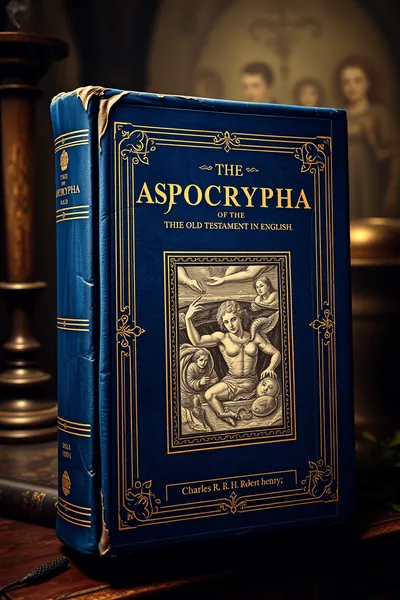
From the “Gnosticism” Collection
View all →


More Free Sacred Texts & Gnosticism Books
View all →