Alef, mem, tau
 80
80

Alef, mem, tau
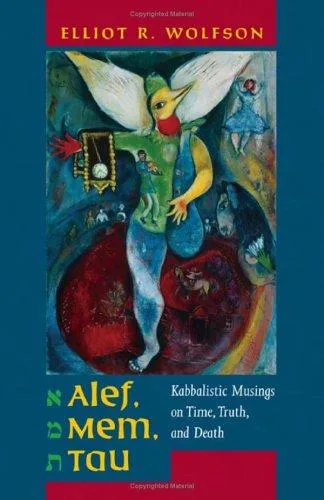
Elliot R. Wolfson's *Alef, Mem, Tau* offers a dense, scholarly exploration into the symbolic grammar of Jewish mysticism. The book excels in its detailed exegesis of Hebrew letters as potent, active forces in creation and divine revelation. Wolfson's meticulous tracing of concepts, particularly the theological weight given to the letters Alef, Mem, and Tau, reveals the profound philosophical architecture underlying Kabbalistic discourse. A particular strength lies in his ability to connect these linguistic speculations to broader currents in medieval Jewish thought, demonstrating their systematic nature. However, the work’s academic density, while a virtue for specialists, presents a significant barrier to entry for those not already immersed in the field. The prose, while precise, can be demanding, requiring close attention to navigate its intricate arguments. The exploration of the *Shekhinah*'s linguistic embodiment is particularly illuminating, offering a novel perspective on divine immanence. Ultimately, *Alef, Mem, Tau* stands as a significant, albeit challenging, contribution to the scholarly understanding of Jewish mystical linguistics.
📝 Description
80
Elliot R. Wolfson's 2006 work examines the symbolic power of Hebrew letters in Kabbalah.
Alef, Mem, Tau analyzes the conceptual and symbolic intersections within Jewish mysticism, focusing on the transformative power of letters and divine names. Elliot R. Wolfson, a recognized scholar of Jewish esoteric traditions, provides a rigorous analysis that goes beyond surface interpretations. The book engages with complex theological ideas, positing the structure of Hebrew language as a blueprint for creation and divine manifestation. It is not an introductory text but a deep examination of the philosophical foundations of Kabbalistic thought, drawing heavily on primary sources and scholarly interpretation.
This work is intended for advanced students, academics, and serious practitioners of Kabbalah and Jewish mysticism who have a working knowledge of Hebrew and foundational Kabbalistic texts. It will appeal to those interested in the philosophical theology of medieval Judaism, the history of esoteric thought, and the linguistic aspects of religious experience. Readers seeking to understand the relationship between divine utterance, symbolic representation, and the structure of reality will find substantial material.
Published in 2006, Alef, Mem, Tau enters the academic conversation on Kabbalah, a tradition of Jewish mysticism with roots in medieval Spain. Wolfson's research builds on the work of scholars like Gershom Scholem, who established the academic study of Kabbalah. The book situates itself within discussions about the philosophical and linguistic frameworks of Kabbalistic theory, particularly its connections to Neoplatonism and Gnosticism. It offers a detailed look at how the Hebrew alphabet and divine names are understood as fundamental to cosmic structure and divine revelation within this tradition.
💡 Why Read This Book?
• Gain a nuanced understanding of the Hebrew alphabet's role in Kabbalistic cosmology, moving beyond simple numerology to grasp its function as a divine blueprint, as detailed in the analysis of Alef, Mem, Tau. • Explore the philosophical underpinnings of divine names and their perceived power to shape reality, a concept central to Wolfson's examination of medieval Jewish esoteric thought. • Appreciate the intricate relationship between language, divinity, and creation as presented through the lens of Jewish mysticism, offering unique insights into the nature of the *Shekhinah*.
⭐ Reader Reviews
Honest opinions from readers who have explored this book.
❓ Frequently Asked Questions
What is the primary focus of Elliot R. Wolfson's 'Alef, Mem, Tau'?
The book focuses on the symbolic and conceptual significance of Hebrew letters, particularly Alef, Mem, and Tau, within Jewish mysticism. It explores their role in creation, divine names, and the structure of reality according to Kabbalistic thought.
Is 'Alef, Mem, Tau' suitable for beginners in Kabbalah?
No, it is written for advanced students and scholars. It assumes a foundational knowledge of Hebrew, Kabbalistic concepts, and primary texts, engaging in complex philosophical and linguistic analysis.
What historical period does the book primarily address?
While drawing on a long tradition, the book critically engages with the development of Kabbalistic thought, particularly its medieval philosophical and linguistic dimensions, placing Wolfson's analysis within scholarly debates initiated in the 20th century.
What are some key esoteric concepts discussed in 'Alef, Mem, Tau'?
Key concepts include the creative power of Hebrew letters, the theological implications of divine names, the nature of the *Shekhinah*, and the linguistic basis of cosmic order as understood in Kabbalah.
How does Wolfson's work relate to earlier scholarship on Kabbalah?
Wolfson builds upon and engages with foundational scholarship, notably the work of Gershom Scholem, while offering his own rigorous analysis of the philosophical and linguistic dimensions of Jewish mysticism.
What is the significance of the letters Alef, Mem, and Tau in the book?
These letters are presented not just as phonetic symbols but as potent carriers of divine energy and meaning, fundamental to understanding the structure of existence and the divine presence within Wolfson's analysis.
🔮 Key Themes & Symbolism
Linguistic Theology
The core of Alef, Mem, Tau lies in its exploration of language as a divine technology. Wolfson examines how Hebrew letters and divine names are not merely communicative tools but active agents in creation and revelation. The book posits that the structure of the Hebrew alphabet mirrors the divine order, and that understanding this linguistic architecture is key to comprehending esoteric cosmology. This perspective challenges purely semantic interpretations of religious texts, suggesting a deeper, ontological power inherent in sacred utterance.
The Alef, Mem, Tau Nexus
These three letters are central to Wolfson's thesis, representing central aspects of divine manifestation and cosmic structure. Alef signifies beginnings and unity, Mem relates to water or primal substance, and Tau often signifies completion or the divine seal. The book traces the complex theological meanings attributed to these letters across various Kabbalistic texts, illustrating how their interplay forms a symbolic language for understanding God's relationship with the world and the pathways of mystical ascent.
Divine Presence and Embodiment
Wolfson's work examines the concept of the *Shekhinah*, the immanent aspect of the Divine Presence, and its intricate connection to language and embodiment within Jewish mysticism. He explores how mystical traditions sought to understand and even re-embody the divine presence through linguistic practices and symbolic rituals. This theme highlights the tension between transcendence and immanence, and how esoteric thought attempted to bridge this gap through the power of sacred letters and names.
Kabbalistic Hermeneutics
The book offers a sophisticated approach to interpreting Kabbalistic texts, emphasizing their philosophical depth and internal coherence. Wolfson moves beyond common interpretations by analyzing the precise conceptual frameworks used by Kabbalists to articulate their mystical visions. This involves understanding the historical evolution of these ideas and their engagement with broader philosophical currents, demonstrating that Kabbalah is a rich intellectual tradition demanding rigorous scholarly attention.
💬 Memorable Quotes
Direct passages from the work, attributed to the author.
“Divine names function as keys to unlocking cosmic secrets.”
— This highlights the belief within esoteric traditions that specific divine names hold a profound power. Reciting or contemplating these names is seen as a method to access hidden knowledge and connect with divine energies.
“The structure of language reflects the structure of the divine.”
— This interpretation points to the central idea that the Hebrew alphabet and its combinations are not arbitrary but are a divinely ordained blueprint mirroring God's own being and creative process.
“Kabbalah requires rigorous philosophical engagement, not just devotional practice.”
— This conveys Wolfson's scholarly stance that the mystical tradition of Kabbalah possesses a deep intellectual and philosophical dimension that requires careful analysis and understanding of its conceptual frameworks.
💡 Key Ideas
Editorial paraphrase of the work's core concepts — not direct quotes.
The letters themselves are not mere signs but possess an inherent power.
This paraphrase captures the essence of Wolfson's argument that Hebrew letters in Kabbalah are conceived as active, potent forces, not passive symbols. Their significance lies in their intrinsic nature and their capacity to influence the cosmic order.
The *Shekhinah* is intimately bound to linguistic expression.
This paraphrase emphasizes the connection Wolfson explores between the immanent aspect of God's presence and the power of sacred language, suggesting that divine revelation and immanence are expressed through and sustained by words.
🌙 Esoteric Significance
Tradition
This work is deeply rooted in the Kabbalistic tradition, specifically its philosophical and linguistic dimensions. Wolfson meticulously traces concepts originating from classical Kabbalistic texts like the Zohar and Sefer Yetzirah, while also demonstrating their evolution and integration within later mystical discourse. He situates Kabbalah within the broader context of Western esotericism, highlighting its unique contributions to understanding language, divinity, and cosmology. The book departs from purely devotional or magical interpretations by focusing on the profound conceptual structures that underpin Kabbalistic practice and belief.
Symbolism
Central to the book's symbolism are the Hebrew letters themselves, treated not as mere phonetic signs but as potent conduits of divine energy and cosmic order. Wolfson specifically examines Alef, Mem, and Tau, exploring their many-sided meanings related to divine unity, primal substance, and completion. Another key motif is the concept of divine names, understood as microcosmic representations of divine power and keys to unlocking spiritual realities. The interplay between these linguistic symbols and the embodied experience of the *Shekhinah* (Divine Presence) forms a crucial symbolic nexus.
Modern Relevance
Contemporary scholars of religion, philosophy, and linguistics continue to draw upon Wolfson's rigorous approach to understanding the intricate relationship between language and mysticism. His work informs ongoing discussions about the nature of symbolic language in religious traditions and the philosophical underpinnings of esoteric thought. Thinkers interested in the intersection of Jewish studies, comparative mysticism, and the philosophy of language find his analyses essential for grasping the depth and complexity of Kabbalistic concepts in a modern context.
👥 Who Should Read This Book
• Advanced students and scholars of Jewish mysticism seeking a deep, textually-grounded analysis of Kabbalistic linguistics and theology. • Researchers in comparative religion and esoteric studies interested in the philosophical underpinnings of symbolic systems and divine names. • Serious practitioners of Kabbalah who wish to move beyond introductory material to engage with the complex conceptual architecture of the tradition.
📜 Historical Context
Elliot R. Wolfson's *Alef, Mem, Tau*, published in 2006, entered a scholarly landscape significantly shaped by the foundational work of Gershom Scholem, who revitalized the academic study of Kabbalah in the mid-20th century. Wolfson's contribution builds upon this legacy, engaging with later scholars who further explored the philosophical and linguistic intricacies of Jewish mysticism. The book emerged during a period of heightened popular interest in Kabbalah, often divorced from its complex intellectual history. Wolfson's work stands in contrast, offering a rigorous, textually grounded analysis that emphasizes the philosophical sophistication of Kabbalistic thought, particularly its engagement with Neoplatonic and Gnostic ideas prevalent in medieval Jewish intellectual circles. He engages directly with contemporary academic debates, offering nuanced interpretations of concepts like divine names and the *Shekhinah* that challenge earlier, sometimes simplistic, readings of the tradition.
📔 Journal Prompts
The concept of Alef as divine unity: how does this resonate with your understanding of beginnings?
Analyze the symbolic weight of Mem in relation to primal waters or substance.
Reflect on the potential power attributed to divine names in shaping reality.
Consider the connection between linguistic expression and the immanence of the Divine Presence (*Shekhinah*).
How do the specific meanings of Tau, as discussed by Wolfson, inform ideas of completion or divine sealing?
🗂️ Glossary
Alef
The first letter of the Hebrew alphabet, often symbolizing unity, the ineffable Godhead, and the beginning of all things in Kabbalistic thought.
Mem
A Hebrew letter associated with water (mayim) and often representing primal matter, the womb, or the feminine principle in Kabbalistic symbolism.
Tau
A Hebrew letter, often associated with completion, the end, or a divine seal. Its form and significance vary across different mystical interpretations.
Shekhinah
The feminine, immanent aspect of the Divine Presence in Jewish mysticism, often depicted as dwelling among humans or within the created world.
Divine Names
Specific appellations or combinations of letters believed in Kabbalah to hold immense power, reflecting aspects of God's essence and capable of influencing reality.
Sefer Yetzirah
An early Kabbalistic text, significant for its discussion of creation through the Hebrew alphabet, numbers, and divine names.
Zohar
The foundational text of Kabbalah, a complex mystical commentary on the Torah, rich with symbolism, allegory, and speculative theology.
🔮 Readers Also Liked
Browse all →







More by Elliot R. Wolfson
All books →


More Free Kabbalah & Jewish Mysticism Books
View all →