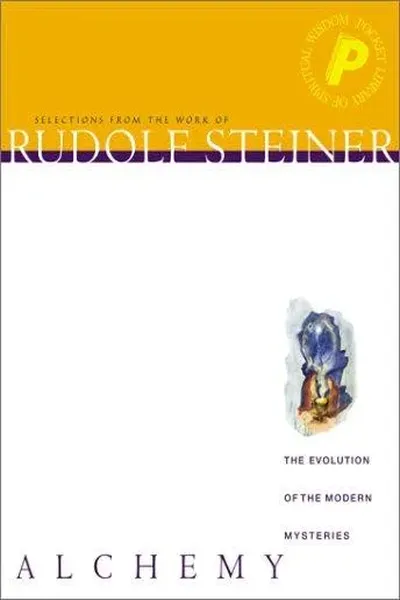
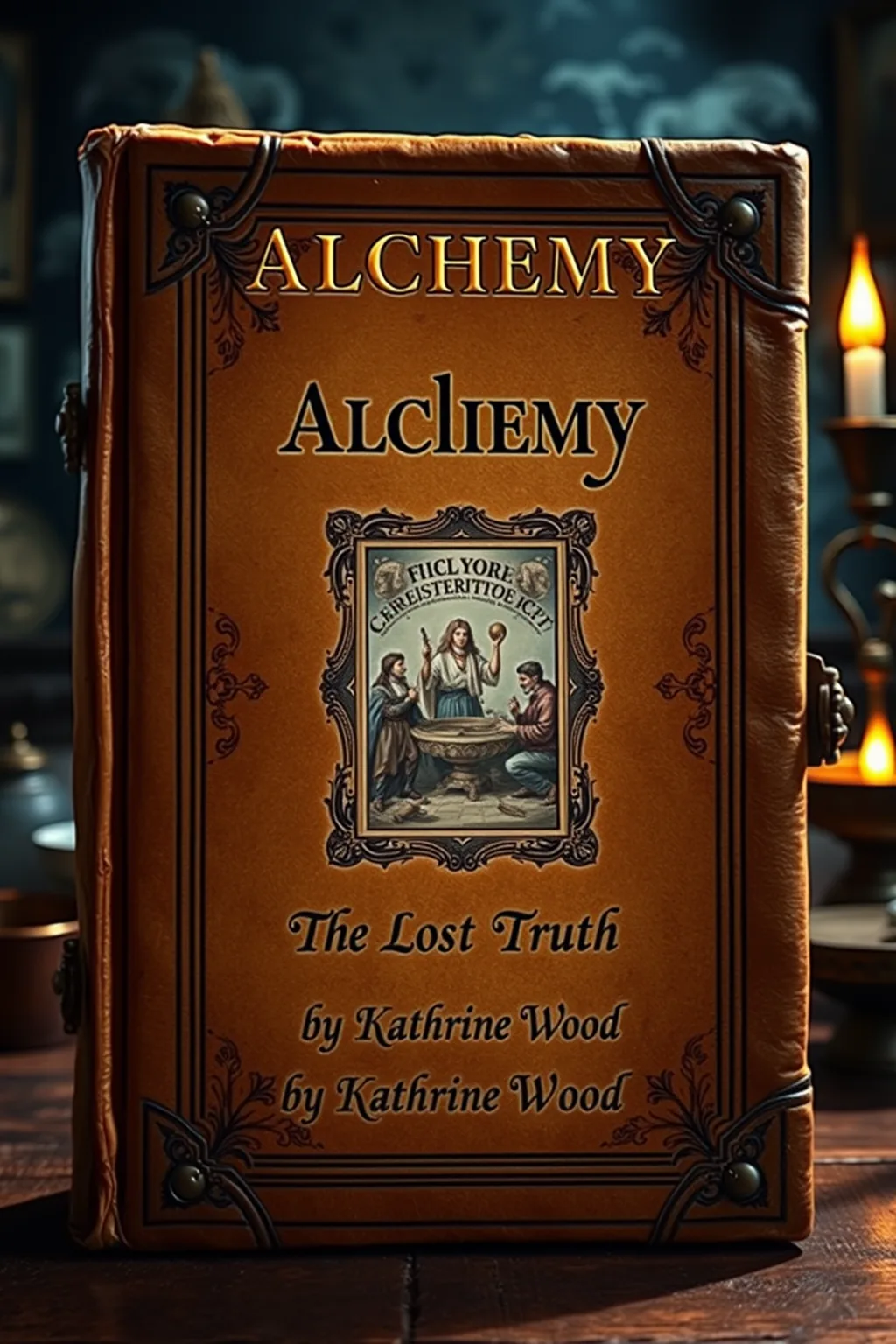
Alchemy the Lost Truth
 61
61

Alchemy the Lost Truth



Review by Balthazar Finch (Senior Critic, Occult Philosophy) — Katherine Wood's Alchemy the Lost Truth is a masterful exploration of the esoteric arts, blending historical context with deep philosophical insights. Wood's strength lies in her ability to demystify complex alchemical symbols and rituals, making them accessible to a modern audience. The book is particularly valuable for its exploration of the Hermetic tradition, providing a comprehensive overview of its principles and practices. Readers interested in the intersection of science and spirituality will find this work both enlightening and inspiring. Wood's authoritative tone and meticulous research make this an essential read for anyone delving into the mysteries of alchemy.
📝 Description
61
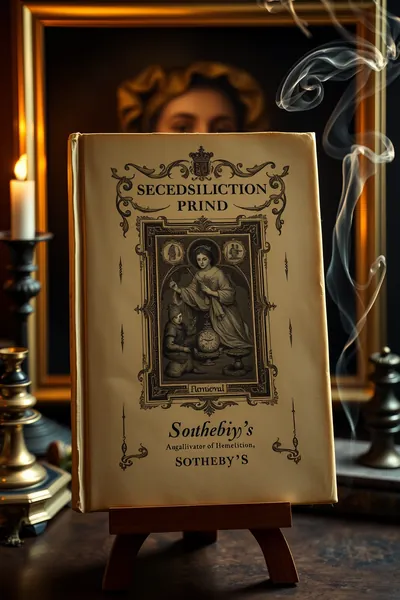
Katherine Wood's Alchemy the Lost Truth examines alchemical symbolism and Hermetic philosophy.
Katherine Wood's Alchemy the Lost Truth investigates the esoteric traditions of alchemy. The book examines the hidden knowledge and symbolism within alchemical practices, connecting them to Hermetic philosophy. It aims to illuminate the philosophical significance of alchemy, including concepts like the transmutation of the soul and the pursuit of spiritual perfection. Wood's writing seeks to convey the atmosphere of ancient alchemical study, making the subject accessible to those interested in spiritual enlightenment and philosophical inquiry. The research presented is intended for a broad audience, from those new to occult studies to more experienced individuals.
This work engages with the historical and philosophical underpinnings of Western esotericism, specifically focusing on the alchemical tradition. Alchemy, as a practice and symbolic system, has roots in ancient Hellenistic Egypt, Gnosticism, and Neoplatonism, later integrating with Kabbalah and Christian mysticism. Wood's book situates itself within this lineage, treating alchemical texts not merely as proto-chemistry but as vehicles for spiritual and psychological transformation. It follows a long line of authors who interpreted alchemical operations as metaphors for inner work.
💡 Why Read This Book?
Alchemy the Lost Truth is a must-read for seekers of hidden knowledge and spiritual transformation. Ideal for both practitioners and scholars, this book offers a deep dive into the symbolism and philosophical underpinnings of alchemy. Readers will gain a new appreciation for the alchemical process and its relevance to modern spiritual practices. Whether you are a novice enthusiast or an experienced alchemist, this book provides valuable insights and a rich understanding of the Hermetic tradition.
⭐ Reader Reviews
Honest opinions from readers who have explored this book.
❓ Frequently Asked Questions
What is the primary focus of Alchemy the Lost Truth?
The primary focus is the exploration of alchemical symbolism and its philosophical significance within the Hermetic tradition.
Who is the intended audience for this book?
The book is intended for spiritual seekers, scholars of esoteric studies, and practitioners of alchemy.
Does the book include historical context?
Yes, the book provides a detailed historical context, explaining the era in which alchemy flourished and its influence on modern thought.
Are there practical exercises or rituals included?
While the book primarily focuses on philosophical and symbolic aspects, it does offer insights into the practical application of alchemical principles.
How does this book differ from other works on alchemy?
Alchemy the Lost Truth stands out for its deep dive into the Hermetic tradition and its emphasis on the spiritual and philosophical dimensions of alchemy.
🔮 Key Themes & Symbolism
Hermetic Philosophy
Alchemy the Lost Truth delves deeply into the principles of Hermetic philosophy, exploring the connection between the microcosm and the macrocosm. Wood's work reveals how alchemy serves as a bridge between the physical and spiritual realms, offering readers a pathway to inner transformation and enlightenment. The book's rich exploration of Hermetic symbols and their meanings provides a comprehensive understanding of this ancient tradition.
Symbolism and Transformation
One of the central themes of the book is the role of symbolism in the alchemical process. Wood meticulously unpacks the significance of various alchemical symbols, such as the philosopher's stone and the ouroboros, showing how they represent the stages of spiritual transformation. Readers will gain a deeper appreciation for the alchemical journey and its relevance to personal growth and self-discovery.
Spiritual Alchemy
The book also explores the concept of spiritual alchemy, which involves the purification and transformation of the soul. Wood's insights into this mystical practice offer readers a roadmap for inner alchemy, guiding them through the stages of purification, illumination, and union with the divine. This theme is particularly valuable for spiritual seekers looking to integrate alchemical principles into their own spiritual practices.
💬 Memorable Quotes
Direct passages from the work, attributed to the author.
“The philosopher's stone is a symbol of the divine spark within.”
— Wood's interpretation of the philosopher's stone emphasizes its role as a symbol of the divine presence within each individual.
💡 Key Ideas
Editorial paraphrase of the work's core concepts — not direct quotes.
The true alchemist seeks not gold but the elixir of life.
This quote underscores the spiritual goal of alchemy, which is the pursuit of inner transformation and eternal life.
In the crucible of the soul, lead is transformed into gold.
This passage highlights the alchemical process of transmutation, symbolizing the purification and elevation of the spirit.
The ouroboros represents the eternal cycle of life, death, and rebirth.
This quote explains the significance of the ouroboros as a symbol of the continuous cycle of transformation and renewal.
Alchemy is the art of making conscious the unconscious.
This passage underscores the alchemical goal of integrating the unconscious aspects of the psyche into conscious awareness.
🌙 Esoteric Significance
Tradition
Alchemy the Lost Truth belongs to the Hermetic tradition, which emphasizes the unity of all things and the interconnectedness of the microcosm and macrocosm. This tradition, rooted in the teachings of Hermes Trismegistus, explores the spiritual and philosophical dimensions of alchemy, seeking to uncover the hidden knowledge that lies at the heart of the universe.
Symbolism
Key symbols in the book include the philosopher's stone, the ouroboros, and the alchemical stages of nigredo, albedo, and rubedo. The philosopher's stone represents the ultimate goal of alchemy: the achievement of spiritual perfection and the elixir of life. The ouroboros symbolizes the eternal cycle of life, death, and rebirth, while the alchemical stages represent the process of purification and transformation.
Modern Relevance
Today, the teachings of Alchemy the Lost Truth continue to resonate with modern practitioners of esoteric studies. The book's exploration of alchemical symbolism and its philosophical significance offers valuable insights into the spiritual journey. Modern practitioners, such as Jungian analysts and spiritual seekers, draw upon the wisdom of alchemy to guide their own inner transformations and quests for enlightenment.
👥 Who Should Read This Book
Beginners interested in alchemy will find Alchemy the Lost Truth an accessible introduction to the mystical arts, offering a clear explanation of key concepts and symbols. Scholars of esoteric studies will appreciate the book's deep dive into the Hermetic tradition and its historical context. Spiritual seekers will benefit from the insights into spiritual alchemy and the transformative power of the alchemical journey. Practitioners of alchemy will find valuable guidance on integrating alchemical principles into their own practices.
📜 Historical Context
Alchemy the Lost Truth was written during a time of renewed interest in esoteric traditions and spiritual practices. The book reflects the era's fascination with the mysteries of the universe and the quest for hidden knowledge. Alchemy, with its roots in ancient Egypt and Greece, experienced a resurgence during the Renaissance, influencing both scientific and spiritual thought. Wood's work captures the essence of this period, providing a comprehensive overview of alchemical practices and their historical significance. The book's influence can be seen in modern esoteric studies, where it continues to inspire seekers of spiritual enlightenment.
📔 Journal Prompts
Reflect on a symbol from the book that resonated with you and explore its personal significance.
Consider the stages of the alchemical process and how they might apply to your own spiritual journey.
Write about a moment of transformation in your life and how it relates to the themes of alchemy.
Imagine yourself as an alchemist and describe the crucible of your soul. What impurities need to be purified?
Explore the concept of the philosopher's stone and what it might represent in your own quest for spiritual enlightenment.
🗂️ Glossary
Hermetic Tradition
A philosophical and spiritual tradition based on the teachings of Hermes Trismegistus, emphasizing the unity of all things and the interconnectedness of the microcosm and macrocosm.
Philosopher's Stone
A legendary alchemical substance said to be capable of turning base metals into gold and granting eternal life.
Ouroboros
A symbol of a serpent or dragon swallowing its own tail, representing the eternal cycle of life, death, and rebirth.
Nigredo
The first stage of the alchemical process, symbolizing the dark night of the soul and the initial purification of the spirit.
Rubedo
The final stage of the alchemical process, representing the achievement of spiritual perfection and the union with the divine.
This book appears in 4 collections
🔮 Readers Also Liked
Browse all →









From the “Hermeticism” Collection
View all →







More Free Alchemy & Hermeticism Books
View all →