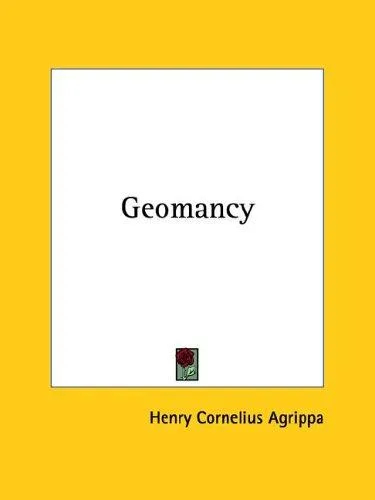
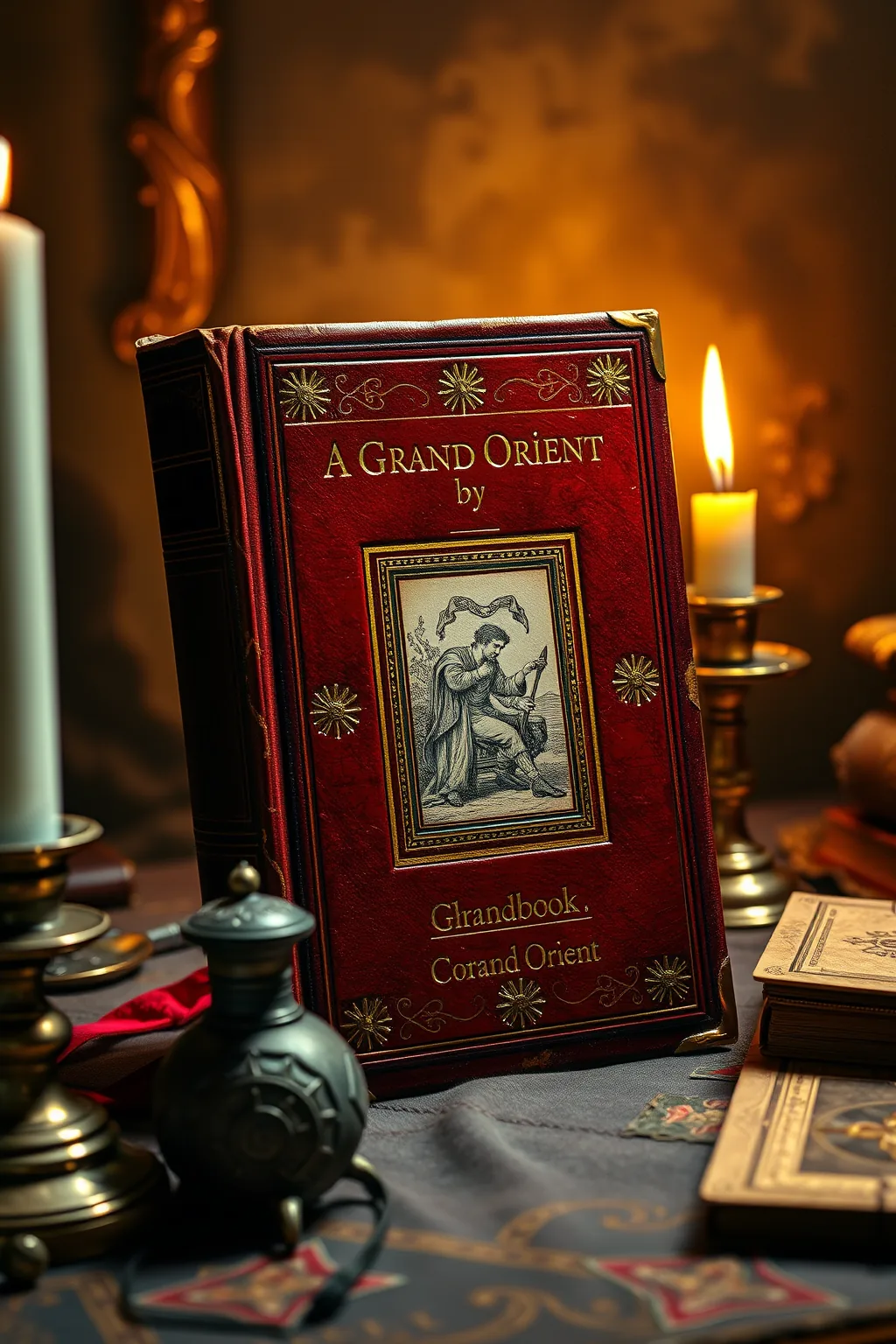
A handbook of cartomancy, fortune-telling, and occult divination
 62
62

A handbook of cartomancy, fortune-telling, and occult divination



Evander Ashcroft (Alchemy & Hermeticism Editor) — Grand Orient's "Handbook" is a foundational text for any serious student of occult divination. Its strength lies in its comprehensive approach, detailing not only cartomancy but also a spectrum of fortune-telling techniques, all presented within the rich philosophical context of the era. The author masterfully bridges the gap between practical application and esoteric theory, offering profound insights into the symbolic language of the cards. This is not a superficial guide; it demands contemplation and dedication. Ideal for practitioners seeking to deepen their understanding, scholars investigating historical occult practices, and anyone drawn to the timeless art of reading the threads of fate.
📝 Description
62
"A Handbook of Cartomancy, Fortune-Telling, and Occult Divination" details 19th-century occult practices.
Published by Grand Orient, this book details methods of cartomancy and occult divination prevalent in the late 19th century. It examines the symbolism within playing cards and other divinatory tools, explaining how they can be used to interpret fate. The author provides instruction for aspiring diviners, encouraging a curious and open approach to the practice.
The text covers techniques for discerning and interpreting patterns thought to represent destiny. It aims to equip readers with the knowledge to understand these symbolic languages and connect with unseen influences. The book presents this information with a focus on clarity and directness, intended for individuals serious about studying occult subjects.
This handbook belongs to the late 19th-century surge in occultism and spiritualism. During this period, various traditions, including Theosophy and Hermeticism, saw renewed interest. Divinatory practices like cartomancy were often integrated into broader systems of esoteric knowledge, seeking to understand the universe and humanity's place within it through symbolic interpretation and direct experience.
💡 Why Read This Book?
Unravel the ancient secrets of divination with a time-tested guide. This handbook offers a comprehensive lexicon of cartomancy and other fortune-telling arts, making the esoteric accessible. It's perfect for seekers yearning for deeper insight, practitioners looking to refine their skills, and scholars interested in the historical development of occult practices. Discover the symbolic language that connects the mundane to the mystical.
⭐ Reader Reviews
Honest opinions from readers who have explored this book.
❓ Frequently Asked Questions
What makes this handbook unique compared to modern divination guides?
This handbook offers a glimpse into the foundational principles and historical context of divination as understood in the late 19th century, providing a unique perspective often absent in contemporary works. It emphasizes the philosophical underpinnings and esoteric traditions of the time.
Is prior knowledge of occultism required to understand this book?
While prior knowledge can enhance understanding, Grand Orient's clear prose and systematic approach make it accessible to dedicated beginners. The book gradually introduces concepts, encouraging a learning journey.
What types of divination are covered besides card reading?
Beyond cartomancy, the handbook explores various other methods of fortune-telling popular during its era, offering a broader understanding of occult predictive arts.
How can this book help someone interested in personal growth?
By learning to interpret symbols and patterns, readers can gain self-awareness, understand life's challenges from a different perspective, and make more informed decisions, fostering personal and spiritual development.
Is this book suitable for academic study?
Absolutely. It serves as a valuable primary source for understanding the evolution of divination practices and occult thought in the late Victorian and Edwardian periods.
🔮 Key Themes & Symbolism
The Symbology of the Cards
This handbook meticulously deciphers the collection of symbols woven into each card of various divination decks. It examines the archetypal meanings, planetary associations, and elemental correspondences that imbue these seemingly simple images with profound cosmic significance. The reader is guided to see beyond the literal representation, understanding how these symbols act as keys to unlocking the subconscious mind and the hidden patterns of fate. Grand Orient's approach emphasizes the universal language of imagery, suggesting that these symbols resonate with ancient wisdom, offering insights into the human condition and the unfolding of destiny.
The Art of Esoteric Interpretation
Beyond mere memorization of meanings, this text champions the development of intuitive and interpretive skills essential for true divination. Grand Orient outlines methods for synthesizing card meanings within the context of a question and the querent's energy, fostering a dynamic and personal reading experience. The emphasis is on developing a 'feel' for the cards, understanding their relationships, and discerning the subtle nuances that reveal deeper truths. This section is crucial for practitioners aiming to move beyond rote learning to a more profound and insightful engagement with divinatory tools.
Cartomancy as a Path to Self-Knowledge
The handbook presents cartomancy not just as a tool for predicting the future, but as a powerful catalyst for self-discovery and personal evolution. By engaging with the symbolic narratives of the cards, individuals can confront their own inner landscapes, gain clarity on their motivations, and understand the karmic threads that influence their lives. Grand Orient frames divination as a dialogue with the higher self and the subtle realms, offering guidance and illumination for navigating life's challenges and opportunities with greater wisdom and intention.
💬 Memorable Quotes
Direct passages from the work, attributed to the author.
“Each symbol holds a universe of meaning for the discerning eye.”
— This highlights the depth and complexity inherent in the symbols used in divination, emphasizing that true understanding requires perception and intellectual insight.
“The future is not fixed, but a flowing river of possibilities.”
— This implies that while divination can reveal potentials, human agency and choice play a significant role in shaping outcomes, offering a hopeful perspective on destiny.
“Wisdom lies not in seeing the end, but in understanding the journey.”
— This emphasizes the value of the process of divination and personal growth over simply knowing future events, focusing on the learning and evolutionary aspects.
“The universe whispers its secrets to those who listen with their soul.”
— This speaks to the importance of intuition, spiritual receptivity, and inner awareness as essential faculties for connecting with higher knowledge and subtle truths.
💡 Key Ideas
Editorial paraphrase of the work's core concepts — not direct quotes.
The cards are but mirrors reflecting the divine will.
This quote suggests that divination tools are not sources of independent prophecy, but rather passive instruments that reveal preordained cosmic patterns or divine intentions.
🌙 Esoteric Significance
Tradition
This handbook is deeply rooted in the Western Esoteric Tradition, drawing heavily from Hermeticism, Kabbalah, and early forms of occult psychology prevalent in the late 19th century. It reflects a period where magical and divinatory practices were being synthesized and codified, often with an emphasis on understanding the correspondences between the macrocosm (universe) and the microcosm (human being). The work bridges ancient mystical insights with emerging scientific and philosophical thought of its time, positioning divination as a legitimate field of esoteric study.
Symbolism
The core of the book's esoteric significance lies in its detailed exploration of symbolism. It treats each card, number, and element not merely as an icon, but as a complex sigil representing profound philosophical and spiritual concepts. Grand Orient elucidates how these symbols function as archetypal keys, capable of unlocking the subconscious, revealing hidden truths about the querent and the situation, and acting as a language of the divine. The interpretation of these symbols is presented as a sacred art, essential for understanding the intricate web of existence.
Modern Relevance
Despite its historical origins, "A Handbook of Cartomancy" remains remarkably relevant for contemporary seekers. It provides a solid, foundational understanding of divinatory principles that transcends specific decks or systems. Its emphasis on symbolic interpretation, intuitive development, and the connection between the inner and outer worlds offers a timeless framework for self-exploration and spiritual growth. In an age often characterized by superficiality, this book encourages a deeper, more contemplative engagement with life's mysteries and personal destiny.
👥 Who Should Read This Book
This indispensable volume is a must-have for a diverse array of individuals. For the **beginner** seeking a comprehensive introduction to the art of divination, it offers a clear and systematic pathway into cartomancy and other fortune-telling methods. **Scholars** of occult history and comparative religion will find it an invaluable primary source, shedding light on late 19th-century esoteric thought and practice. **Spiritual seekers** yearning for deeper self-understanding and insight into life's patterns will discover a rich wellspring of wisdom. **Practitioners** of Tarot and other divinatory arts will benefit immensely from its foundational knowledge, expanding their interpretive skills and deepening their connection to the symbolic language of the universe.
📜 Historical Context
Authored during the vibrant intellectual and spiritual ferment of the late 19th century, "A Handbook of Cartomancy, Fortune-Telling, and Occult Divination" emerges from an era deeply fascinated by the esoteric. This period saw a resurgence of interest in spiritualism, theosophy, and various occult traditions, fueled by a desire to find meaning beyond the material advancements of the Industrial Revolution. Thinkers and seekers alike were exploring ancient wisdom, Eastern philosophies, and the hidden potentials of the human mind. Grand Orient's work is a evidence of this widespread curiosity, meticulously documenting and systematizing practices that were often passed down through oral tradition or fragmented manuscripts. The book reflects the Victorian and Edwardian penchant for structured knowledge and the belief that the universe held discoverable, albeit hidden, laws. Its influence can be seen in the foundational texts of modern Tarot and divination studies, offering a crucial link to the roots of contemporary occult practice.
📔 Journal Prompts
Reflect on a recurring symbol in your dreams or daily life. How might it relate to the archetypes discussed in this handbook?
Consider a recent challenge you faced. If you were to draw cards for this situation, what initial interpretations come to mind based on the principles outlined?
How does the concept of 'destiny versus free will' resonate with your understanding of divination as presented by Grand Orient?
Choose one card discussed in the handbook and meditate on its core symbolism for 10 minutes. Record any insights or feelings that arise.
Imagine you are explaining the power of symbolic language in divination to someone unfamiliar with the topic. What key points would you emphasize from this reading?
🗂️ Glossary
Cartomancy
The art and practice of fortune-telling using a deck of cards, typically Tarot or playing cards. It involves interpreting the imagery, numbers, and suits of the cards to gain insight into past, present, and future events.
Divination
The practice of seeking knowledge of the future or the unknown by supernatural means. It encompasses a wide range of methods, including astrology, scrying, augury, and the interpretation of omens.
Esoteric
Intended for or likely to be understood by only a small number of people with a specialized knowledge or interest. In the context of this book, it refers to hidden or secret knowledge related to spiritual, mystical, or occult subjects.
Occult
Relating to supernatural, mystical, or magical powers, practices, or phenomena. It often involves the study of hidden or secret knowledge that lies beyond ordinary human experience and understanding.
Symbolism
The use of symbols to represent ideas or qualities. In divination, symbols within cards or other media are interpreted to convey deeper meanings, archetypal truths, and messages from the subconscious or spiritual realms.
This book appears in 2 collections
🔮 Readers Also Liked
Browse all →
From the “Tarot Reading” Collection
View all →
More Free Divination & Tarot Books
View all →