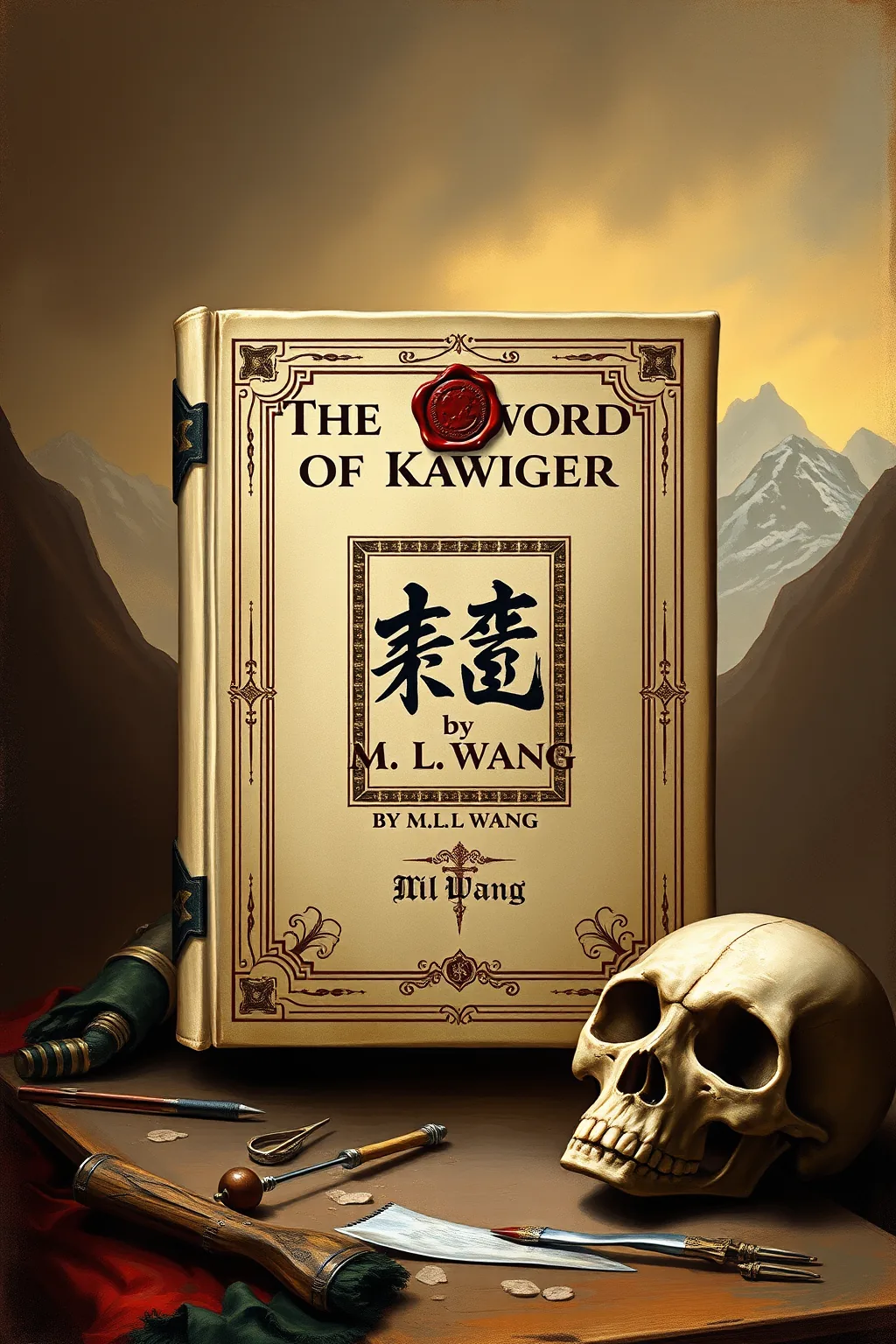
The Sword of Kaigen
 72
72

The Sword of Kaigen

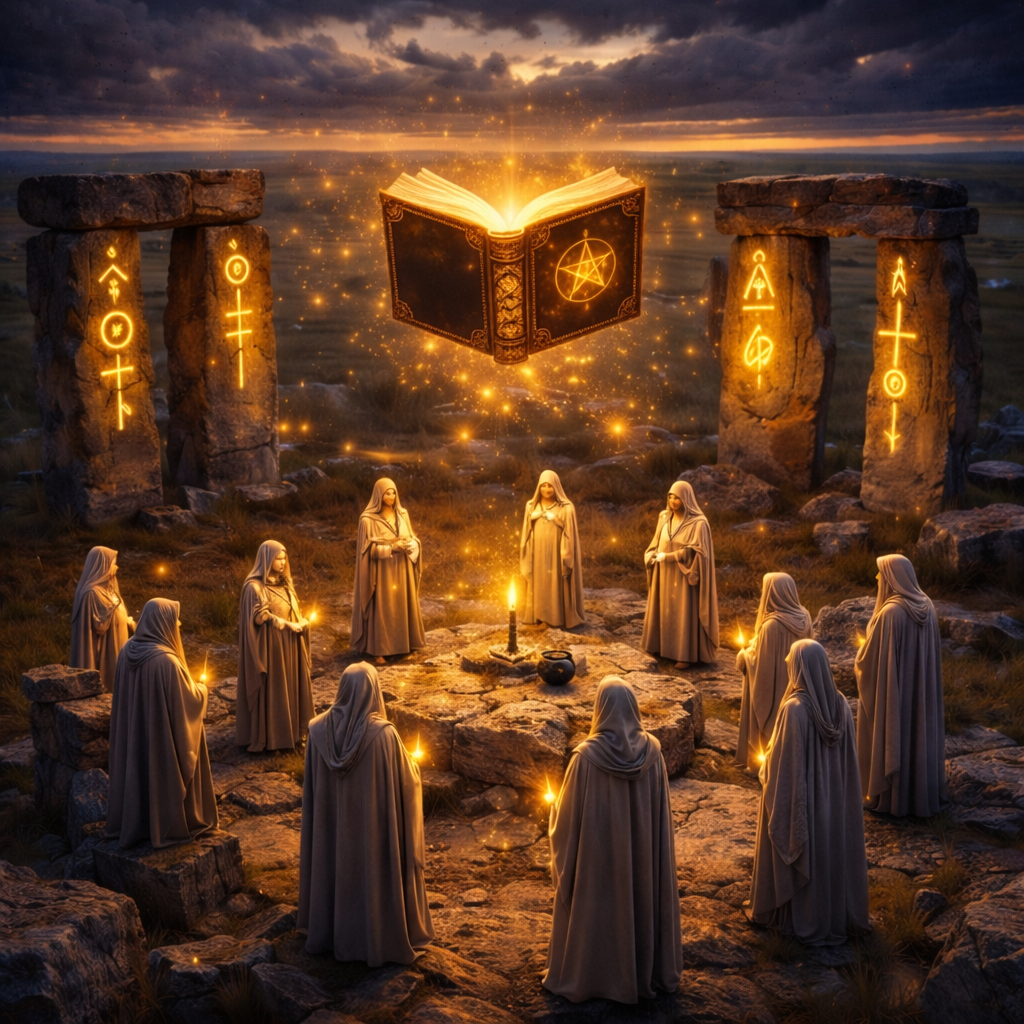

Aurelia Blackwood (Occult Philosophy Critic) — M. L. Wang’s 'The Sword of Kaigen' is a revelation, masterfully blending high fantasy with profound esoteric underpinnings. The depiction of elemental magic as a discipline deeply rooted in spiritual attunement and internal focus echoes ancient Hermetic principles. The author skillfully explores themes of inherited destiny and the arduous path of self-mastery, akin to the arduous trials faced by initiates in mystical orders. The Kusanagi warriors' connection to the sea and ice transcends mere combat; it signifies a deep communion with primal forces, offering fertile ground for contemplation on human potential and our place within the grand cosmic tapestry. Essential reading for seekers of deeper meaning within fantastical realms.
📝 Description
72
M. L. Wang's 2020 novel depicts a warrior clan drawing elemental power from the Kusanagi Peninsula.
The Matsuda clan, guardians of the Kaigenese Empire, command elemental forces, shaping weapons from ice and controlling the sea. Their isolated homeland is known as 'The Sword of Kaigen.' Young Mamoru, a clan heir, faces the challenge of mastering these unique fighting arts. His path requires confronting both external dangers and his own inner development. This involves understanding inherited power and the weight of his lineage.
The novel examines martial discipline through an esoteric lens. It highlights the spiritual training needed to wield significant power. The narrative explores the connection between a warrior, their chosen element, and the universe's governing forces. Inner resilience is presented as vital as physical skill in this martial tradition.
This story situates itself within a tradition that views martial arts not merely as physical combat but as a path to spiritual cultivation. The Kaigenese warrior's ability to draw power from nature and imbue their weapons with elemental force aligns with concepts found in various esoteric traditions that posit a connection between the human will, the natural world, and unseen energies. The emphasis on self-mastery and internal transformation as prerequisites for external power echoes practices common in disciplines like Qigong or certain schools of Taoist internal alchemy, where the body and spirit are trained to channel vital energies.
💡 Why Read This Book?
Embark on an extraordinary journey into a world where elemental magic is not just power, but a profound spiritual discipline. 'The Sword of Kaigen' offers readers a chance to explore themes of destiny, sacrifice, and the arduous path of self-mastery through the lens of a compelling epic fantasy narrative. Ideal for seekers of hidden knowledge, scholars of comparative mythology, and practitioners interested in the philosophical underpinnings of power and purpose.
⭐ Reader Reviews
Honest opinions from readers who have explored this book.
❓ Frequently Asked Questions
What is the core mystical element explored in 'The Sword of Kaigen'?
The core mystical element is the profound connection between the Kusanagi warriors and the elemental forces of ice and sea. This connection is depicted not just as a source of power, but as a spiritual discipline requiring intense inner focus and attunement to the natural world, echoing ancient philosophies of elemental harmony.
Does the book delve into specific occult traditions?
While not explicitly naming traditions, the book draws heavily on the principles of elemental magic, spiritual discipline, and the concept of inherited spiritual lineage, which are resonant with themes found in Hermeticism, Taoism, and various forms of shamanistic practice.
How does the concept of 'destiny' function in the narrative?
Destiny in 'The Sword of Kaigen' is presented as a complex interplay of inherited responsibility and personal choice. Characters must navigate the weight of their lineage and societal expectations while forging their own path, often through rigorous self-examination and the mastery of esoteric arts.
Is this book suitable for readers new to esoteric themes?
Absolutely. While rich in esoteric depth, the narrative is accessible, introducing concepts organically through character development and plot. Readers new to these themes will find a compelling entry point into exploring the philosophical and spiritual dimensions of magic and self-discovery.
What kind of philosophical insights can one gain from 'The Sword of Kaigen'?
The book offers insights into the nature of power, the responsibility that comes with it, the importance of inner discipline, and the interconnectedness of all things. It encourages contemplation on personal purpose and the pursuit of excellence through spiritual and mental fortitude.
🔮 Key Themes & Symbolism
The Alchemy of Elemental Mastery
The narrative intricately ties the concept of elemental magic with a profound spiritual and alchemical discipline. The warriors of Kusanagi do not merely wield ice and sea; they become living conduits, their internal states directly influencing their external power. This process mirrors the ancient alchemical pursuit of transforming base elements into gold, here translated into the transformation of the self through rigorous mental, spiritual, and physical training. The mastery of these forces requires not just technical skill, but a deep understanding of cosmic energies and the interconnectedness of all existence, highlighting a potent blend of martial prowess and esoteric wisdom.
The Weight of Inherited Legacy and Destiny
Central to the story is the burden and honor of an inherited legacy, particularly for the young protagonist, Mamoru. He is born into a lineage of legendary warriors, tasked with upholding centuries of tradition and defending his homeland. This theme explores the philosophical tension between predetermined fate and individual free will. The characters grapple with the expectations placed upon them by their ancestors and society, forcing them to confront who they are versus who they are meant to be. This introspective journey is crucial for understanding the true nature of strength, which lies not only in external power but in the internal fortitude to embrace or defy one's destined path.
The Intertwined Nature of Power and Sacrifice
'The Sword of Kaigen' profoundly illustrates that immense power is inextricably linked to profound sacrifice. The Kusanagi warriors, while possessing god-like abilities, live a life of stoic discipline, constant vigilance, and often, profound personal loss. Their power is not a gift to be indulged, but a sacred trust demanding unwavering commitment and the relinquishing of personal desires for the greater good. This theme appeals to the esoteric understanding that true spiritual advancement often requires shedding the mundane and embracing hardship as a catalyst for growth. The narrative compels readers to consider the true cost of power and the noble sacrifices made in its name.
💬 Memorable Quotes
Direct passages from the work, attributed to the author.
“The sea remembers all.”
— A poetic assertion of the deep, ancient, and perhaps sentient nature of the elemental forces. It implies a cosmic memory and a connection to primordial energies that influence the present.
“To command the ice is to understand stillness.”
— This highlights the meditative and focused aspect of elemental magic. It connects the ability to control a powerful force with inner peace and the mastery of one's own mental state.
“The greatest battles are fought within.”
— A classic esoteric principle, this emphasizes that true mastery and victory come from overcoming one's own internal weaknesses, doubts, and limitations, rather than external adversaries.
💡 Key Ideas
Editorial paraphrase of the work's core concepts — not direct quotes.
The true strength lies not in the blade, but in the hand that wields it.
This quote underscores the spiritual and internal aspect of power. It suggests that external tools are secondary to the internal discipline, intention, and character of the individual using them.
Legacy is a chain, but it can also be a foundation.
This quote explores the duality of inherited tradition. It can be a restrictive burden, or it can be a stable base upon which one builds their own strength and identity.
🌙 Esoteric Significance
Tradition
The book's esoteric significance lies in its portrayal of elemental magic as a discipline deeply rooted in spiritual attunement and internal alchemy. It mirrors principles found in Hermeticism, which emphasizes the connection between the microcosm (the individual) and the macrocosm (the universe), and the transformative power of elemental forces. The warriors' mastery reflects the idea of 'As Above, So Below,' where inner control is key to external influence, and the pursuit of perfection through rigorous practice aligns with the yogic and monastic traditions focused on self-purification and enlightenment.
Symbolism
The ice and sea are potent symbols. Ice represents stillness, purity, control, and the potential for immense, frozen power waiting to be unleashed. The sea symbolizes the vast, untamed subconscious, emotional depths, and the fluidity of existence. The Kusanagi Peninsula itself, 'The Sword of Kaigen,' symbolizes a bastion of power and tradition, a sharp edge defending against chaos. The Matsuda family represents an ancient lineage, a conduit of ancestral wisdom and power, and the act of wielding a blade of ice is a metaphor for wielding focused, controlled spiritual energy.
Modern Relevance
In a world often characterized by external validation and rapid change, 'The Sword of Kaigen' offers a compelling exploration of inner strength, discipline, and purpose. Its themes of inherited responsibility and the arduous journey of self-mastery resonate deeply with contemporary challenges. The book's depiction of power derived from spiritual connection and internal fortitude provides a valuable counterpoint to purely materialistic pursuits, encouraging readers to consider the lasting impact of intention, discipline, and a deep connection to something larger than oneself in navigating modern life.
👥 Who Should Read This Book
This epic fantasy is a treasure for a diverse readership. **Seekers of profound meaning** will find themselves captivated by the spiritual underpinnings of the magic system and the characters' journeys of self-discovery. **Scholars of comparative mythology and esoteric studies** will appreciate the nuanced exploration of elemental forces, discipline, and lineage, drawing parallels to ancient traditions. **Practitioners of martial arts and spiritual disciplines** will recognize the traces of their own paths in the characters' dedication to mastery and inner fortitude. **Beginners to the fantasy genre** will be drawn in by the compelling plot and vivid world-building, finding an accessible entry into themes of power, destiny, and sacrifice.
📜 Historical Context
While 'The Sword of Kaigen' is a work of pure fantasy, its thematic resonance with historical martial traditions and philosophical ideals is undeniable. The concept of warrior clans dedicated to defending borders and embodying specific martial arts reflects the historical Samurai of feudal Japan, known for their rigorous training, bushido code, and deep spiritual connection to their craft. Furthermore, the exploration of elemental control and its spiritual underpinnings draws from ancient philosophies that viewed the natural world as imbued with sentient forces, a concept prevalent in various shamanistic practices and Eastern spiritual traditions. The narrative taps into a timeless human fascination with mastering nature and the self, drawing parallels to historical quests for enlightenment and power across diverse cultures and eras.
📔 Journal Prompts
Reflect on a time you felt a deep connection to a natural element. How did this connection influence your emotions or actions?
Consider a personal legacy or tradition you are part of. How does it shape your identity, and what aspects do you wish to uphold or transcend?
What does 'true strength' mean to you? Is it physical, mental, emotional, or spiritual? Explore the interplay of these aspects.
Imagine you possess a powerful, innate ability. What ethical considerations and responsibilities would accompany wielding such power?
Describe a personal 'inner battle' you have faced and the strategies you employed to overcome it. What lessons were learned from this internal conflict?
🗂️ Glossary
Kaigenese Empire
The vast, overarching political entity within which the story is set, protected by the formidable warriors of the Kusanagi Peninsula.
Kusanagi Peninsula
A rugged, frozen land on the edge of the Kaigenese Empire, home to the legendary warriors renowned for their elemental abilities.
Matsuda Family
A prominent and ancient clan within the Kusanagi warriors, known for their exceptional martial prowess and lineage of powerful fighters.
Elemental Magic
The ability to command and manipulate natural forces, particularly ice and sea, as depicted in the novel, often requiring intense spiritual and mental discipline.
Bushido (Implied)
While not explicitly named, the warriors' code of honor, discipline, and dedication to duty and sacrifice reflects the principles of Bushido, the code of the samurai.
This book appears in 2 collections
🔮 Readers Also Liked
Browse all →






More by M. L. Wang
All books →


From the “Ceremonial Magic” Collection
View all →



More Free Magic & Ritual Books
View all →