100% Free & Public Domain 16,000+ Esoteric Books No Registration Needed
Home Collections Neoplatonism
🏛️

Neoplatonism: Esoteric Philosophy & Mysticism

Journey into the profound philosophical and spiritual world of Neoplatonism, a powerful current that shaped Western thought, mysticism, and esotericism for centuries. Originating in the 3rd century CE with Plotinus, Neoplatonism synthesized Platonic ideals with elements of Aristotelian logic, Stoicism, and Pythagoreanism, forging a hierarchical cosmology that influenced early Christianity, Islam, and the Renaissance. At its heart, Neoplatonism seeks to understand the nature of reality, the human soul, and the path to ultimate union with the divine source, known as The One.

This collection from the Esoteric Library offers a unique opportunity to explore the foundational texts and scholarly interpretations of Neoplatonism. From its intricate metaphysics of emanation – describing how all existence flows from The One through the Intellect (Nous) and the Soul – to its emphasis on ethical purification and intellectual ascent, Neoplatonism provides a rich framework for spiritual inquiry. Figures like Proclus, whose systematic approach to Neoplatonism is explored in Lucas Siorvanes's work, further developed its concepts, integrating ritual and theurgy as means to connect with the divine.

The enduring legacy of Neoplatonism extends far beyond philosophy. Its ideas permeated various esoteric traditions, including Hermeticism, Gnosticism, and later forms of Western magic and alchemy. Scholars like Brian P. Copenhaver, through his work on "Hermetica," illuminate these crucial connections, demonstrating how Neoplatonism served as a bridge between ancient Greek thought and subsequent mystical movements. The concept of the soul's descent into matter and its potential for re-ascent, a central theme in Neoplatonism, resonated deeply with many seeking spiritual liberation and understanding. The rigorous intellectual discipline combined with a yearning for mystical experience makes Neoplatonism a captivating subject for students of the occult and spiritual paths.

Our collection includes essential works that trace the development and impact of Neoplatonism. You'll find introductory texts by esteemed authors such as Richard T. Wallis and Pauliina Remes, offering accessible entry points into this complex philosophy. Dive into the profound insights of "Reading Plotinus" by Kevin Corrigan, or explore specific aspects of Neoplatonic thought like the nature of "Theophany" as discussed by Eric David Perl. Whether you are a seasoned scholar or a curious newcomer, these free public-domain resources provide invaluable access to the core tenets and historical trajectory of Neoplatonism, inviting you to engage with one of history's most influential esoteric philosophies.

Discover how Neoplatonism continues to inspire contemporary spiritual seekers and philosophers, offering timeless insights into consciousness, reality, and the quest for transcendent truth. This Esoteric Library collection is your gateway to understanding the profound and multifaceted world of Neoplatonism.

Top Neoplatonism Books

25 Neoplatonism books
Being or good?
📖
Being or good?
Agnieszka Kijewska
4.0
61
Hermetica
📖
Hermetica
Brian P. Copenhaver
4.1
62
Neo-Platonism
📖
Neo-Platonism
Charles Bigg
4.1
63
MUST READ
Piers Plowman
📖
Piers Plowman
Diane Purdy Lichstein
4.0
61
TRENDING
Neoplatonica
📖
Neoplatonica
Dublin Conference on Neoplatonism (
4.0
61
Theophany
📖
Theophany
Eric D. Perl
4.0
62
Soul and intellect
📖
Soul and intellect
H. J. Blumenthal
4.0
61
Isaac Israeli
📖
Isaac Israeli
Israeli, Isaac
4.0
61
Defining Platonism
📖
Defining Platonism
John F. Finamore
4.0
61
Numenius of Apamea
📖
Numenius of Apamea
Kenneth Sylvan Guthrie
4.0
61
Reading Plotinus
📖
Reading Plotinus
Kevin Corrigan
4.1
63
MUST READ
Gonimos
📖
Gonimos
Leendert Gerrit Westerink
4.0
61
Proclus
📖
Proclus
Lucas Siorvanes
4.0
62
Mind in nature
📖
Mind in nature
Maria Teresa Teixeira
4.0
61
Neoplatonism
📖
Neoplatonism
Pauliina Remes
4.1
64
Neoplatonism
📖
Neoplatonism
Remes Pauliina Staff
4.0
61
Neoplatonism
📖
Neoplatonism
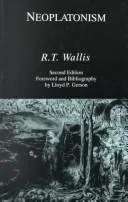
Richard T. Wallis
4.1
63

Reading Order

Three paths · pick by your level

🌱

Beginner

  1. Neoplatonism Offers an excellent general introduction to Neoplatonism, covering its history, key figures, and fundamental concepts for newcomers.
  2. Neoplatonism Provides another accessible overview of Neoplatonism, ideal for those seeking a foundational understanding of this complex philosophy.
  3. Neo-Platonism A classic text that introduces the core ideas and historical context of Neo-Platonism, making it suitable for initial study.
🌿

Intermediate

  1. Reading Plotinus Focuses on Plotinus, the founder of Neoplatonism, offering deeper insights into his primary philosophical contributions and system.
  2. Hermetica Explores the Hermetica, a collection of texts closely related to and influenced by Neoplatonic thought, expanding the scope of study.
  3. Soul and intellect Examines the crucial Neoplatonic concepts of soul and intellect, essential for a more nuanced understanding of the philosophy's metaphysics.
🌳

Advanced

  1. Proclus Dives into the complex philosophy of Proclus, a later Neoplatonist who systematically developed and expanded the tradition's intricate hierarchy.
  2. Being or good? Addresses a specific philosophical debate within Neoplatonism, suitable for readers seeking to engage with advanced conceptual discussions.
  3. Being Different Explores specialized topics within Neoplatonism, offering a deeper academic perspective on specific aspects of its historical development.

Why Each Book Matters

Being or good?

Being or good?

by Agnieszka Kijewska

Titled "Being or good?" by Agnieszka Kijewska, this work likely delves into a fundamental debate within Neoplatonism regarding the ultimate principle: whether it is primarily 'Being' (as in Parmenides) or 'the Good' (as in Plato). This question is central to understanding the nature of The One and its relation to subsequent emanations, a key philosophical problem.

Hermetica

Hermetica

by Brian P. Copenhaver

Translated and edited by Brian P. Copenhaver, "Hermetica" presents a collection of ancient Greek and Latin texts attributed to Hermes Trismegistus. While not purely Neoplatonic, these writings share significant philosophical and mystical overlaps, deeply influencing Renaissance Neoplatonism and its esoteric currents with concepts like the microcosm and macrocosm.

Neoplatonism

Neoplatonism

by C. Bigg

Authored by C. Bigg, this book titled "Neoplatonism" likely offers a historical and interpretive account of the philosophical movement. Charles Bigg, a classical scholar, was known for his detailed analyses of early Christian and Hellenistic thought, placing Neoplatonism within its broader intellectual context.

The changing self

The changing self

by Carlos G. Steel

Authored by Carlos G. Steel, "The changing self" likely investigates the Neoplatonic understanding of personal identity and the mutable nature of the soul. Steel is a renowned scholar of Neoplatonism, particularly known for his work on Proclus and the Greek commentators on Aristotle, exploring how the self navigates the journey between the material and divine.

Neo-Platonism

Neo-Platonism

by Charles Bigg

Authored by Charles Bigg, "Neo-Platonism" provides an essential historical and philosophical introduction to the school. Bigg's work elucidates the origins and evolution of Neoplatonism, presenting the core ideas of Plotinus and his successors in a clear and accessible manner, often from a late 19th or early 20th-century scholarly viewpoint.

Piers Plowman

Piers Plowman

by Diane Purdy Lichstein

While "Piers Plowman" by Diane Purdy Lichstein is primarily a medieval English allegorical poem, it can be studied for its potential Neoplatonic echoes, particularly in its depiction of spiritual ascent and the search for truth. Some scholars argue for Neoplatonic influences on medieval Christian mysticism, which might be explored in relation to this literary work.

Neoplatonica

Neoplatonica

by Dublin Conference on Neoplatonism (1992 Dublin, Ireland)

This volume, "Neoplatonica," stems from the Dublin Conference on Neoplatonism (1992 Dublin, Ireland). It collects scholarly papers presented at the conference, offering diverse perspectives on various aspects of Neoplatonic philosophy, its history, and its influence across different periods and cultures, reflecting contemporary research in the field.

Theophany

Theophany

by Eric D. Perl

Another work titled "Theophany" by Eric D. Perl, likely a different edition or a companion volume to his other work. It continues to investigate the Neoplatonic concept of divine manifestation, emphasizing the ways in which the ineffable One becomes knowable through its emanations, particularly in the Nous and Soul, a central theme in Plotinus's Enneads.

Theophany

Theophany

by Eric David Perl

Authored by Eric David Perl, this work titled "Theophany" explores the manifestation of the divine within Neoplatonic philosophy. Perl often examines how the transcendent One reveals itself through the hierarchy of being, providing a crucial understanding of divine presence in the intelligible and sensible worlds, connecting Neoplatonism to theological discourse.

Soul and intellect

Soul and intellect

by H. J. Blumenthal

Authored by H. J. Blumenthal, "Soul and intellect" is a critical study of these two fundamental concepts in Neoplatonism. Blumenthal, a leading scholar of Plotinus, meticulously analyzes the relationship between the Nous (Intellect) and the Psyche (Soul) in the Neoplatonic hierarchy, clarifying their distinct roles and interactions.

Isaac Israeli

Isaac Israeli

by Israeli, Isaac

This book focuses on "Isaac Israeli," an important Jewish Neoplatonist philosopher of the 9th and 10th centuries. Israeli synthesized Neoplatonic emanation theory with Jewish theological concepts, particularly in his work 'Book of Definitions,' influencing subsequent Jewish and Christian thinkers with his unique blend of philosophy and religion.

Defining Platonism

Defining Platonism

by John F. Finamore

By John F. Finamore, "Defining Platonism" examines the various interpretations and developments of Platonic philosophy, including its Neoplatonic phase. Finamore's work often focuses on specific aspects of Neoplatonic metaphysics and cosmology, such as the role of the Demiurge and the relationship between the Forms and the material world, offering precise definitions.

Numenius of Apamea

Numenius of Apamea

by Kenneth Sylvan Guthrie

This book focuses on "Numenius of Apamea" by Kenneth Sylvan Guthrie. Numenius was a 2nd-century CE Middle Platonist philosopher often considered a precursor to Neoplatonism. His ideas, particularly his concept of two Gods (a supreme God and a Demiurge), significantly influenced Plotinus and the subsequent development of Neoplatonic thought.

Reading Plotinus

Reading Plotinus

by Kevin Corrigan

Authored by Kevin Corrigan, "Reading Plotinus" offers an interpretive guide to the founder of Neoplatonism. This book helps readers navigate the complex philosophical arguments and mystical insights found in Plotinus's "Enneads," providing essential context and analysis for understanding his groundbreaking system of emanation and ascent.

Gonimos

Gonimos

by Leendert Gerrit Westerink

Authored by Leendert Gerrit Westerink, "Gonimos" likely explores a specific aspect or figure within the broader Neoplatonic tradition, often focusing on the transmission of Greek philosophical texts. Westerink was a renowned scholar of Byzantine Greek and Neoplatonism, known for his critical editions and studies of Proclus and Damascius, providing vital insights into their works.

Proclus

Proclus

by Lucas Siorvanes

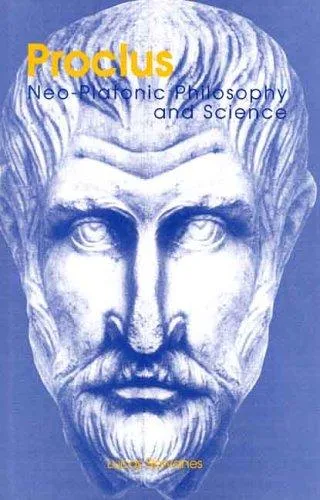
This book by Lucas Siorvanes offers an in-depth study of Proclus, one of the most systematic and influential Neoplatonists. It examines Proclus's intricate metaphysics, his theory of emanation, and his significant contributions to the development of Neoplatonic thought in the 5th century CE, including his concept of the henads as intermediaries between the One and the lower realms.

Neoplatonic saints

Neoplatonic saints

by M. J. Edwards

This book titled "Neoplatonic saints" by M. J. Edwards explores figures within the Neoplatonic tradition who were revered for their spiritual wisdom and ascetic lives. It examines how the ideal of the philosopher-sage in Neoplatonism could sometimes resemble sainthood, highlighting the spiritual and ethical dimensions of the philosophy, particularly in late antiquity.

Al-Fārābi

Al-Fārābi

by Majid Fakhry

This book by Majid Fakhry focuses on "Al-Fārābi," a pivotal Islamic philosopher who integrated Aristotelian and Neoplatonic ideas into his thought. Al-Fārābi's cosmology and theory of emanation were heavily influenced by Neoplatonic principles, particularly the hierarchy of being, demonstrating the significant impact of Neoplatonism on medieval Islamic philosophy.

Mind in nature

Mind in nature

by Maria Teresa Teixeira

Authored by Maria Teresa Teixeira, "Mind in nature" explores the concept of the cosmic mind or Intellect (Nous) as it manifests throughout the natural world, a core Neoplatonic theme. This work likely examines how Neoplatonists viewed the divine intelligence as immanent in creation, providing order and form, as discussed by Plotinus and Proclus.

Neoplatonic Saints

Neoplatonic Saints

by Mark Edwards

Another work titled "Neoplatonic Saints" by Mark Edwards. This likely offers a scholarly examination of individuals within Neoplatonism who were seen as exemplars of spiritual attainment. It could analyze the concept of spiritual authority and the veneration of philosophers like Plotinus or Iamblichus within their respective communities, focusing on their ethical and mystical lives.

Neoplatonism

Neoplatonism

by Pauliina Remes

This volume on "Neoplatonism" by Pauliina Remes provides a modern perspective on the philosophy, often focusing on the self and subjectivity. Remes explores how Neoplatonic thinkers conceived of personal identity and the journey of the soul, offering contemporary insights into ancient texts and their relevance to current philosophical debates.

Neoplatonism

Neoplatonism

by Remes Pauliina Staff

This book, also titled "Neoplatonism" and attributed to Remes Pauliina Staff, is likely another edition or related work by Pauliina Remes. It continues to explore the intricate layers of Neoplatonic philosophy, perhaps with a focus on specific texts or arguments, deepening the understanding of its metaphysical and ethical dimensions.

Neoplatonism

Neoplatonism

by Richard T. Wallis

Authored by Richard T. Wallis, this book titled "Neoplatonism" is a foundational text offering a comprehensive overview of the school. It covers the historical development from Plotinus to later figures, detailing key concepts like the One, Nous, and Soul, and their interrelationships within the Neoplatonic system, published in 1972.

Being Different

Being Different

by Stephen E. Gersh

By Stephen E. Gersh, "Being Different" likely investigates the Neoplatonic concept of alterity or difference within the emanative hierarchy. Gersh is known for his work on medieval Neoplatonism and its influence on Latin philosophical traditions, exploring how distinctions arise from the unified One, a complex metaphysical problem.

The Navarre Bible

The Navarre Bible

by Thomas Finan

While "The Navarre Bible" by Thomas Finan is a biblical commentary, its inclusion in a Neoplatonism collection might suggest an exploration of Neoplatonic influences on early Christian thought and biblical interpretation. Many early Church Fathers, like Augustine, were deeply influenced by Neoplatonism, shaping their understanding of scripture and theology.

Glossary

The One (To Hen)
The ineffable, transcendent, and ultimate source of all existence in Neoplatonic philosophy. It is beyond being and thought, the simple and unified origin from which all reality emanates.
Emanation
The process by which all reality flows or 'radiates' from The One in a hierarchical sequence, diminishing in perfection and unity at each successive stage. It's not a creation but an overflow.
Nous (Intellect)
The first emanation from The One, representing the realm of pure thought and containing the Platonic Forms. It is the divine mind, perfect and unified, yet distinct from The One.
Psyche (Soul)
The second emanation, proceeding from Nous. The Soul mediates between the intelligible world of Nous and the sensible, material world, responsible for life, motion, and individual consciousness.
Henosis
The ultimate goal in Neoplatonism, signifying the mystical union or assimilation of the individual soul with The One. It involves a process of purification, contemplation, and ascent beyond the material realm.

FAQ

What is Neoplatonism?

Neoplatonism is a mystical and philosophical school originating in the 3rd century CE, founded by Plotinus, synthesizing Platonic thought with other ancient philosophies. It posits a hierarchical cosmos emanating from an ineffable 'One' and seeks spiritual ascent to achieve union with it. This philosophy deeply influenced Western esotericism.

How do I start with Neoplatonism?

Begin with introductory texts that provide an overview of Neoplatonism's history and core concepts, like the books titled "Neoplatonism" by Richard T. Wallis or Pauliina Remes. These offer accessible entry points into its complex ideas before diving into primary sources. Understanding the basic hierarchy of The One, Nous, and Soul is a great first step.

What's the best book on Neoplatonism?

For a foundational understanding of Neoplatonism, "Neoplatonism" by Richard T. Wallis is widely regarded as an excellent starting point. For primary texts, Plotinus's "Enneads" is the source, but "Reading Plotinus" by Kevin Corrigan can serve as a valuable guide. The 'best' book often depends on your specific interest within Neoplatonism.

Is Neoplatonism difficult to learn?

Neoplatonism can be challenging due to its abstract metaphysics and complex terminology, but it is certainly learnable. Starting with good introductory texts and gradually progressing to more specialized works, such as those on Proclus, will make the journey rewarding. Patience and a willingness to engage with philosophical concepts are key to understanding Neoplatonism.

Can I download Neoplatonism books for free?

Yes, the Esoteric Library offers a curated collection of free public-domain Neoplatonism books available for download. Our selection includes essential introductory works, scholarly analyses, and historical texts to support your study of Neoplatonism, making this profound philosophy accessible to everyone.

Esoteric Library
Browse Esoteric Library
📚 All 16,000+ Books 🜍 Alchemy & Hermeticism 🔮 Magic & Ritual 🌙 Witchcraft & Paganism Astrology & Cosmology 🃏 Divination & Tarot 📜 Occult Philosophy ✡️ Kabbalah & Jewish Mysticism 🕉️ Mysticism & Contemplation 🕊️ Theosophy & Anthroposophy 🏛️ Freemasonry & Secret Societies 👻 Spiritualism & Afterlife 📖 Sacred Texts & Gnosticism 👁️ Supernatural & Occult Fiction 🧘 Spiritual Development 📚 Esoteric History & Biography
Esoteric Library
📑 Collections 📤 Upload Your Book
Account
🔑 Sign In Create Account
Info
About Esoteric Library