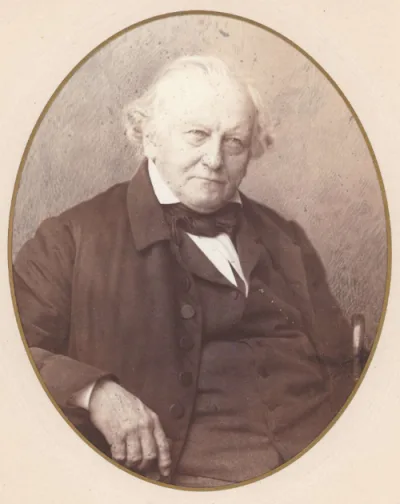
Brian P. Copenhaver
Hermeticism is an ancient tradition based on teachings attributed to Hermes Trismegistus, influencing alchemy, astrology, and Western esotericism.
Hermeticism is a philosophical and religious tradition stemming from teachings attributed to Hermes Trismegistus, a figure blending Greek and Egyptian deities. This system encompasses esoteric knowledge such as alchemy, astrology, and theurgy, significantly impacting various mystical and occult traditions throughout history. The core texts, known as the Hermetica, were produced over many centuries and vary widely in content. A key subset, the 'religio-philosophical' Hermetica, includes the Corpus Hermeticum and the Asclepius, which focus on theology, cosmology, and spiritual practice, often in dialogue form.
Originating in Hellenistic Egypt, Hermeticism developed alongside early Christianity, Gnosticism, and Neoplatonism, sharing an emphasis on esoteric knowledge for salvation and spiritual ascent. The concept of 'ancient theology' (prisca theologia) emerged, suggesting a single, primeval divine wisdom found in various ancient systems. This idea contributed to the notion of a perennial philosophy, where divine truth is present across different traditions. The term 'Hermetic' eventually became associated with ancient Egyptian divine knowledge, particularly in alchemy and magic, a view popularized by later occultists.
Origins and Core Texts
Hermeticism emerged from the syncretic environment of Hellenistic Egypt, centered around the figure of Hermes Trismegistus, a fusion of the Greek god Hermes and the Egyptian god Thoth. This tradition is documented in the Hermetica, a collection of writings composed over many centuries, broadly from 300 BCE to 1200 CE. The most influential philosophical texts include the Corpus Hermeticum (c. 100–300 CE), a series of Greek dialogues exploring divine nature, cosmology, and the soul, and the Asclepius. The Emerald Tablet, a concise alchemical text, is also central, encapsulating the principle of "as above, so below." These philosophical texts are distinct from the 'technical' Hermetica, which deals with practical occult sciences like alchemy and astrology.
Philosophical and Theological Concepts
The religio-philosophical Hermetica explores profound theological and cosmological ideas. God is conceived as 'the All' (to pan), encompassing both the ultimate reality and the creator of all existence. Created things are seen as pre-existing within God. This tradition emphasizes the soul's purification and its relationship with the divine mind (Nous). During the Renaissance, Hermeticism was linked to the concept of 'prisca theologia,' the idea of a single, ancient divine wisdom present in various traditions. This contributed to the development of the perennial philosophy, suggesting a universal divine truth accessible through different paths.
Influence and Transmission
Hermeticism profoundly influenced early Christianity, Gnosticism, and later Western esotericism. Early Church Fathers recognized Hermes Trismegistus as a wise pagan prophet, and Hermetic ideas about emanation resonated with Christian theologians. Its emphasis on esoteric knowledge as salvation and spiritual ascent paralleled Gnostic teachings. The rediscovery and translation of Hermetic texts during the Renaissance, particularly by scholars like Marsilio Ficino, sparked a revival of interest. Thinkers like Giovanni Pico della Mirandola saw Hermeticism as a harmonizing force between classical philosophy, Christianity, and ancient wisdom, contributing to the Renaissance ideal of human potential and knowledge pursuit.
Key Ideas
- Syncretism of Greek and Egyptian deities (Hermes/Thoth)
- Esoteric knowledge (alchemy, astrology, theurgy)
- The Hermetica (philosophical and technical texts)
- Prisca theologia (ancient theology)
- Perennial philosophy (universal divine truth)
- God as 'the All' (to pan)
- Soul purification and spiritual ascent
- Correspondence between macrocosm and microcosm ('as above, so below')
Books by Brian P. Copenhaver
0 free public domain books · Read online or download